

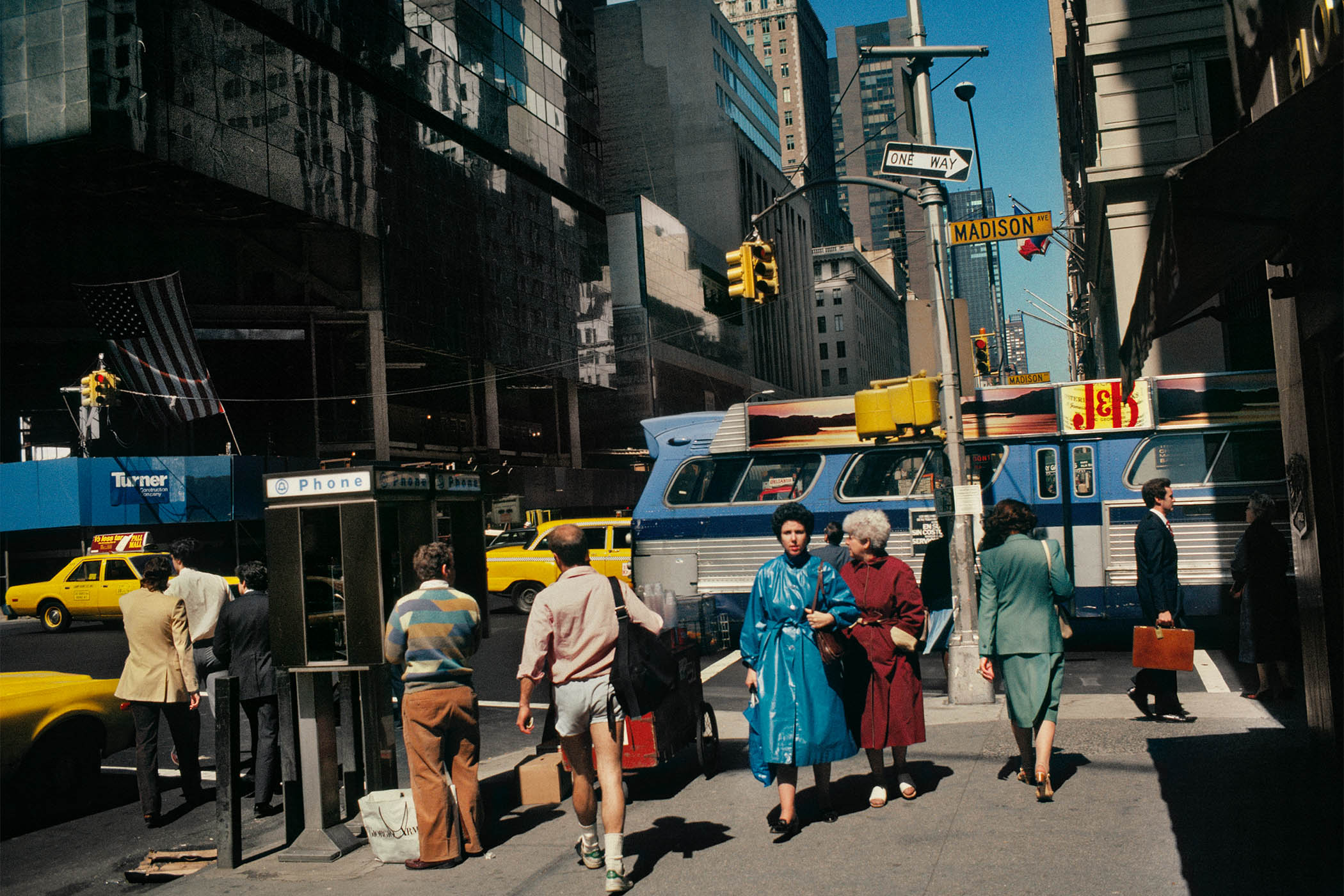
Lee Friedlander has been photographing Christmas in America for more than 70 years. The photographer, now 91, was famous for creating a new visual urban landscape in the 1960s and 70s in which the language of billboards, and the complication of shopfront reflection and often comic street-level juxtapositions all invaded the frame of his pictures. Christmas displays and decorations and have always been, in that sense, the gift that kept on giving.
The pictures on these pages come from a new book that collects the best of this lifetime of festive images. The photographer has rarely given an interview, but he did offer us some brief thoughts on the pictures from his home in New York.
Christmas, he noted, was for him from an early age generally something that happened outside his home, on the road. “My mother died when I was four and a half,” he says, “so Christmas was Dad [taking us] to mother’s sister Mary and my Uncle Vern.”
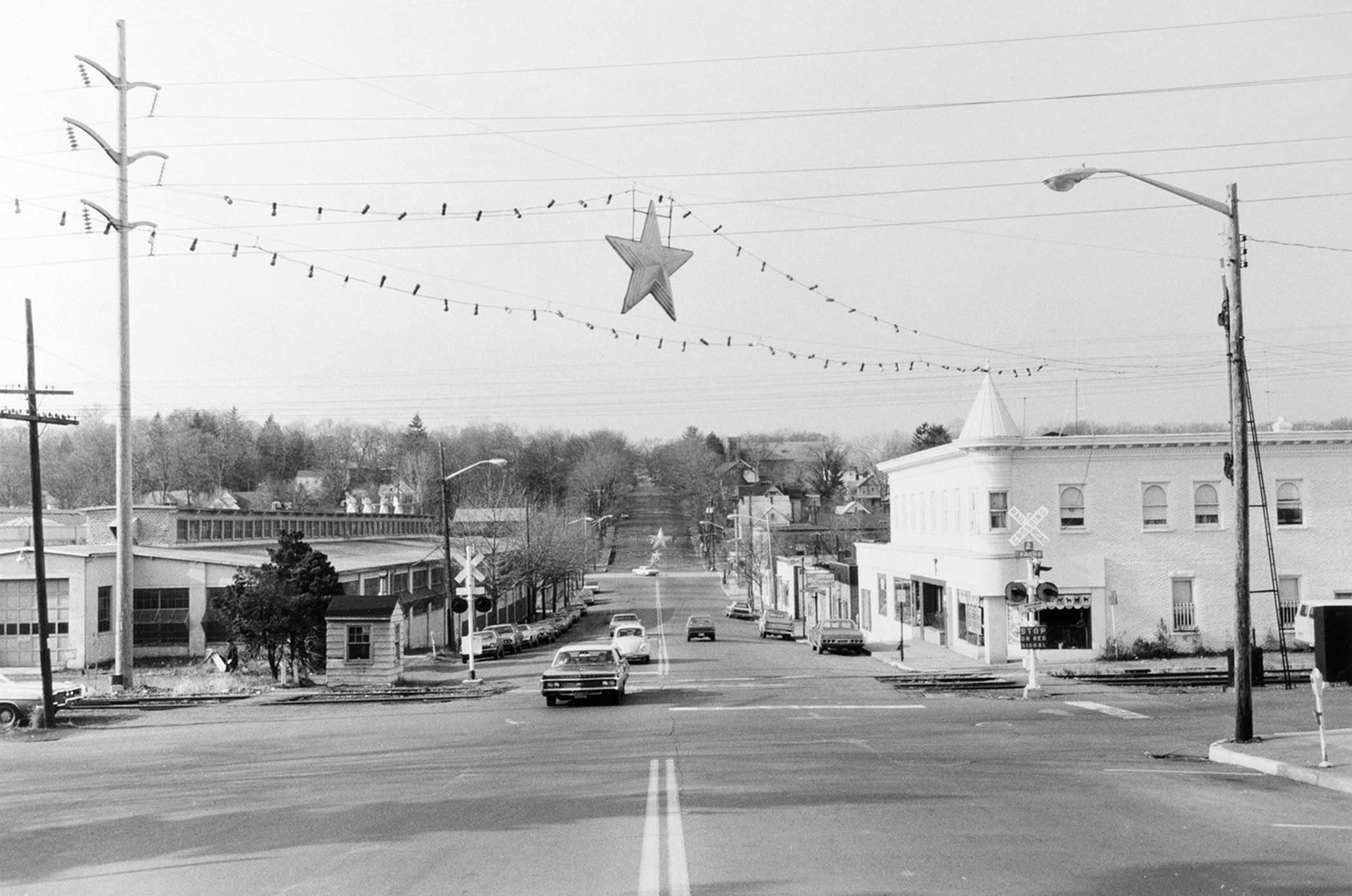
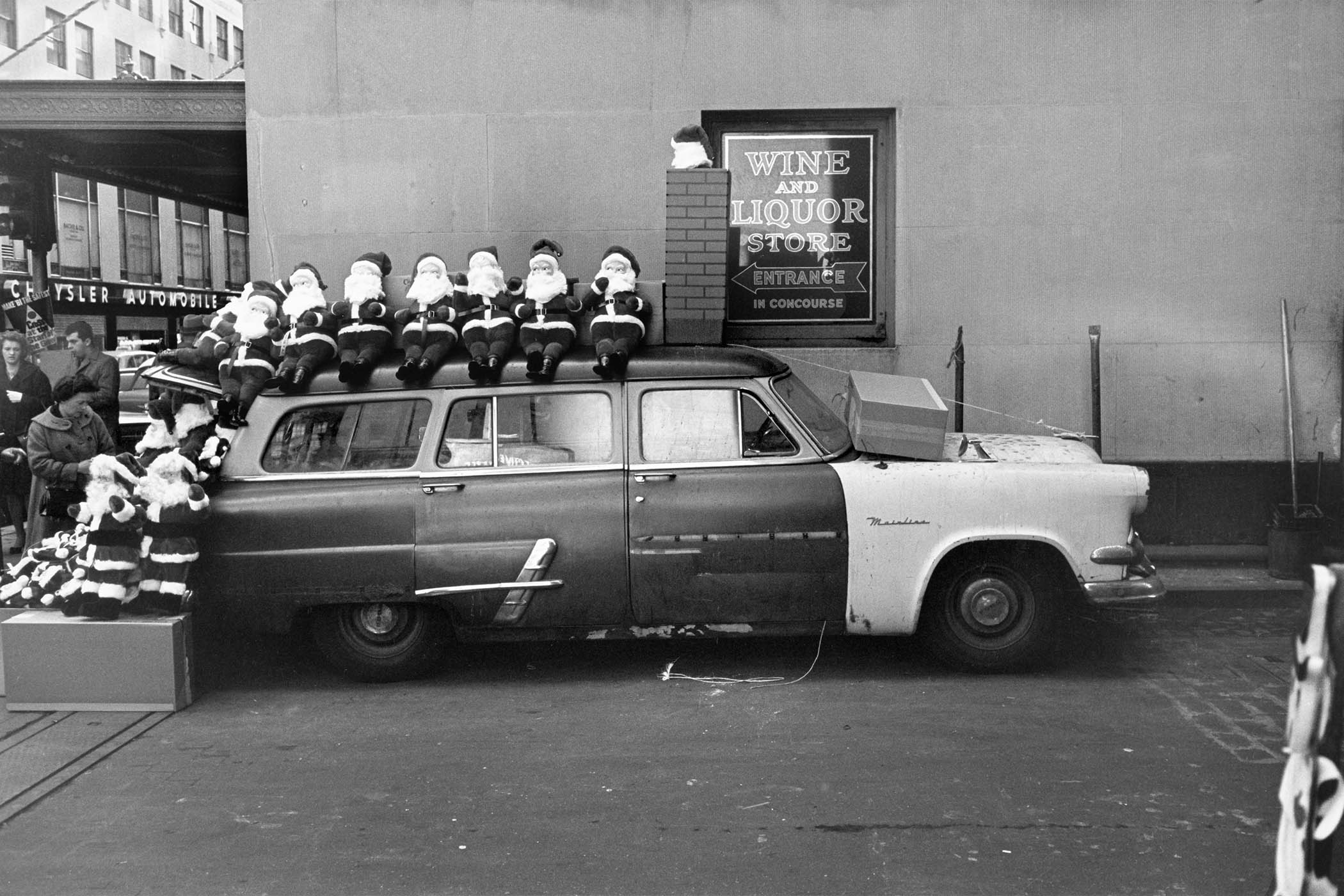
Pearl River, New York, 1975. Main picture: New York City, 1961
It was at those family visits that Friedlander began to discover his “outsider’s eye” for images. In describing the “generosity of the medium of photography”, he once observed how he picked up a camera early on: “I wanted Uncle Vern standing by his new car, a Hudson, on a clear day. I got him and the car. I also got a bit of Aunt Mary’s laundry and Bojack the dog peeing on the fence, and a row of potted tuberous begonias on the porch, and 78 trees and a million pebbles in the driveway and more.”
There’s something of that spirit in these pictures. Stuff gets in the frame, to the point where you start to sense all human life is there. The row of Santas on top of the beat-up car, for example, pose many questions, not least: where are they going? Why are they parked outside a liquor store? Friedlander describes his approach as “just walking until I see something interesting” and “the more jumble, the better I like them”; you can imagine his quiet delight on seeing the house front with the confusion of Father Christmas and “Jesus Loves Ya” signs, covering all yuletide bases; or the sudden strange poignancy of the long shadows of a nativity scene in a snowy front yard.
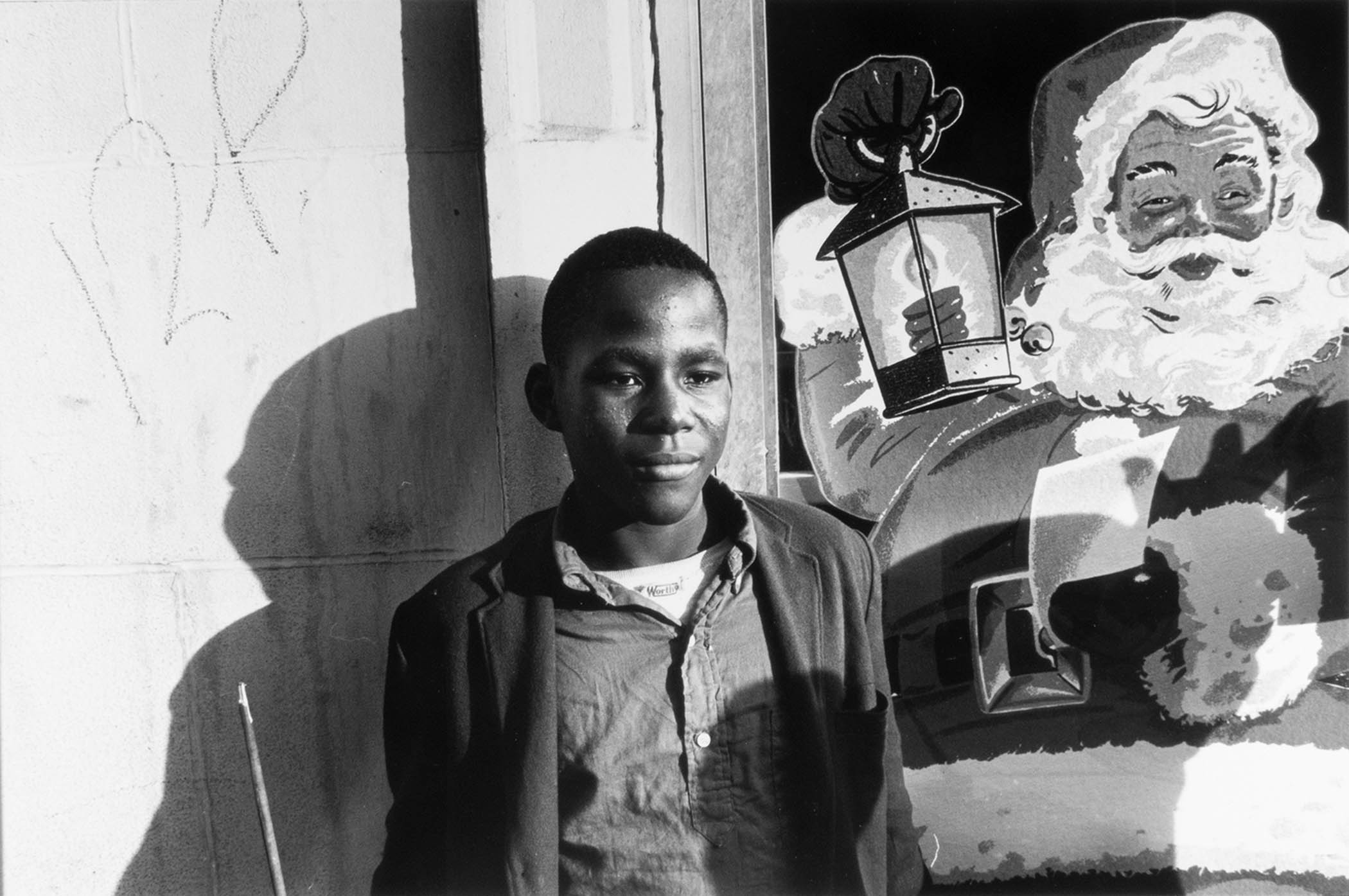
Northeastern United States, 1965
He can’t remember, really, when he thought of Christmas as a distinct subject for his work. But there was something about it arriving earlier and earlier over the years – that American mix of commercialism and desperation and blunt nostalgia: “It was all over the place, and not just in December,” he says, of the 365-days-a-year Christmas shops that began to appear. “You couldn’t avoid it.” His aim, he suggests, has never been to judge, or even to satirise the anomalies of season; only to look: “There are probably nice things and bad things about Christmas, but I don’t – you know, it’s not my place to [decide]; I’m just there to witness it.”
Still, sometimes there are photographic presents from real life. He came across the cover image of this issue of the New Review in a small town called Haverstraw in New York state. It was the usual thing, he suggests; he was driving, he saw it, and he immediately braked and reached for his camera. “It is a great Santa,” he says of the deflating figure at the roadside, breathing its last ho, ho, ho. As soon as he thought of a Christmas book, he knew straight away it would be the last picture in it. “I went back to see if they picked [the Santa] up two weeks later,” he recalls, “[and] it was still laying there. It’s a little town here. You think somebody would be interested in picking it up, don’t you?”
Friedlander is out and about a little less these days, he says, but he hasn’t lost his appetite for looking. On good days, he suggests, it still feels like “life is ice cream and I’ve got a spoon”.
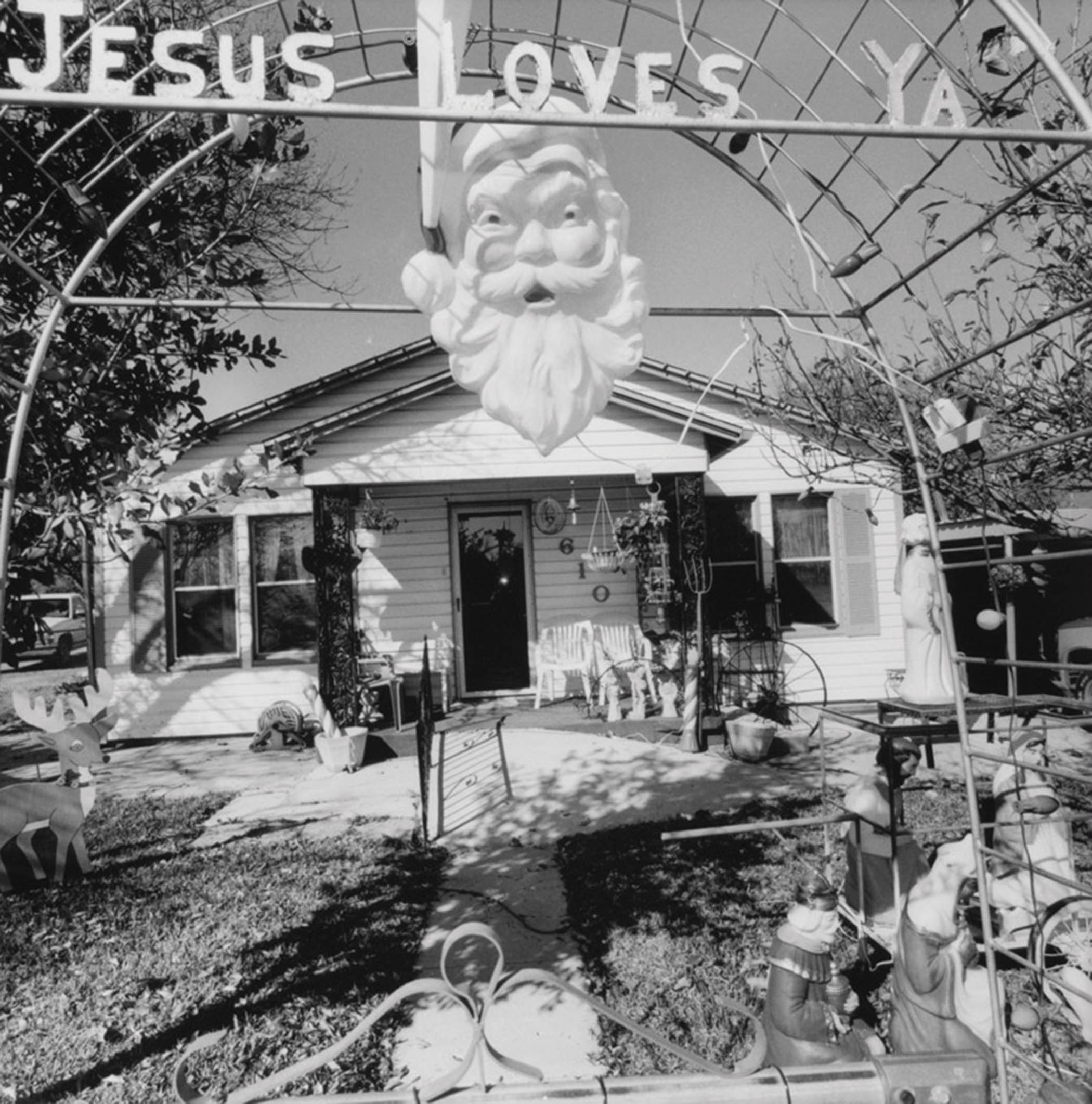
San Angelo, Texas, 1997
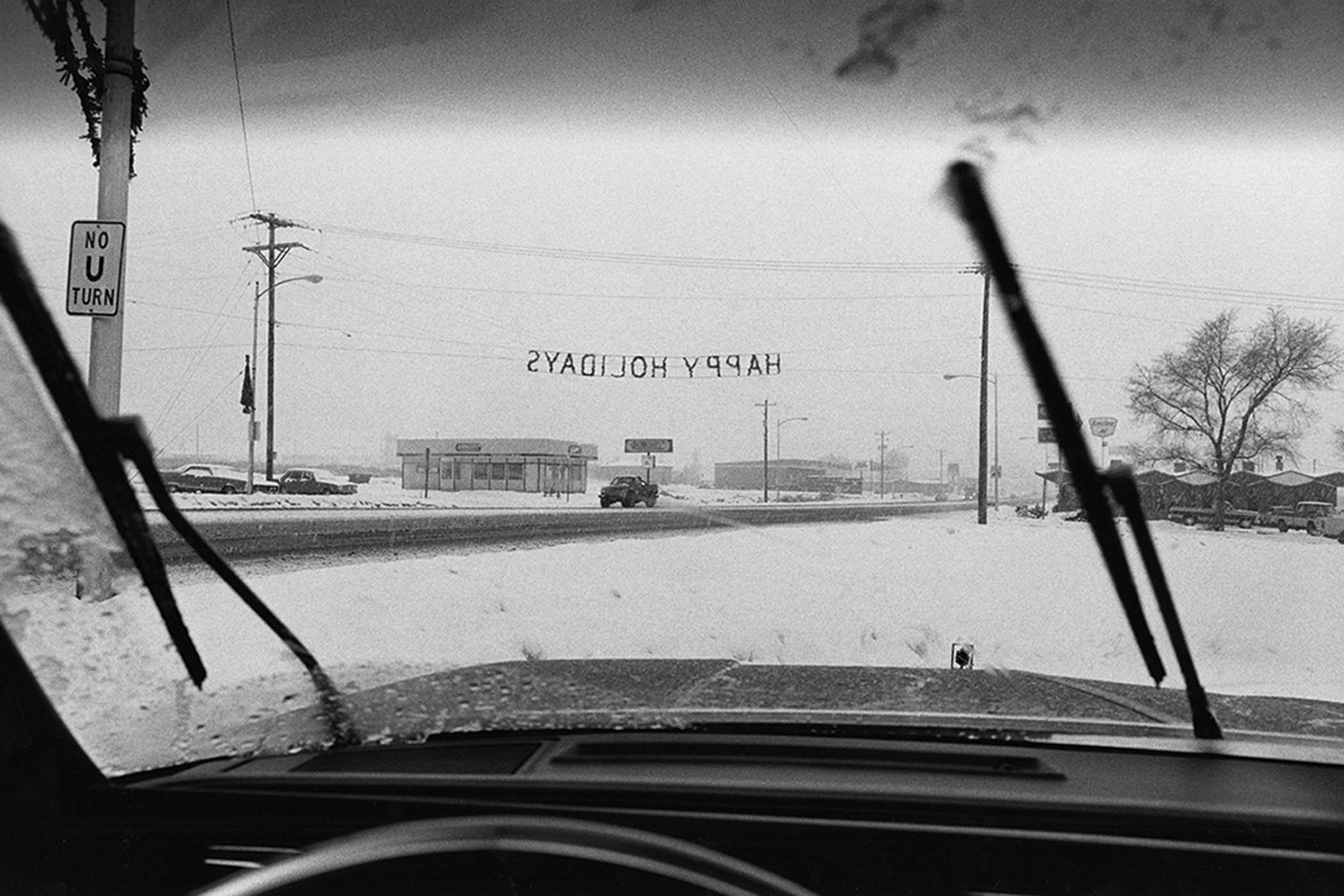
Utah, 1988
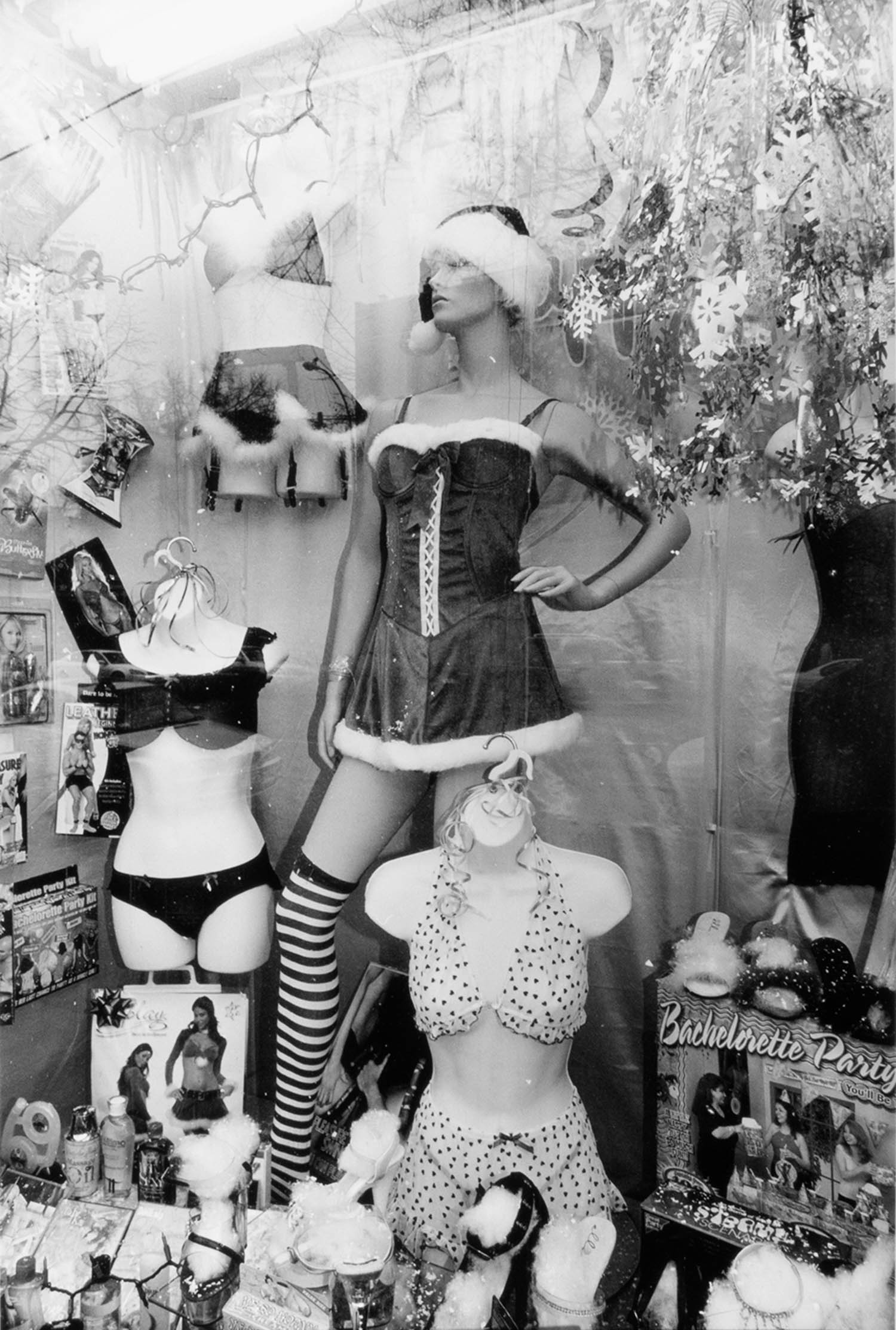
New York City, 2010
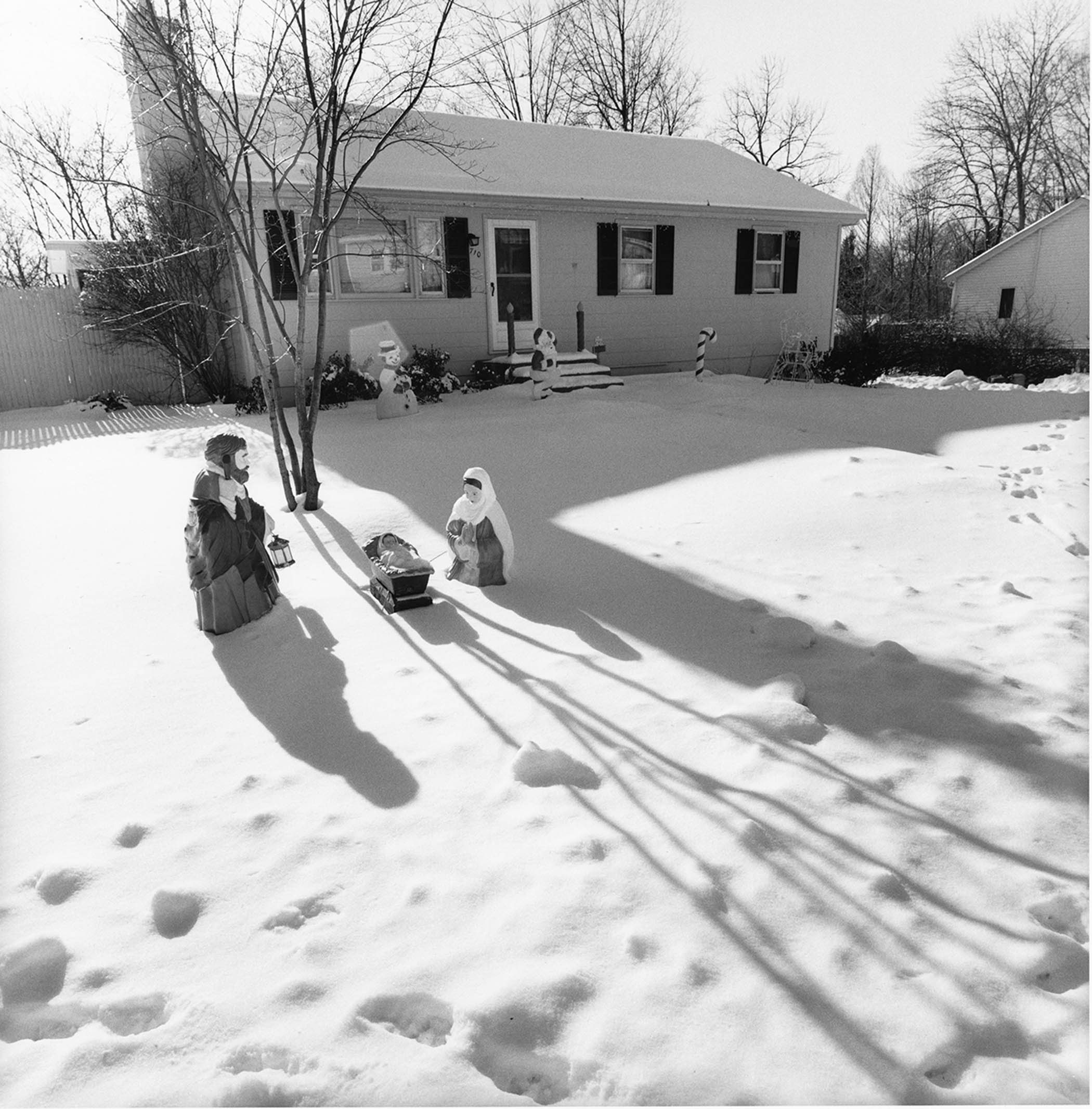
New City, New York, 2003

New Orleans, Louisiana, 1966
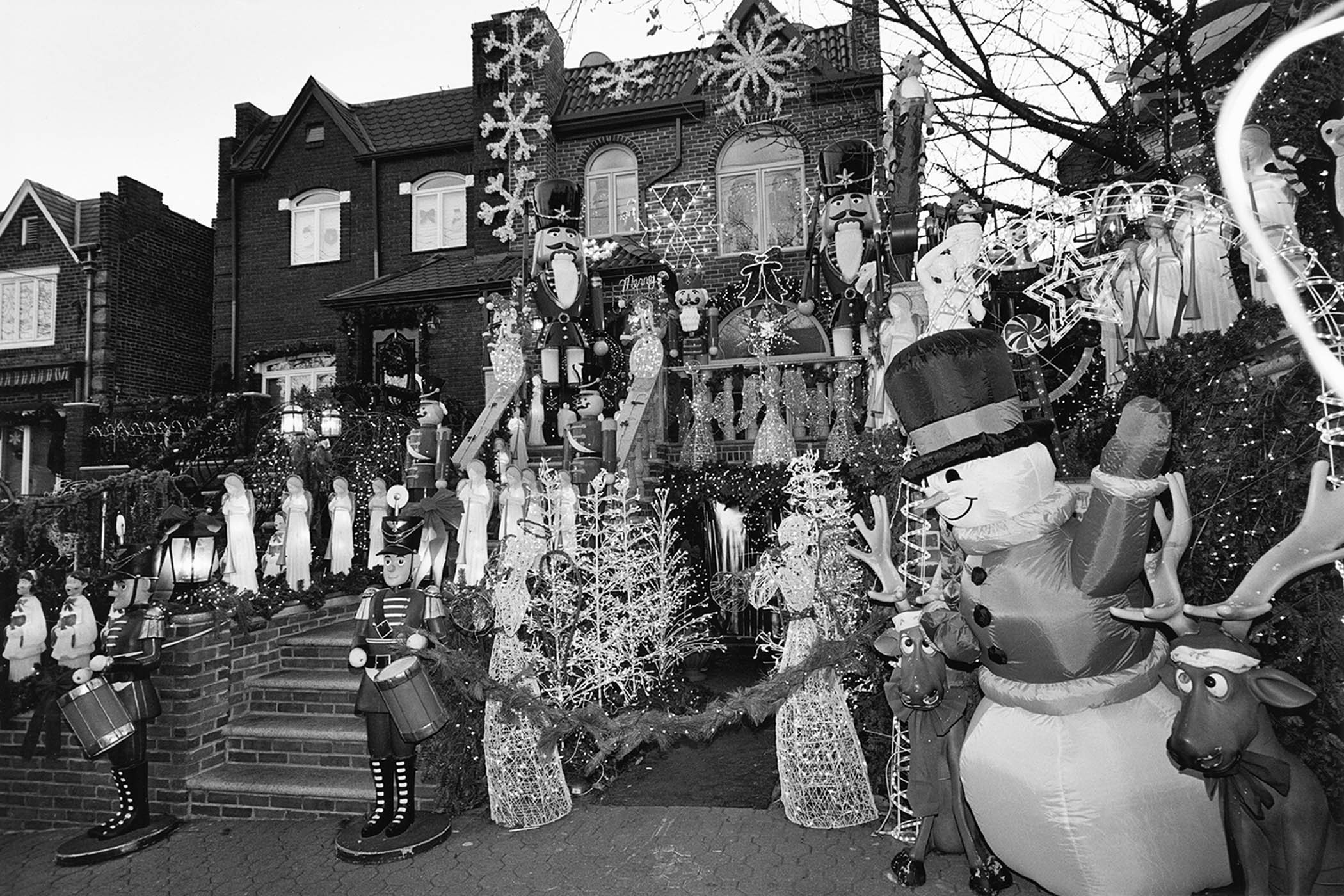
Brooklyn, New York, 2010
Lee Friedlander: Christmas is published by Eakins Press Foundation (£56)
Newsletters
Choose the newsletters you want to receive
View more
For information about how The Observer protects your data, read our Privacy Policy