
Photography by Joy Saha
Floods can bring disaster, but they can bring prosperity too. For people who live in waterlogged parts of the Earth, whether in the fens of eastern England or the bayous of southern Louisiana, an excess of water has always been both blessing and curse – sometimes inundating homes and taking lives, and at other times creating an ideal habitat for hunting and trade, rich in waterfowl and lush with grass.
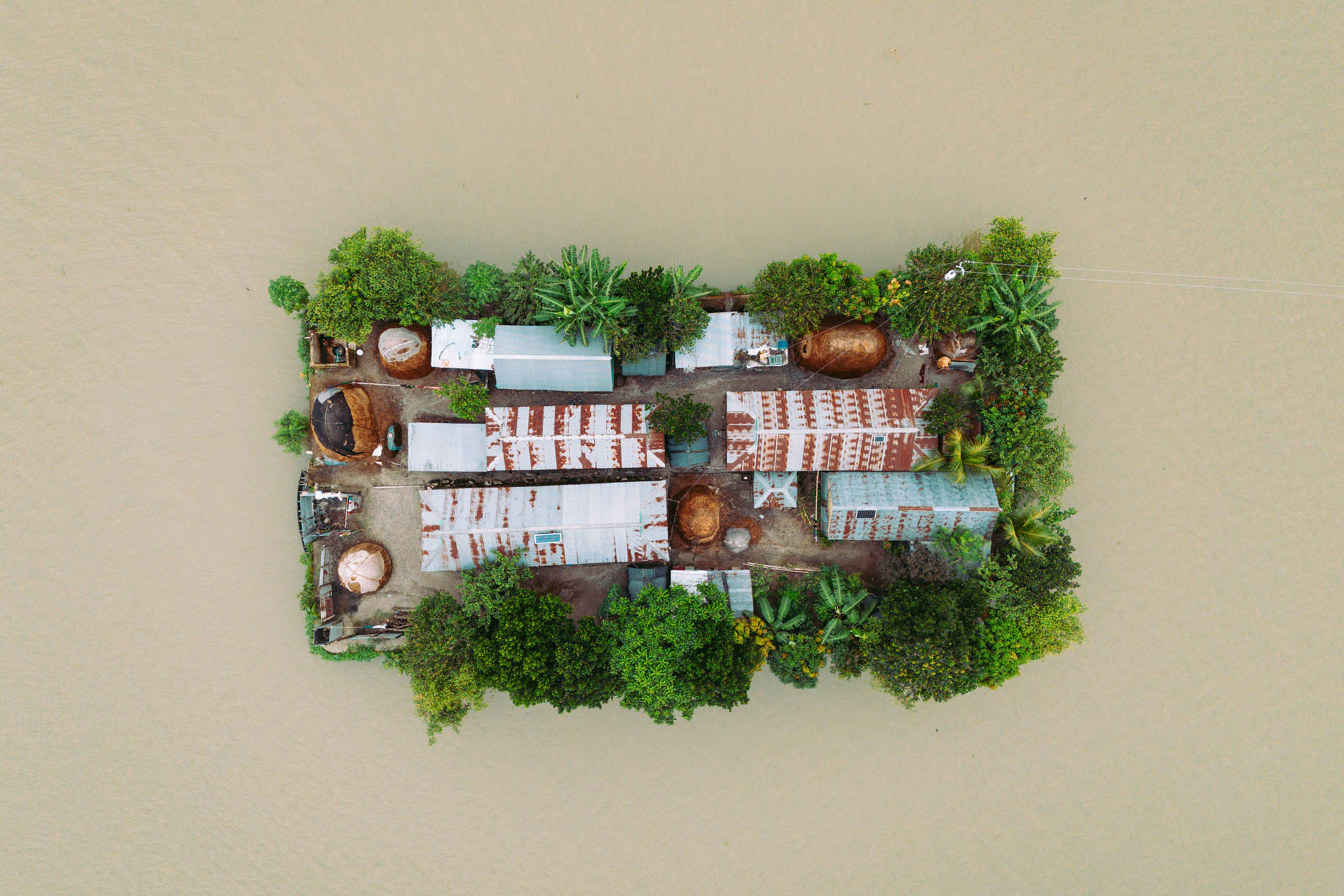
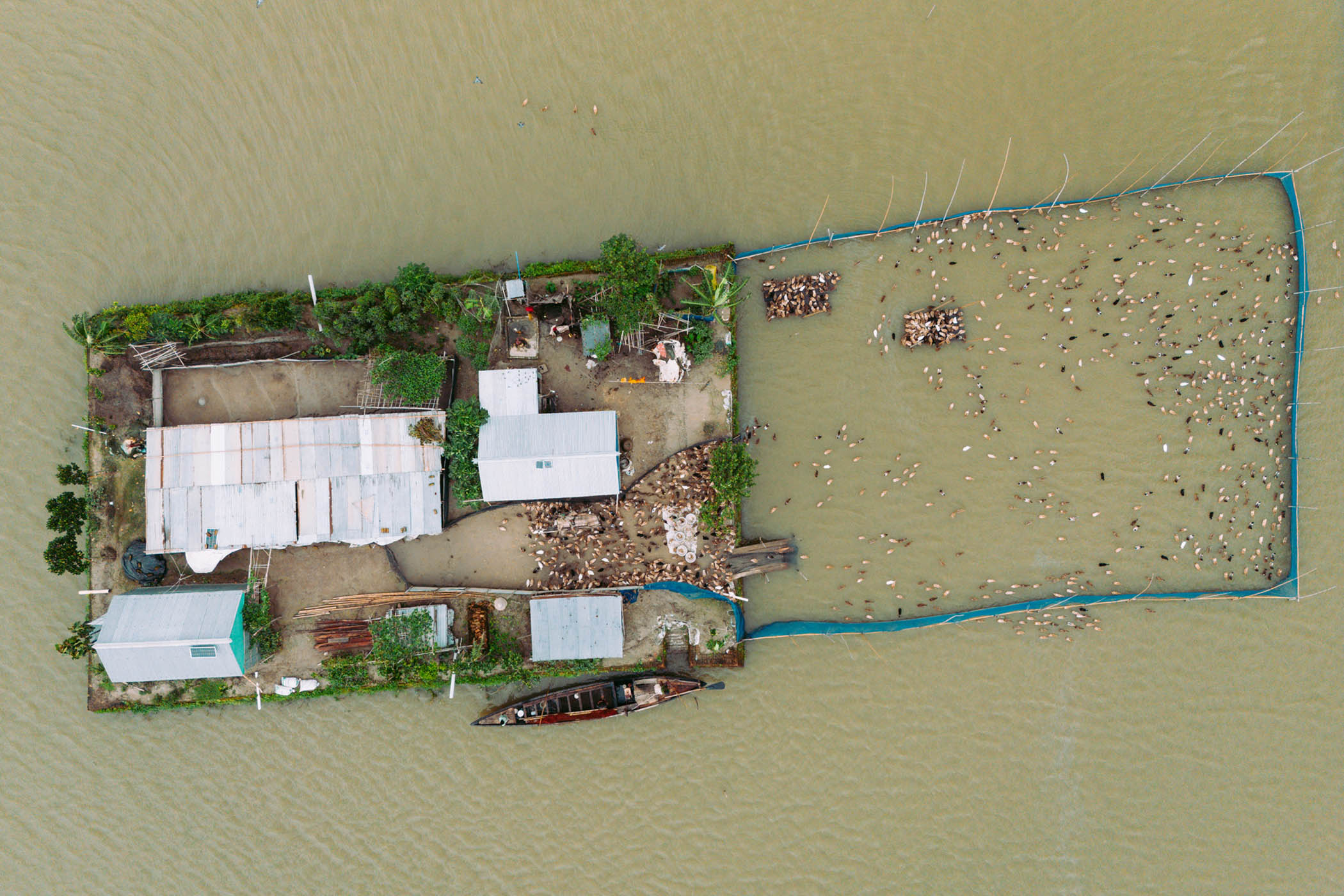
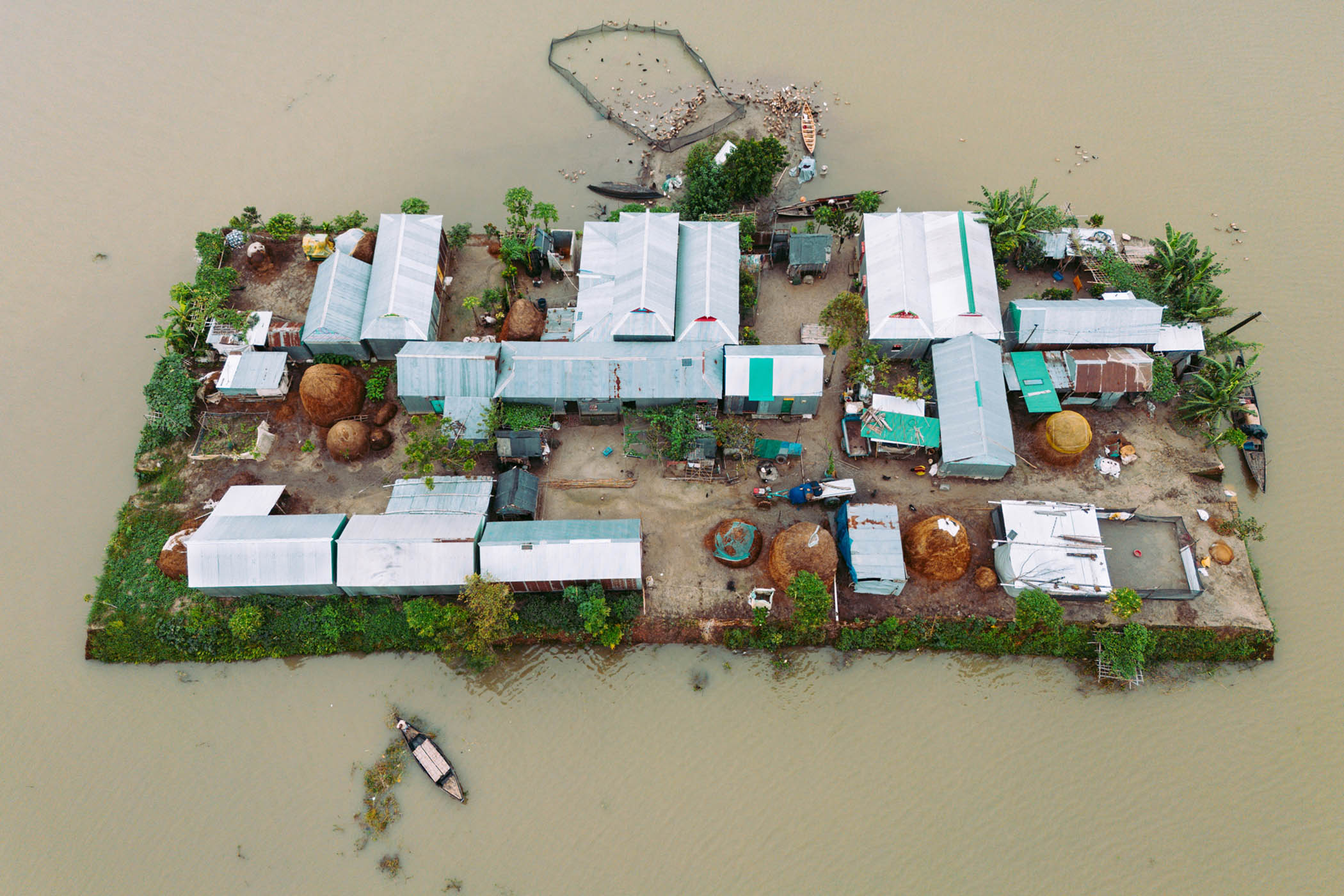
People in the haor wetlands of north-eastern Bangladesh have lived with floods for centuries. When the water retreats, it leaves behind rich grazing land for cattle and buffaloes. Rice is grown and harvested in the dry season. When the water rises again, submerging the low-lying terrain, it creates breeding grounds for fish. Over generations, they have built earth mounds for their homes and smallholdings that rise above this floodplain. The sides of these mounds, vulnerable to wave erosion in floods, are bound by planting a wetland grass.
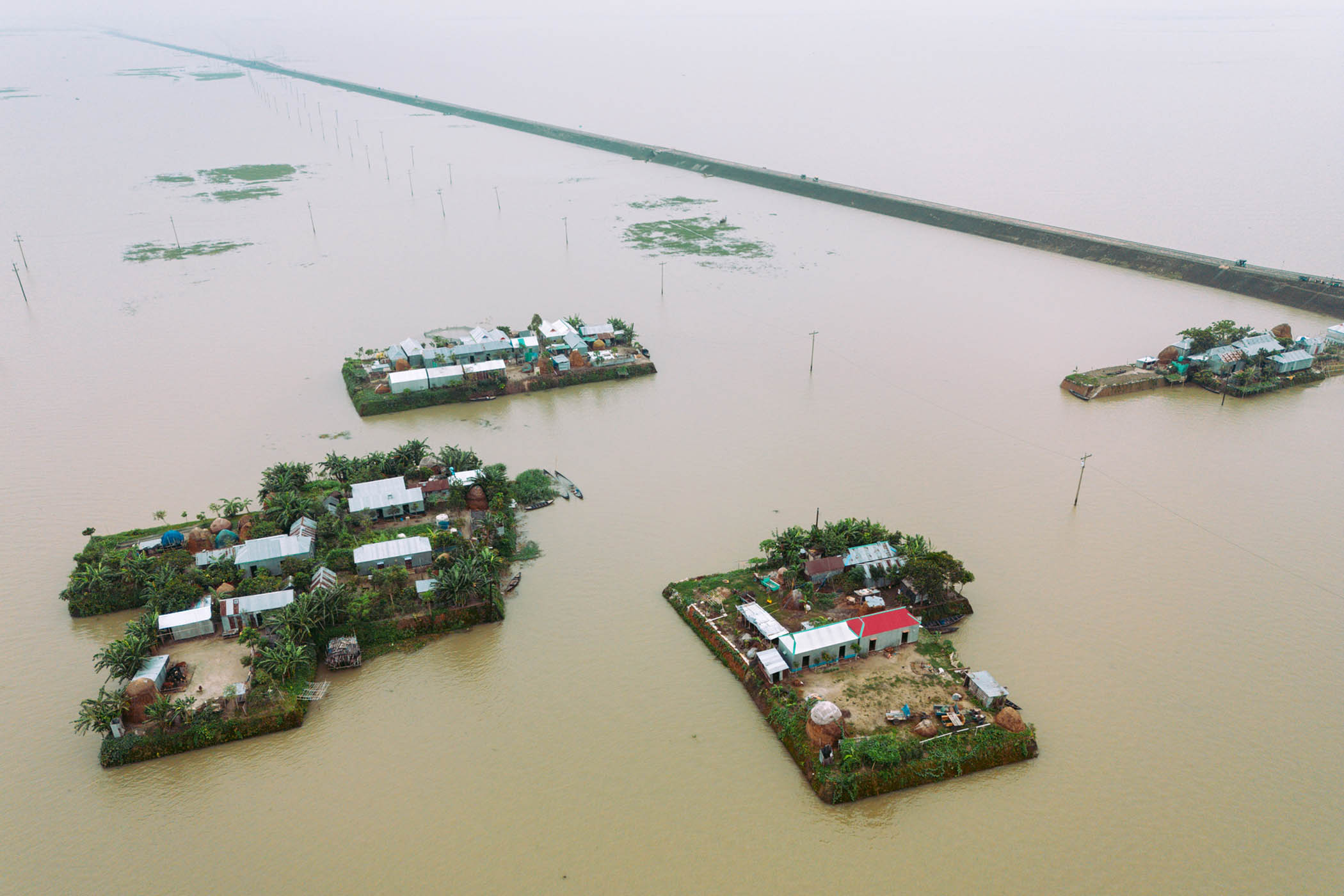
Joy Saha’s photographs from Ashtagram in the Kishoreganj district of Bangladesh – which this week won the Sony world photography award – show everyday life in this water world. Men navigate the flooded terrain in narrow wooden skiffs, their chequered sarongs ideal for hopping out and wading in the shallows. Clusters of huts, their rectangular iron roofs in various stages of rusting, perch on earth mounds marooned in expanses of brown water. People and cattle share these spots of dry land. Saha’s pictures were taken in 2025, a year when extreme rainfall brought heavy flooding to north-eastern Bangladesh.
A combination of the climate crisis and human interference with nature is tipping the balance of life in these wetlands. Flash floods triggered by intense rainfall have arrived before the monsoon, ruining the precious rice crop and killing fish. Deforestation has stripped away the natural flood protection afforded by trees, which slow down and absorb floodwater. This is a familiar story elsewhere in the world and perhaps as old as humanity. The Epic of Gilgamesh is the world’s oldest recorded flood myth. Less well known is the episode of environmental destruction that precedes the flood, when Gilgamesh and his companion slay Humbaba, the guardian of the forest and lay waste to his cedar wood.
Politics confounds things too. Bangladesh’s flood forecasting and warning centre has raised concerns about receiving insufficient data from neighbouring India, the source of the water that flows out to the Bay of Bengal. This limits the ability of Bangladesh’s authorities to give timely flood warnings. Ruined harvests and fewer fish to catch mean men migrate to cities to look for seasonal labour.
“I wanted to show the world the reality of their living,” Saha said. “How hard it is for them to live, but they go on living in these places. I wanted to show their strength.”
His photography showcases the resilience of wetland architecture. Without houses built on raised land, both people and livelihoods would be washed away. “The people living there are very familiar with this method of living,” he said. “During the seasonal flooding, they have nothing to grow, so they rear ducks and sell eggs to get an income. They arrange boat rides for tourists also.”
Floods in Bangladesh are becoming more frequent, and the sediment left behind – rock and earth washed down from hillsides and settling in the wetlands – means the water level rises higher the next time it floods. The people who live here must keep raising the level of their homesteads to keep their feet dry.
Their choices – whether to keep adapting or retreat in the face of the water – are a microcosm of the larger ones facing Bangladesh, a nation bearing witness to the future of the climate crisis and facing multiple challenges, from protecting homes and economic security to finding clean drinking water. Saha said: “Every year, we have floods. Climate disaster is not a new thing to people in my country.”
Wetlands can be difficult places to live, but that difficulty is sometimes part of the attraction. The Water Margin, a 14th-century Chinese novel, tells the story of noble outlaws who hide in marshland to do battle with a corrupt government. Like mountain people, swamp-dwellers are hard to subdue, resistant to authority. If human life becomes impossible in places such as the haor wetlands, we will have lost more than a connection to nature. Some of our freedom will have been lost too.
Joy Saha is the winner of the architecture & design category, Sony world photography awards 2026. The promo code OBSERVER15 can be used to redeem a 15% discount on tickets to the exhibition at Somerset House, which runs until 4 May. worldphoto.org