
Treacherous things, “look forward” pieces. They start as hopes but begin to sound like Madame Sosostris predictions. Which all too easily go wrong: a sterling playwright falls short; a tremendous actor has a wan day; a director misses the mark. Most important, there is no foreseeing the new strikes in writing, design and performance that truly make a year distinctive. I would not have guessed that in 1998 I would be knocked out by puppets enacting grisly cautionary tales in Leeds (Shockheaded Peter) and in 2001 by a junk opera at Battersea Arts (Jerry Springer: The Opera) – or that 20 years ago a disused factory near the Oval would expand the idea of what a show could be when it put on Punchdrunk’s The Firebird Ball. It is the unimaginable that matters.
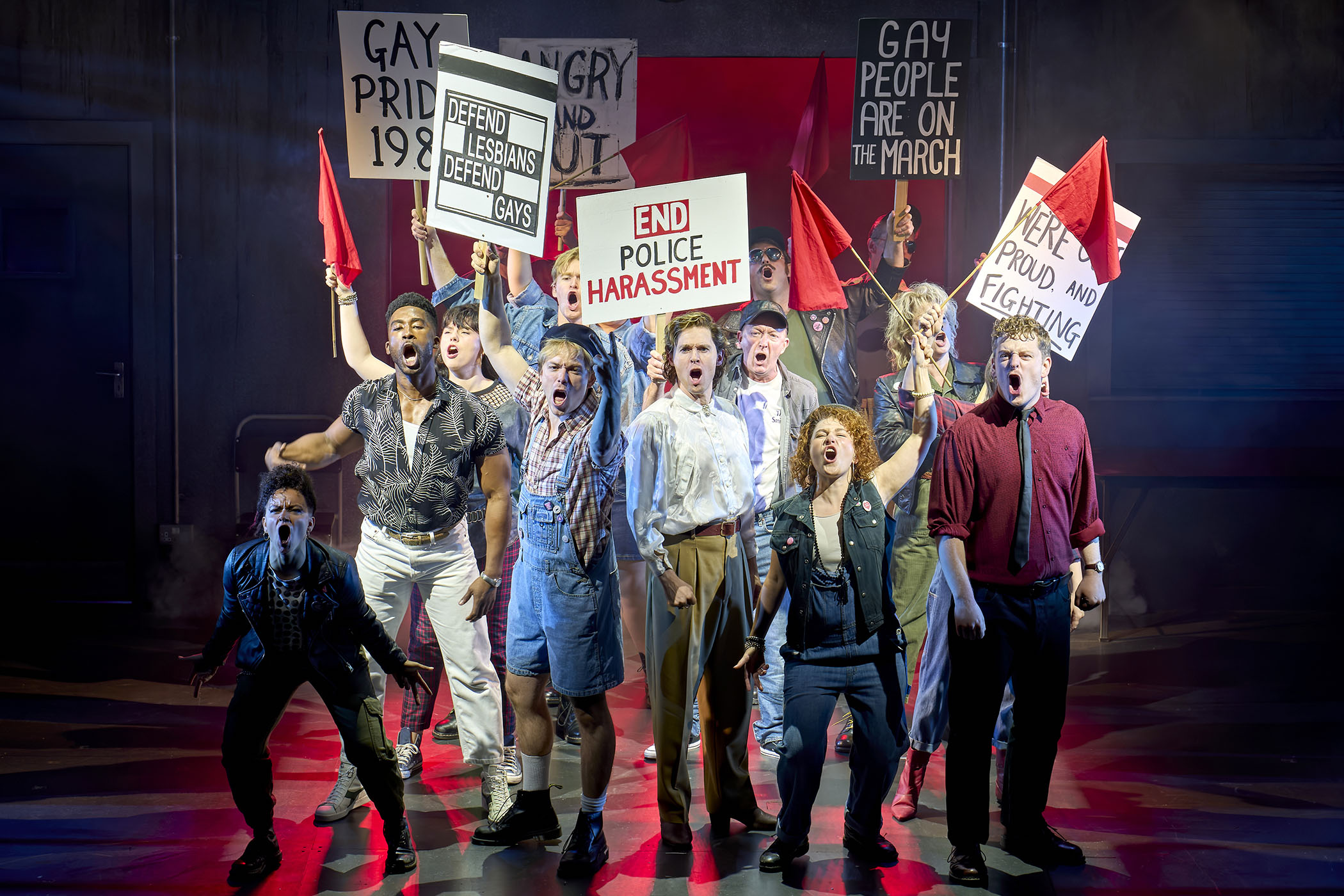
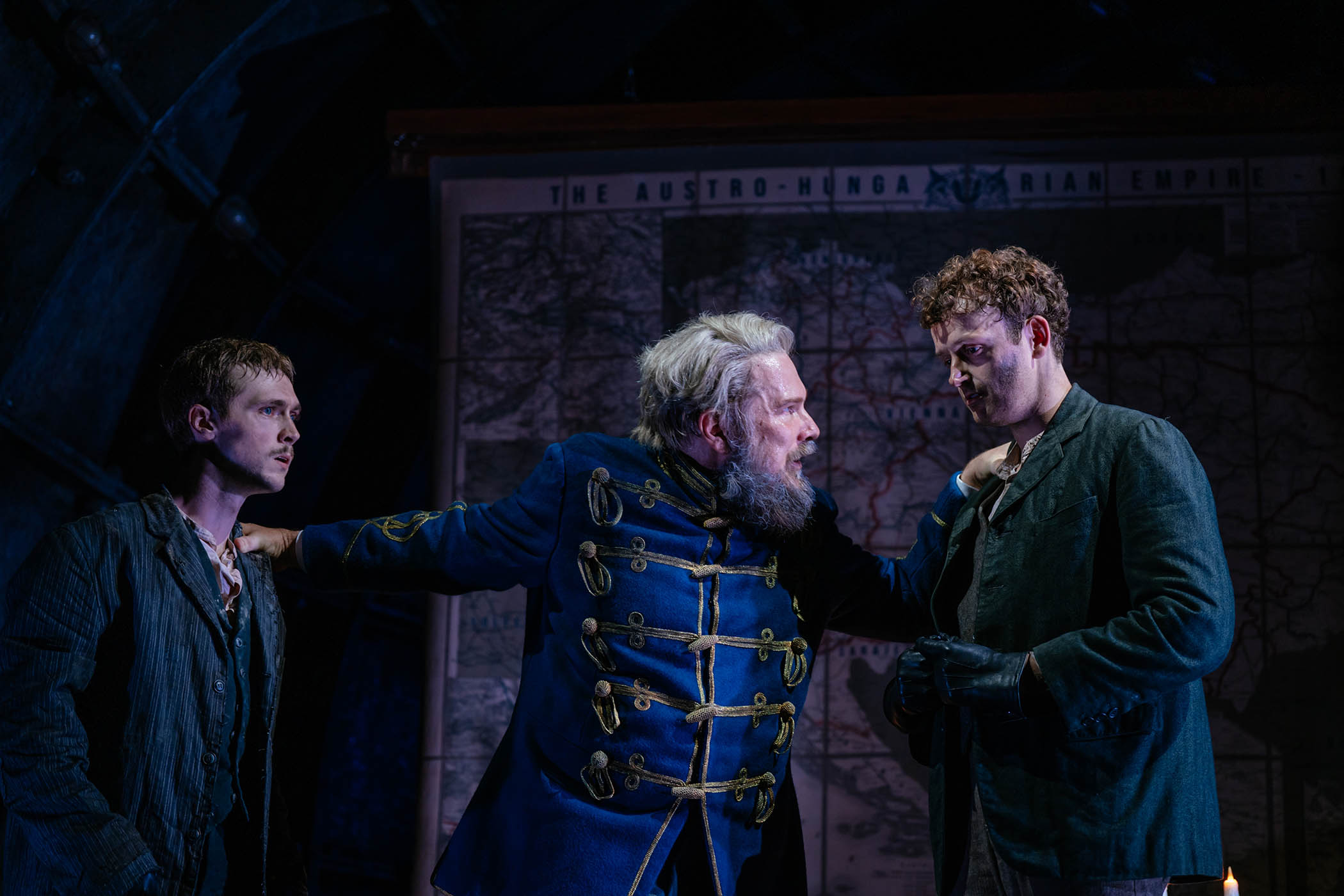
Nevertheless: here goes. There are some hopeful signs for 2026. The year is, so far, not overladen with movie adaptations and is free of Hollywood actors sucking attention from homegrown performers: last year hardly anyone apart from Susan Sarandon was worth importing. New work and new productions look promising. At the Young Vic in February, Arthur Miller’s rarely produced Broken Glass will be directed by Jordan Fein, currently making the Bridge sing with Into the Woods; starting in May, Alexander Zeldin, writer of The Inequalities, an intense trilogy about life under austerity, stages his own new play, Care, at the same theatre. Rajiv Joseph’s Archduke, focusing on the men who assassinated Franz Ferdinand, will be directed by Lyndsey Turner at the Royal Court in June.
The schedules have an exhilarating feminist tinge. Romola Garai follows her success in one of the most innovative of recent productions, The Years, by taking on the celebrated door-slammer Nora in Ibsen’s A Doll’s House. Joe Hill-Gibbins directs her in a new version by Anya Reiss opening at the Almeida in March.

Pearl Chanda and Eli Gelbin will star in Arthur Miller’s Broken Glass at the Young Vic. Main image: Tilda Swinton reprises her 1980s role in Manfred Karge’s one-woman play Man to Man
Ten years after her death, the glorious creator of Acorn Antiques will have a stage bearing her name when the former Old Laundry theatre in Bowness-on-Windermere becomes the Victoria Wood theatre in January. It is still rare to have a woman’s name on a building, though Radio 4 listeners may remember that the fictional secondary school in Jonathan Hall’s comedy Trust has both a Victoria Wood and a Caroline Aherne meeting room. In May the renamed theatre will produce Fourteen Again, a musical by Tom MacRae, based on Wood’s songs. MacRae, the writer and lyricist of Everybody’s Talking About Jamie, started with The Ballad of Barry and Freda (Let’s Do It) but found his plans for comedy brought up short by the song Litter Bin. He has now found a way of including both numbers, showing Wood’s elastic range, from a teenage mother who abandons her baby in a multistorey car park to Freda’s lusty demands: “Don’t starve a girl of a palaver/ Dangle from the wardrobe in your balaclava.”
In May a high-voltage adaptation of a novel will be staged at the Arcola. Samantha Harvey, who won the 2024 Booker prize for her space-based fiction Orbital, has written a stage version of Barbara Pym’s 1977 Quartet in Autumn, which will be directed by Dominic Dromgoole. It is, on the face of it, an improbable conjunction. Harvey wrote her novel while watching a live stream of Earth from the International Space Station; Pym trained her eyes on office workers, curates and – what could be more limited than this, thought London publishers who started to turn down her fiction – singleton women. Actually, Pym’s humour drilled deep and sceptically: the heart work is substantial. In 1977 her flagging reputation soared when she was declared by Philip Larkin and David Cecil to be the most underrated of writers.
Five years before she gender-twisted in the film Orlando in 1992, Tilda Swinton appeared at the Traverse in Edinburgh as a woman pretending to be her husband. This September she will reprise the role as part of the Royal Court’s 70th anniversary season. Manfred Karge’s Man to Man was inspired by the true story of a woman in Weimar Germany who, after her husband died, adopted his identity to ensure her living. She cut her hair, wore his clothes and carried out his job as a crane driver for decades. Swinton will be directed, as before, by Stephen Unwin; the translation is by Anthony Vivis, design by Bunny Christie. The solo show is already sold out but there is a waiting list for returns, and further chances to see the tour de force when it moves to Berlin and New York.
Photographs by Guy J Sanders/Felicity McCabe
Newsletters
Choose the newsletters you want to receive
View more
For information about how The Observer protects your data, read our Privacy Policy