During the interval at an Olivier awards ceremony a few years back, an unassuming redheaded woman in a comfortable skirt suit could be spotted behind the swishing evening gowns and clinking champagne glasses. She was taking a break in a corner before returning to her microphone, hidden in the wings, for her backstage role as announcer, reading out the names of those going on and off the stage.
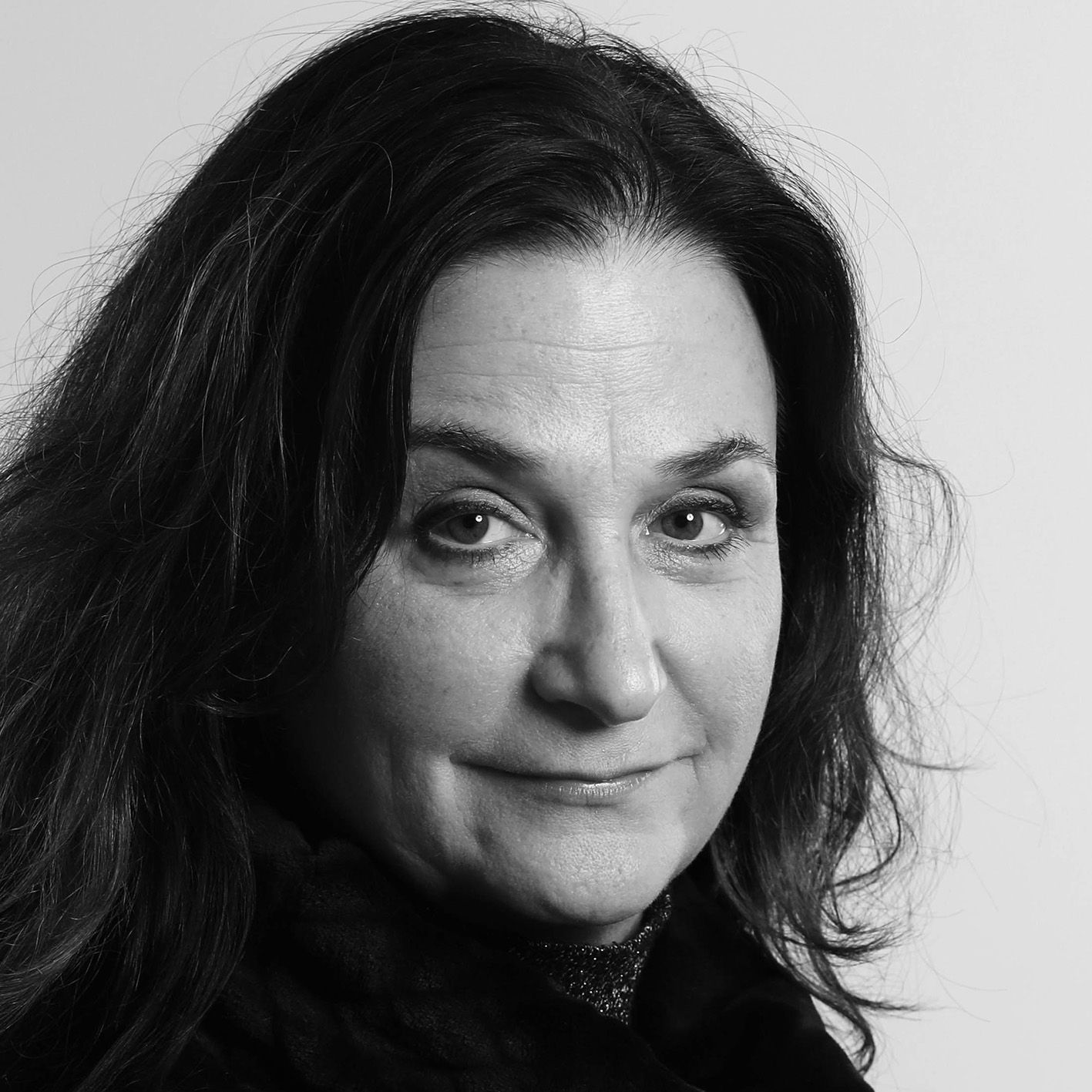
To any guest who looked carefully, she would have been recognisable as one of television’s most successful incarnations of Miss Marple; to keen theatregoers, she was the award-winning Julia McKenzie. The Oliviers were in full swing around her, and the bevy of nominated stars, authors and backstage bosses, each dressed up in their glittering best for the evening, were all that mattered. This was not McKenzie’s night in the spotlight: the gleaming spectacle of theatre relies on the talents of people who are not visible on stage.
This spring, the Olivier awards with Cunard will be an especially golden production. The Oliviers, in partnership with The Observer, are this year celebrating their 50th anniversary. The ceremony will be staged at the Royal Albert Hall on Sunday 12 April, and a highlights package will be broadcast that same night in a primetime slot on the BBC – the first time the broadcaster has televised the ceremony in more than 20 years. Preparations to mark the occasion – five decades on from the first event, held on a small scale in Piccadilly’s Café de Paris – are now well under way.
At last year’s ceremony, the stars of the night included Romola Garai – unusually nominated twice as best supporting actress – and the American actor John Lithgow, who won best actor for appearing alongside her as Roald Dahl in Mark Rosenblatt’s play Giant. Garai secured the top prize for her role in the French feminist drama The Years.
Janie Dee, a best actress winner in 2000, helped present the show in 2019, singing on stage at the Royal Albert Hall with compere Jason Manford. She spoke to The Observer before the 50th anniversary show. “The Oliviers are a great way of celebrating theatre and all those performances that have shone in particular,” said Dee, now appearing in Noël Coward’s Fallen Angels at the Menier Chocolate Factory in south London. She salutes the glamour of the awards night, but said she sees them ideally as a tribute to more than just the names at the top of the bill.
“Things like musical direction should be highlighted, and also stage management. When these jobs are done really well, it can make a show. It is not just down to the actors, producers and directors. It is a whole load of brilliant technicians and musicians who play a much larger role than they are given public credit for.”
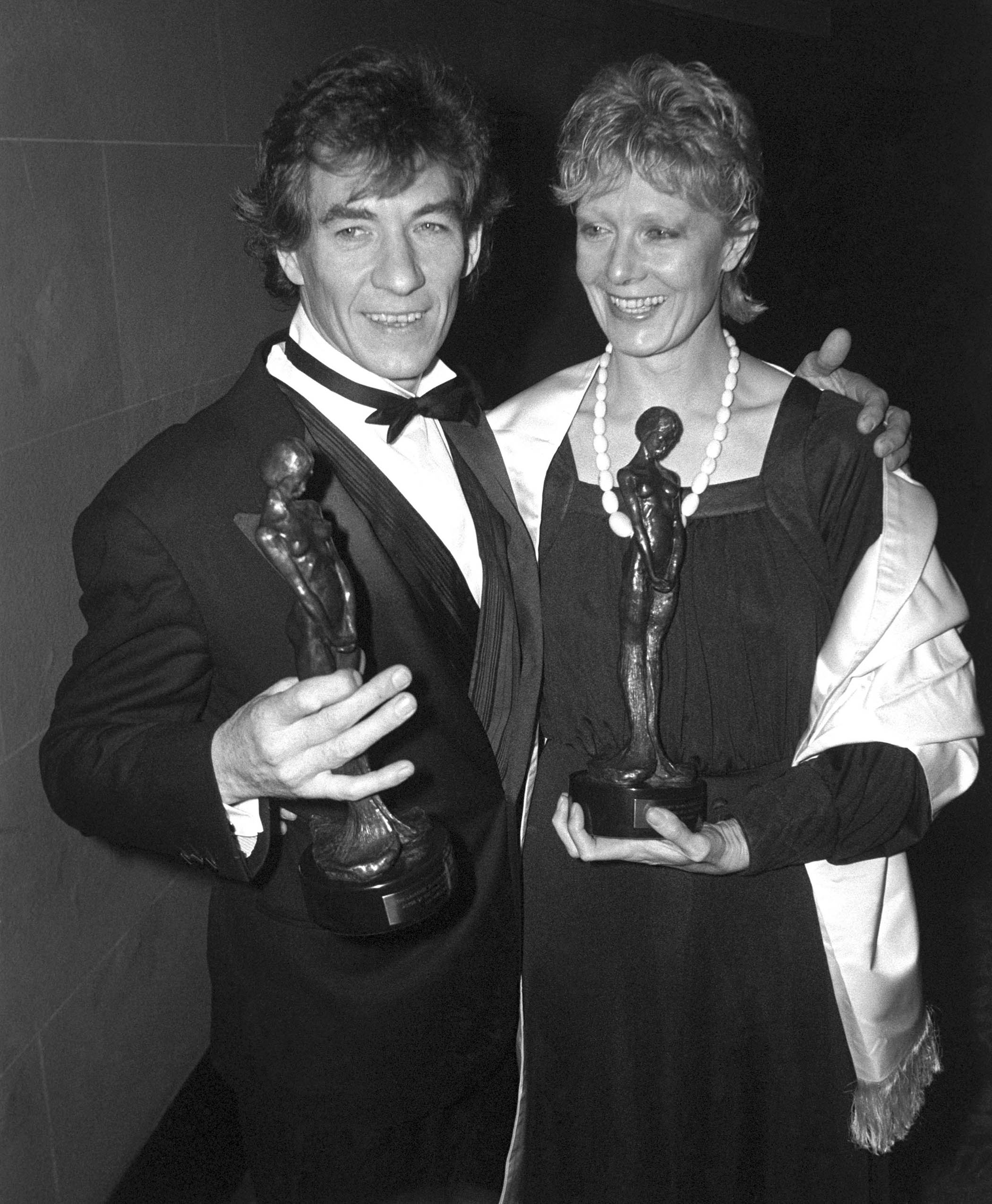
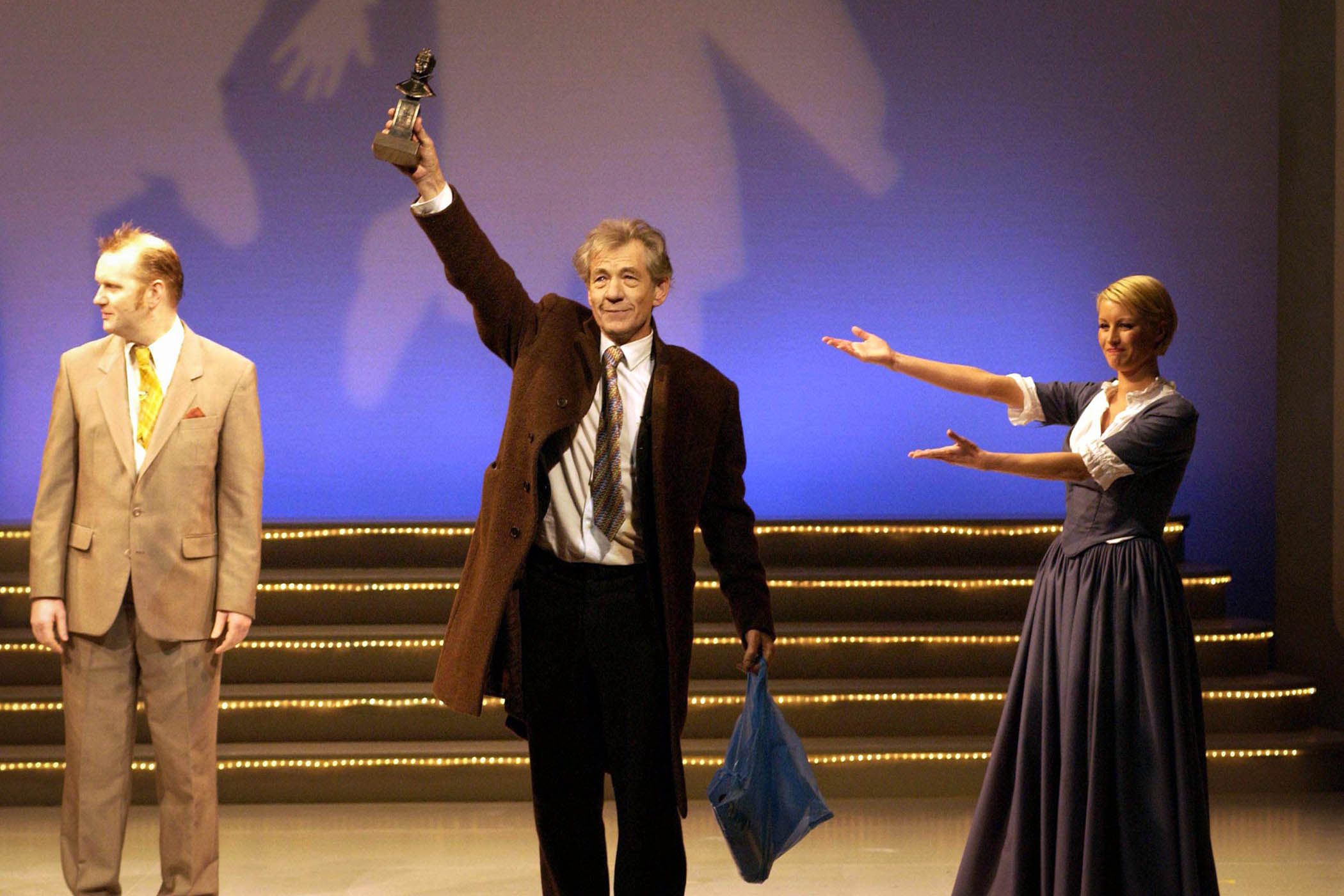
Ian McKellen – the only actor to have received two special awards – at the Oliviers with Vanessa Redgrave in 1984
From 1976 until 1984, the awards were known – unappealingly, if accurately – as the SWET Awards, because they were run by the Society of West End Theatre, now the Society of London Theatre. They were renamed the Laurence Olivier awards after the great stage and screen actor and first director of the National Theatre. The original award trophy, a blue and white Wedgwood urn, was replaced by the bronze statuette that is now handed out to winners and depicts Olivier in the role of Henry V in a 1937 Old Vic production.
The early years demonstrate how the awards have straddled two distinct ages of entertainment: among the names of nominees are the film stars of the “black and white” era such as Rex Harrison, Googie Withers, Wendy Hiller and Glynis Johns. There are early nods too for the late Glenda Jackson, who returned to acting after her political career to play King Lear to acclaim in her 80s.
Then there are the male stars of the postwar London stage: Ralph Richardson, John Gielgud, Paul Scofield and Derek Jacobi, as well as Ian McKellen – the only actor to have received two special awards, one in 2006 and one in 2020 – and Anthony Hopkins, who received a five-minute standing ovation when presenting at the awards in 1984 and was quoted as saying: “I thought Mick Jagger must have walked on behind me.”
And there are those who went on to become landmarks of the British theatrical establishment, including Michael Frayn, Alan Ayckbourn, Trevor Nunn and David Hare. The award-winning Cats choreographer Gillian Lynne was commemorated with a West End theatre renamed in her honour in 2018, as previously was the late Harold Pinter, who won best play in 1979 for Betrayal. The ballet choreographer Matthew Bourne has won more individual awards than anyone else, according to the Guinness World Records.
Newsletters
Choose the newsletters you want to receive
View more
For information about how The Observer protects your data, read our Privacy Policy
McKenzie, like many of the stage’s great leading ladies, has been recognised for her work both in musicals and in straight, or “legitimate theatre”, as it is known on Broadway. Performers to win in both fields include Sheila Atim, Sharon D Clarke, Sheridan Smith, Imelda Staunton and Janie Dee, along with Henry Goodman, Jonathan Pryce, Eddie Redmayne and Simon Russell Beale.
But it is Judi Dench, as usual, who steals the show, having won in both categories on the same night 30 years ago (for the play Absolute Hell and for Stephen Sondheim’s A Little Night Music). Dench, who won her first Olivier award in the ceremony’s second year for her Lady Macbeth with the Royal Shakespeare Company, has in fact built up a store of eight statuettes over 50 years, including one as a recipient of a special award.
There have been snubs; the late Maggie Smith never won an Olivier for a specific performance, as she acknowledged when she was honoured with a special award in 2010. “I’ve been nominated a few times, and the fact that I never got it I thought was Larry’s revenge, but Lady Olivier assured me that it was not so ... Look at him,” Smith said, accepting the statuette of Olivier in her hand, “he still looks cross – he didn’t always look like that.”
And there have been surprises. Patti LuPone, the first US actor to win an Olivier, was shocked to be nominated for her performance in the original 1993 London production of Sunset Boulevard, a role she was infamously fired from by Andrew Lloyd Webber before it transferred to Broadway. Though LuPone lost to McKenzie for her role in Sweeney Todd, she wrote in her memoir that “to be nominated was vindication enough … I don’t believe the category was Best Actress Who Stinks in a Leading Role”. She recalled how her son, then four, would point at her and shout “Fire!” (as in “fired”). “I wanted to shout: ‘Hey little man! I was nominated for an Olivier award!’”
The evening is nerve-racking for contributors, as well as for nominees. “Whether one is presenting, receiving or performing, it feels very high-octane,” Dee said. Maureen Lipman remembers the nerves she felt performing the conga scene from her show Wonderful Town in 1986 – and missing her cue: “Apparently, to the naked eye I looked like Halley’s comet and sounded not unlike the National Westminster Bank piggy. When the number finished, I seriously thought I was going to have a stroke. On stage. In front of Angela Rippon.”
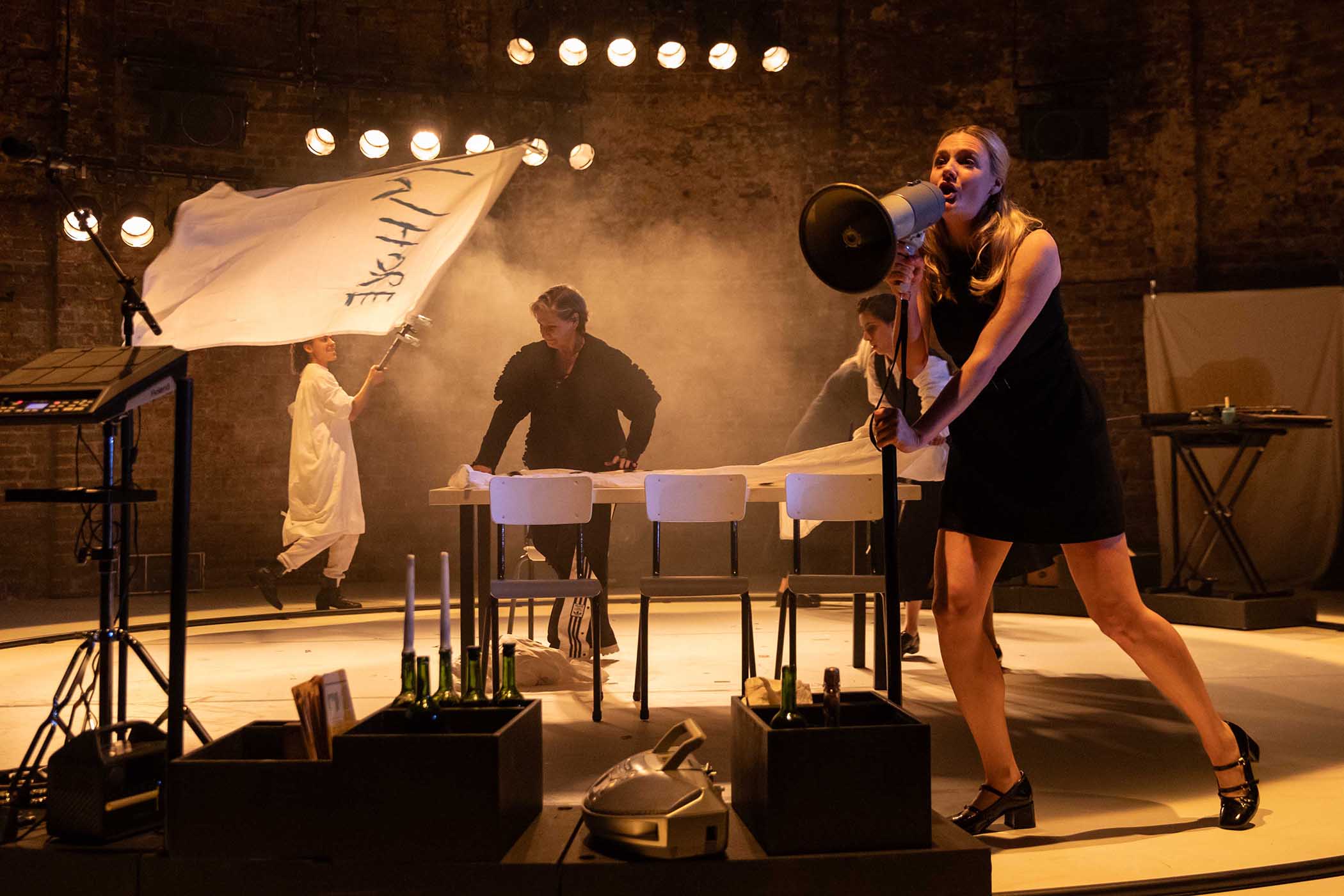
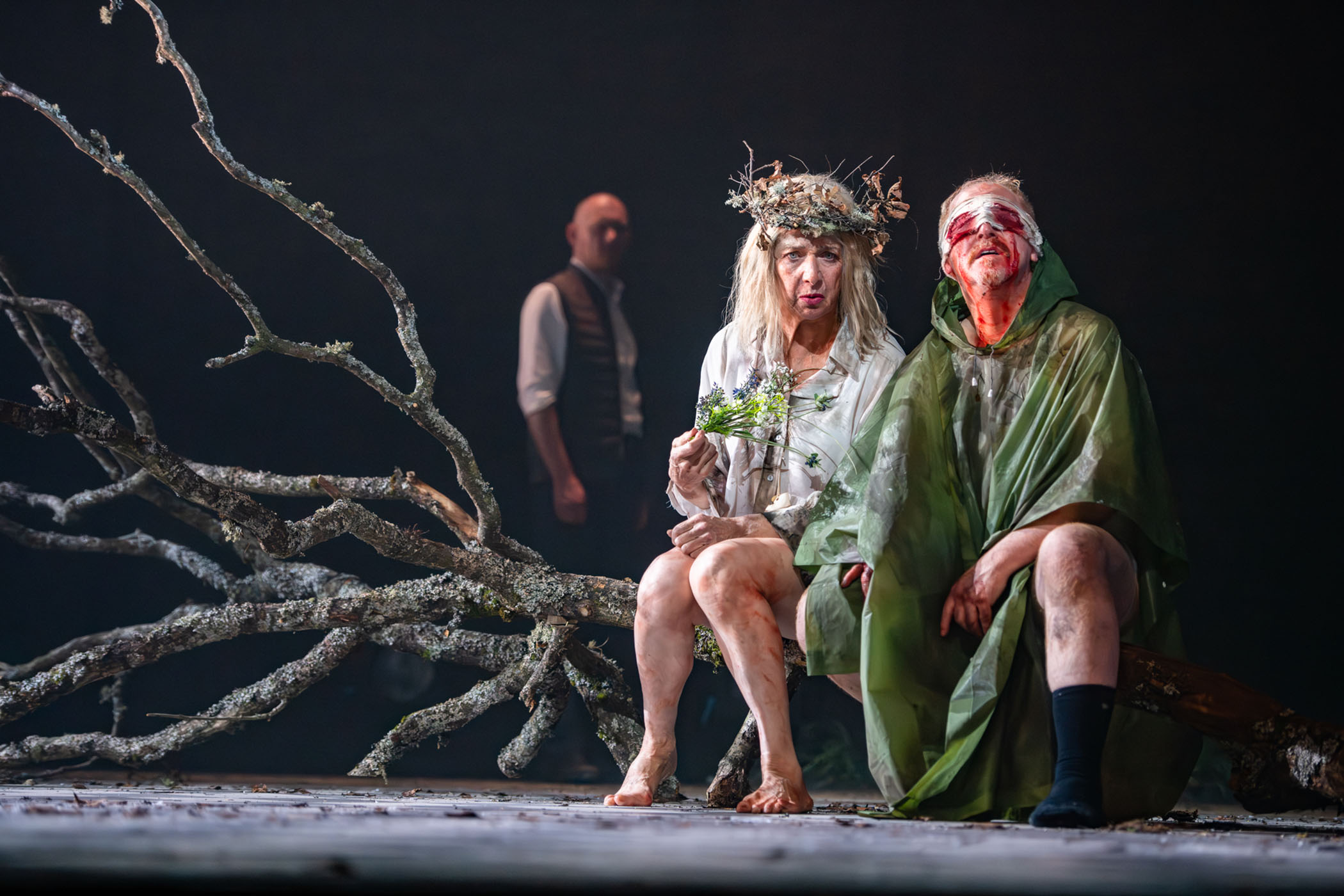
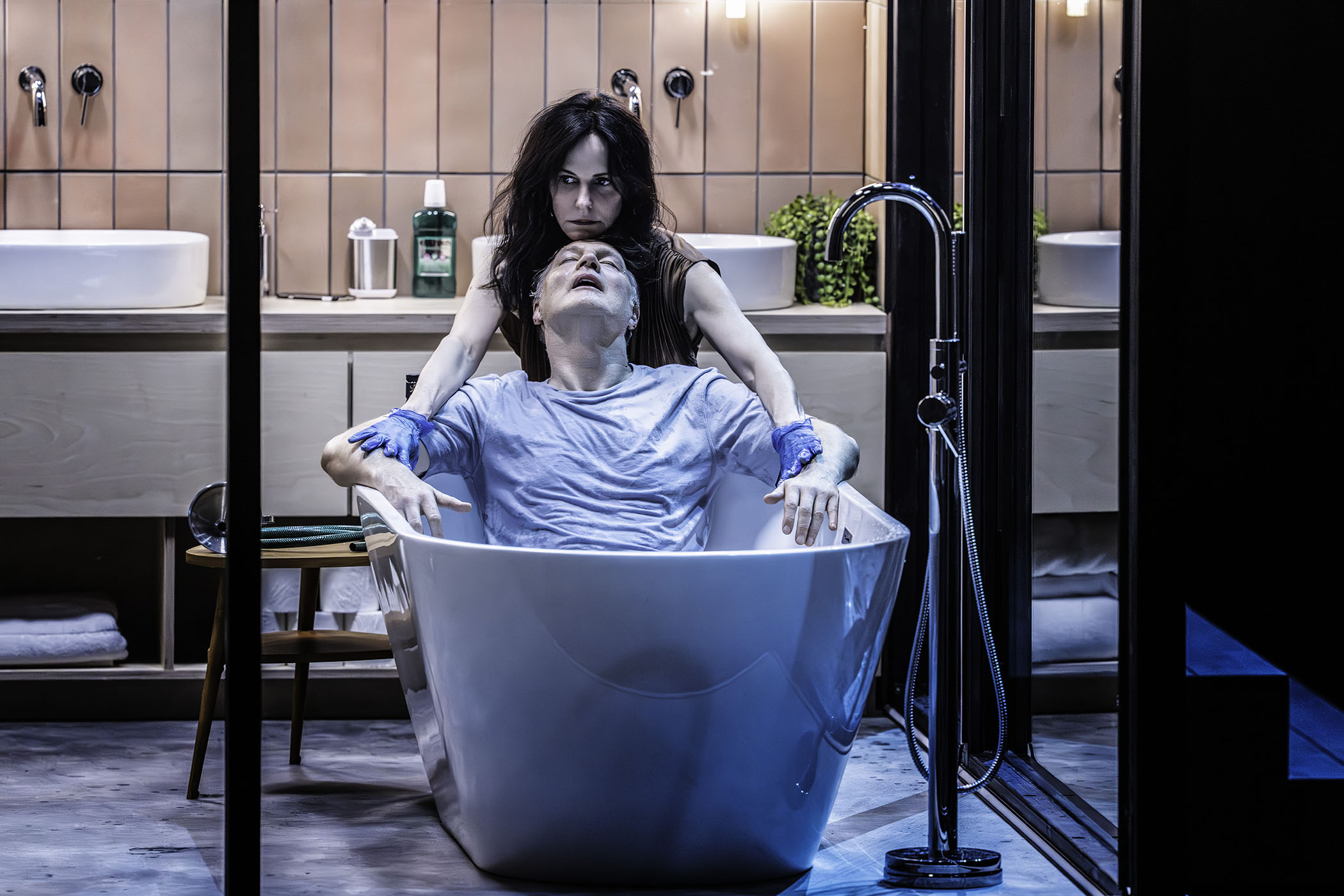
Romola Garai secured the top prize for her role in the French feminist drama The Years last year
In his diaries, Richard Eyre recalls standing backstage at the 1995 awards “alongside a nervous Anthea Turner, who had just asked me if it would be a difficult audience, when Tony Slattery called [theatre critic] Nick de Jongh a cunt, got a huge laugh and a round. ‘Follow that,’ I said … she looked terrified.”
But the platform of the Oliviers has also been used to powerful effect. In 1988, McKellen, soon after coming out as gay, used his speech to denounce section 28. Last year, Lithgow took the opportunity to rail against a second Donald Trump administration. It was, he said, “a pure disaster – really disheartening”, although he hoped it might prompt great artistic responses and “give us all something to fight for”.
If the real value of the Oliviers is their ability to spotlight underappreciated or undervalued theatre work, it’s telling that the woman with the most overall nominations is lighting designer Paule Constable; someone who argued hard for greater support for forgotten technical and backstage freelancers during the Covid lockdown of 2020 (when the Oliviers were cancelled). She perhaps would pick out the 1977 winner of the special award: Harry Loman. Once a performer with Fred Karno’s comedy troupe, alongside Charlie Chaplin and Stan Laurel, he was better known to many in the theatrical world in a humbler role – on the door at the Criterion theatre. Where else can a doorman win the same prize as Dench, Lord Lloyd-Webber and Olivier himself?
Photographs by Ali Wright/PA Images/Pamela Raith Photography