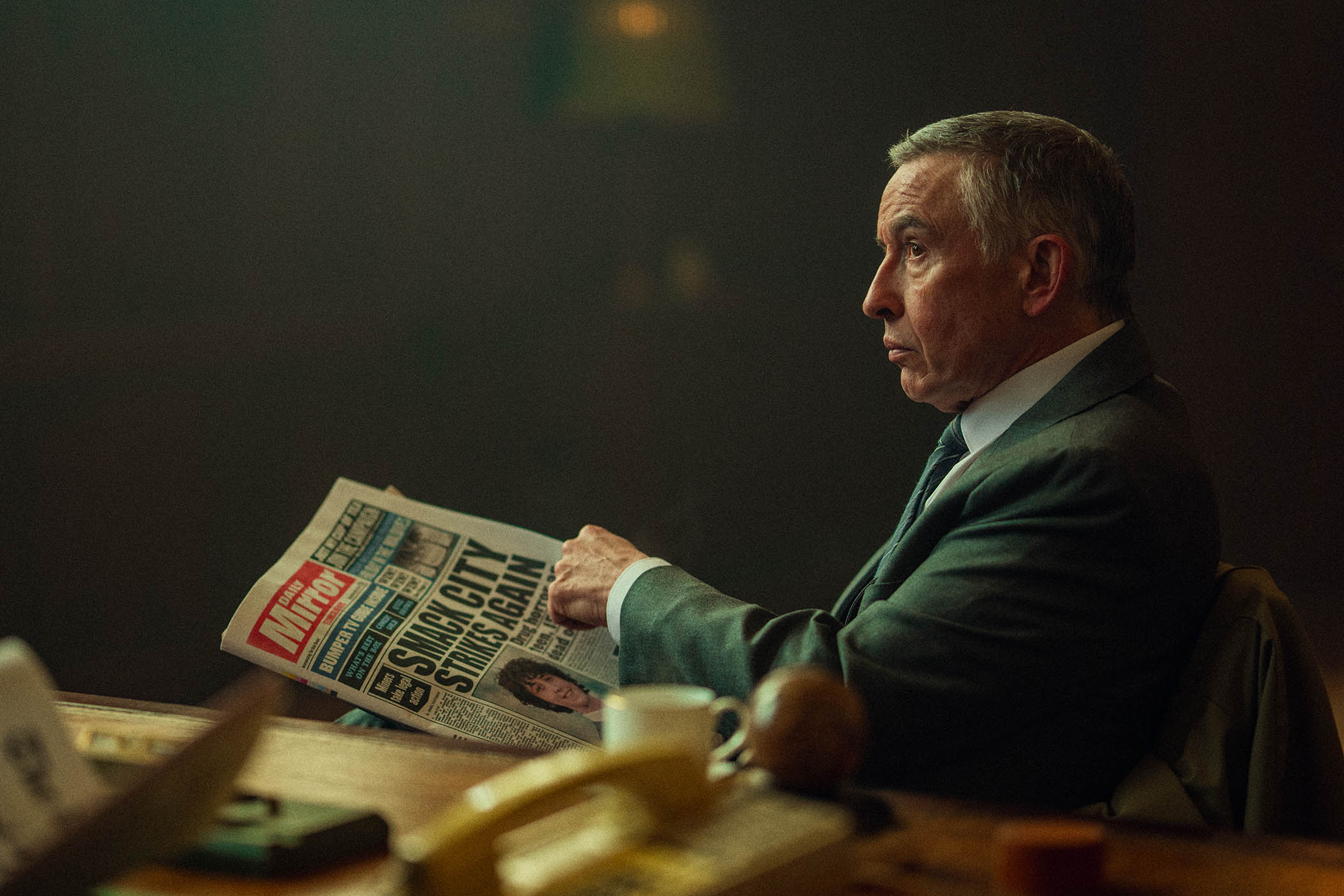
Legends, the new Netflix series from Neil Forsyth, is the kind of thriller that wants to keep you in a state of unease. Like Forsyth’s The Gold, which focused on the 1983 Brink’s-Mat gold bullion heist, it’s based on a real-life story, this time set in the 1990s.
It opens with two young people dying of heroin overdoses: a teenage boy from a Liverpool council estate and a cabinet minister’s daughter. The prime minister, Margaret Thatcher, needs to show strength – “throw red meat to the masses”, snaps Alex Jennings’s home secretary – with a high-profile drugs bust.
A former undercover operative, referred to as “Don” and played by Steve Coogan in hardcore dour Mancunian mode (“It’s not about having a plan, son”), is tasked with training ordinary HM customs and excise officers to form an undercover unit. They must infiltrate a drug smuggling gang that plans to bring in two tonnes of heroin with a street value of £1bn.
“Assembling” like underpaid, undervalued Avengers, the officers, “Guy” (Tom Burke), “Bailey” (Aml Ameen) and “Kate” (Hayley Squires), are given new identities – the “legends” of the title. It’s clear they’ve been chosen for the faultlines in their characters – the cracks, the broken bits – as much as their attributes.
Amid the gunfire, executions and firebombs, scenes throb with near-existential tension
Amid the gunfire, executions and firebombs, scenes throb with near-existential tension
The Gold shimmered with a sense of the hustling 1980s, but there’s not much of the 1990s here, bar some time-dated musical cuts (Stone Roses; Manic Street Preachers) and a risible clubbing scene featuring about 15 people.
The six episodes mainly play out in London and Liverpool warehouses, bars and underground dives, or locations along the smuggling route (including Pakistan, Iraq and Turkey). Amid the gunfire, executions and firebombs, scenes throb with near-existential tension: “When I look at you. I see ghosts”.
But the real violence in Legends is psychological. Burke, with Charlotte Ritchie playing his wife, has never been better; he’s a man, buddied-up with a Greek stooge (Gerald Kyd), who method-acts into his undercover role as a London villain almost to the point of no return. Ameen and Squires are good as Liverpool-based agents, as is Jasmine Blackborow as an HQ operative, but these roles are underwritten. Coogan’s Don is mainly deployed as a straight-shooting pragmatist: “How would we do it? With great fucking difficulty”.
Elsewhere, Tom Hughes (who appeared in the second series of The Gold) is strong as a drug kingpin consumed by a fragile ego. His sidekick is played by Johnny Harris, who convinces as a flawed man eviscerated by bitterly painful events in his personal life.
Legends is similar to The Gold and other recent crime thrillers – The Responder, We Own This City – but there’s also a smattering of Slow Horses. Forsyth’s twin obsessions – the Establishment and the Little People – guide this series, but while The Gold was suffused with Thatcherism, Legends relishes the last gasp of that era. The ripe speechifying that was The Gold’s weak point has been curbed, though not entirely: “The end is coming for us all, home secretary. But some of us still have work to do.” Legends isn’t perfect and gets lost in the weeds of detail, but in its best moments it fuses intelligence, grit and 20th-century politics to compelling effect.
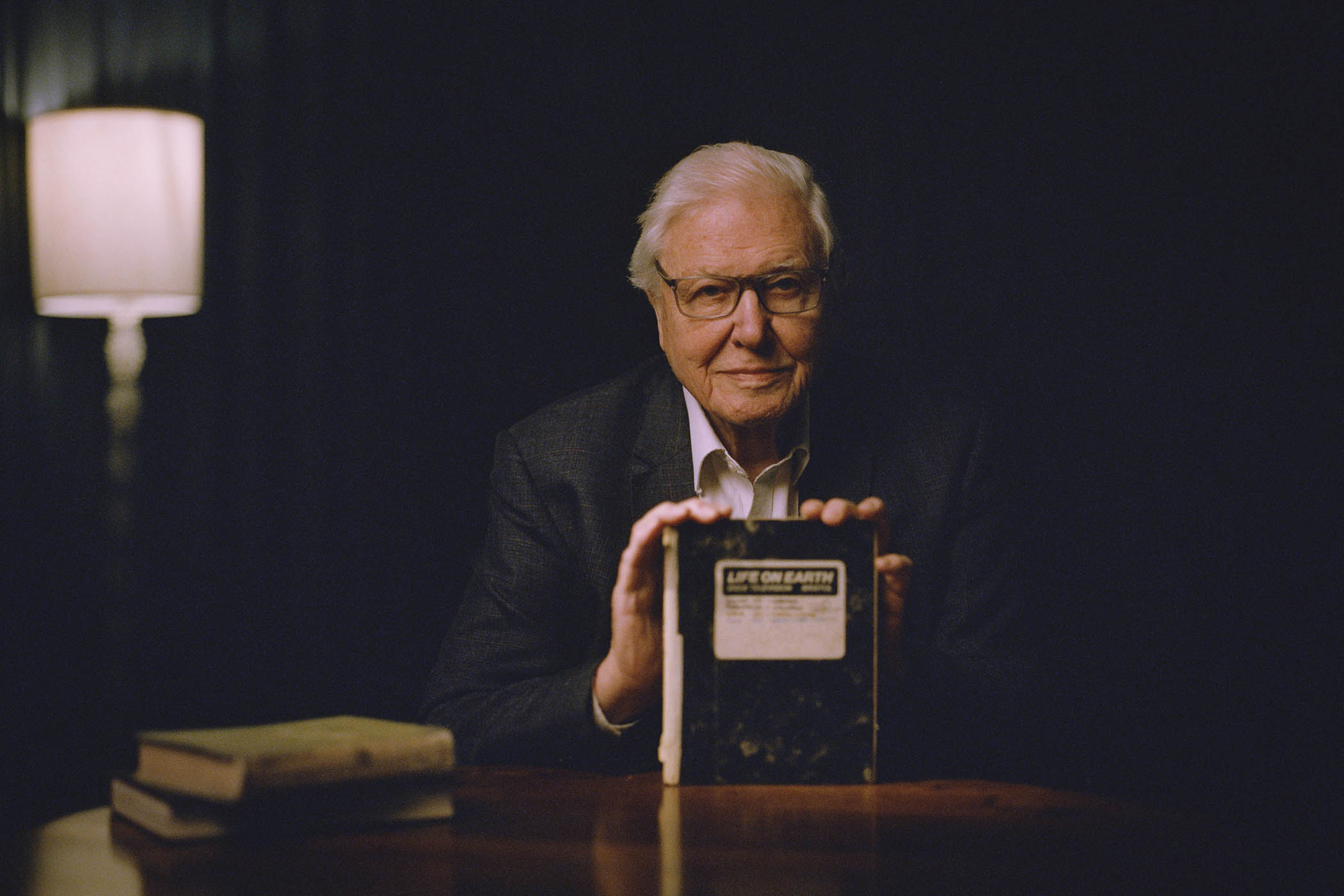
Sir David Attenborough has turned 100, and the BBC is rightly making a giant fuss of him. He’s steadfastly remained as popular, if not more, than the royal family. He’s the safari-suited godfather of global wildlife television; the undisputed master of the crouching, whispering explainer-shot, whether in desert sand next to lizards, mossy riverbanks cooing to toads, or deep in the rainforest gawping at macaws.
Newsletters
Choose the newsletters you want to receive
View more
For information about how The Observer protects your data, read our Privacy Policy
The BBC One documentary Making Life on Earth: Attenborough’s Greatest Adventure chronicles the filming of his groundbreaking 1979 series Life on Earth. In our age of weasel ambition, it feeds the soul to hear Attenborough, initially on the “managerial ladder of BBC television”, talking about how he practically ran screaming from the BBC director-general job. He recalls: “I may know about birds of paradise, but I certainly don’t know about prime ministers.”
Attenborough ended up at the Natural History Unit in Bristol, and the rest is … well, natural history. He and various producers, camera operatives and assistants reminisce about the triumphs and perils of filming in unprecedented locations across the globe to tell the story of evolution.
So much is related here. A donkey allergy makes Attenborough’s eyes swell in the Grand Canyon for the first-ever camera monologue. Lions hunt wildebeest in Tanzania. The crew are taken to a compound in fear of their lives in Rwanda. And also from Rwanda comes footage of Attenborough with a happy family of gorillas, still as startling and sweet as the day it was filmed.
When Life On Earth was broadcast, it was a huge hit, garnering 15m viewers and emptying the pubs (the advent of colour television undoubtedly helped). With this lovely tribute, it’s clear that the secret to Attenborough’s endless appeal is that he’s not just an expert, he’s an enthusiast. That always ages well.
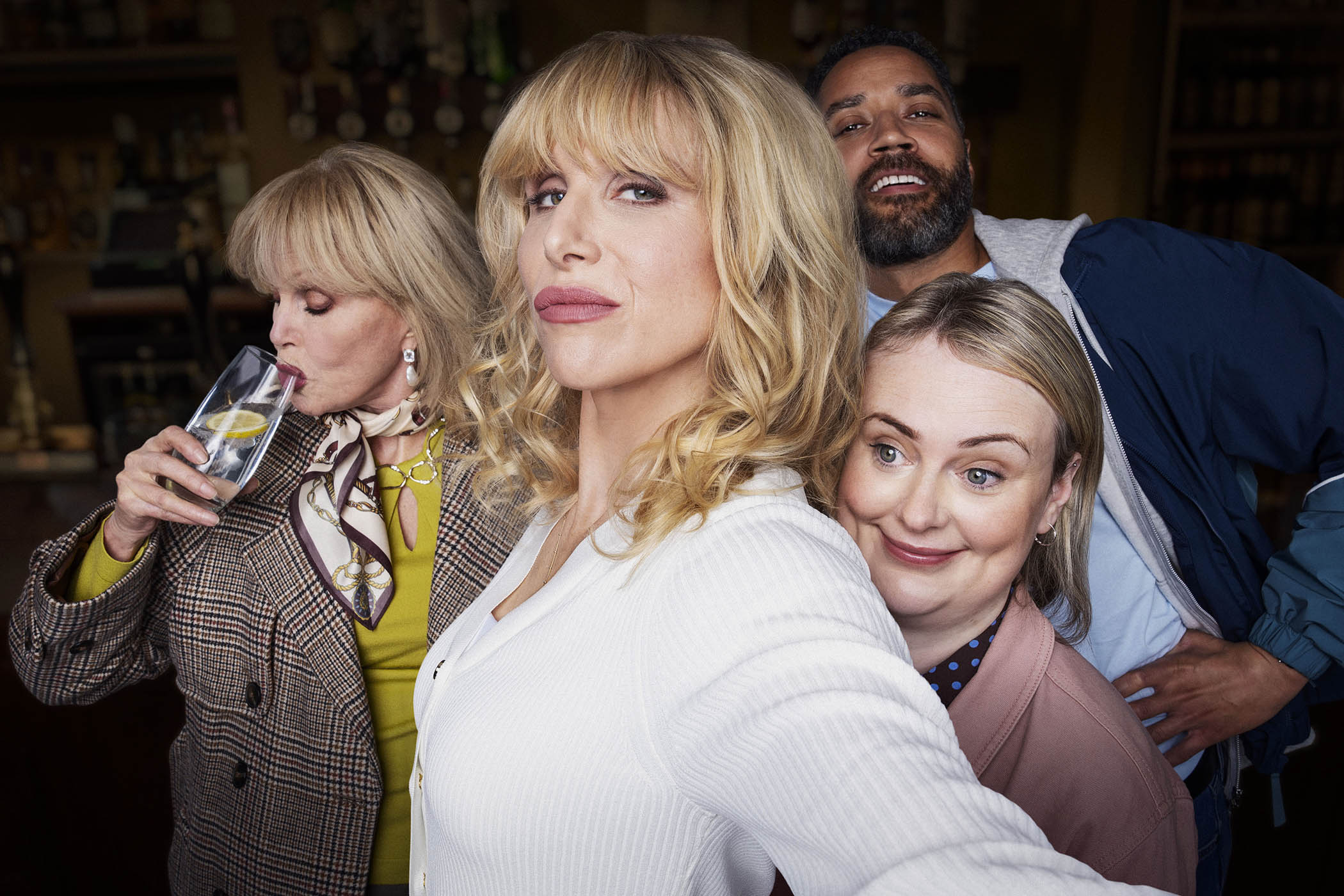
Also on BBC One is the return of Amandaland, the Motherland spinoff and brainchild of Holly Walsh, Laurence Rickard, Helen Serafinowicz and Barunka O’Shaughnessy.
Lucy Punch stars as the “delulu” post-divorce yummy mummy influencer. She’s still talking up South Harlesden (“SoHa”), worshipped by her mini-me Anne (Philippa Dunne reprises her Bafta-nominated role) and despaired of by her neighbours – played by Siobhán McSweeney, Rochenda Sandall and Samuel Anderson. Amanda remains undermined by her acidic mother, portrayed by Joanna Lumley as an age-appropriate Patsy from Absolutely Fabulous, complete with cut-glass vowels and a John Lewis gift card.
The series is formed of low-stakes horrors: pathetic brags about “collabs”; gentrified coffee shops; school career advice styled as Ted Talks (“So what is my origin story?”). It all rumbles along softly, but now and again there’s a whiff of sulphur – of despair or fear of ageing – that keeps things pleasantly spiky.
Photographs by Netflix/BBC