The Lucy Letby case has turned into a grim fixture of our culture. In 2023, the neonatal nurse was convicted of the murders of seven babies and the attempted murders of seven others at the Countess of Chester hospital in Cheshire between June 2015 and June 2016, making her one of the most prolific female child serial killers in British history.
In January, police confirmed Letby faced no further criminal charges. A decision from the Criminal Cases Review Commission on whether to reopen the case is due later this year. Until then, what’s left to report? Going by the latest documentary, Dominic Sivyer’s The Investigation of Lucy Letby (Netflix), perhaps not much.
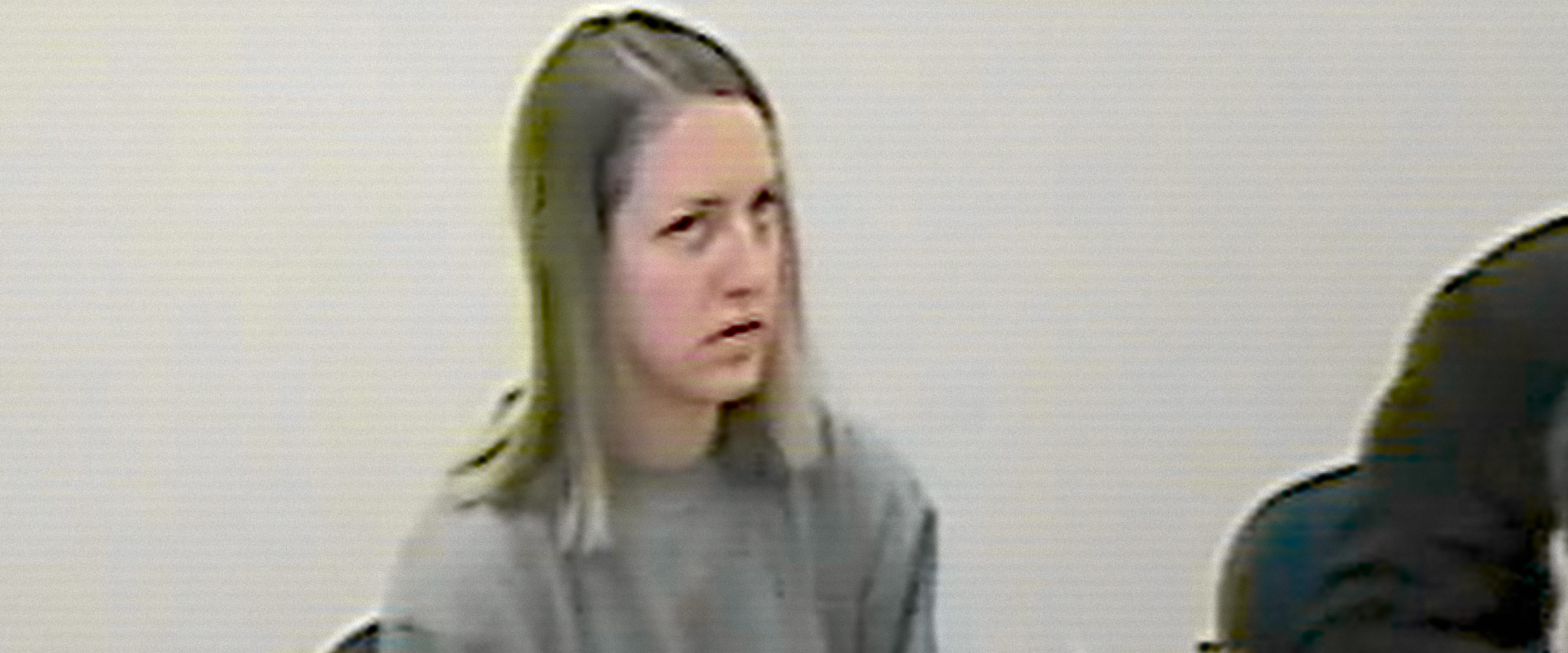
The gruelling opening features new bodycam footage showing the nurse arrested at the family home and includes a howl of distress from her mother. It’s one of several arrests; Letby taken in her bedroom, ashen-faced, crying, hugging her cats goodbye, handcuffed. (Her parents have complained about their inclusion.)
The documentary includes moving interviews with one of the bereaved mothers, who’s been digitally anonymised using AI (her baby is called “Zoe” here). Elsewhere, interviewees – medics, police, lawyers – present the case against Letby and the well-rehearsed arguments for her wrongful conviction. There are the damning diaries and notes (“I did this”), but were they written as a therapy exercise? Babies stopped dying when Letby was moved away, but the unit also stopped taking very sick infants. And so on.
There are several arrests; Letby taken in her bedroom, ashen-faced, crying, hugging her cats goodbye
There are several arrests; Letby taken in her bedroom, ashen-faced, crying, hugging her cats goodbye
Some details seem hard to explain, such as Letby’s hoarding of case notes and her Facebook searches for Zoe’s parents. The documentary also includes an interview with the consultant neonatologist, Shoo Lee, who co-wrote a scientific paper on which Dewi Evans, the original trial’s expert witness, based his evidence. Last year, Lee chaired a panel of medical experts proposing there had been no murders.
With no new revelations pertaining to the case, the main talking point from this documentary looks likely to be the footage of the arrests. Bar the noise and the rubbernecking, there is little of real substance to add about the harrowing case.
On BBC Two, Laura Kuenssberg’s documentary Reform: Ready to Rule? looks at Nigel Farage’s party. The presenter justifies making the programme by saying Reform can’t be ignored; it only has eight MPs, but consistently leads the polls, winning mayorships and hundreds of council seats. Several Conservative politicians have also defected to the party, most recently, the former home secretary Suella Braverman, ex-chancellor Nadhim Zahawi and former shadow justice secretary Robert Jenrick.
Kuenssberg’s question of whether a protest party can be trusted to govern, however much it rattles the main parties, appears to be answered by Kent’s Reform-led council, here shown putting the council tax up. Elsewhere, Reform is seen losing the 2025 Caerphilly byelection to Plaid Cymru, but it does have a swanky office in Millbank – where Labour plotted its landslide 1997 election victory – paid for, Kuenssberg says, by a £9m donation from a cryptocurrency business. Marvellous!
When he is interviewed, Farage is his usual slippery self. The numerous charges of racism, including antisemitic taunts as a student at Dulwich College, are met with waffling auto-denial: “If teenage boys in an all-boys’ school haven’t said things to each other, haven’t been brutal in some ways in the late-1970s, I’d be very surprised.” Protesters yelling about keeping Britain white? Farage says it’s unfair to quote extremists. Can he become prime minister? “The gap in the market seems enormous.”
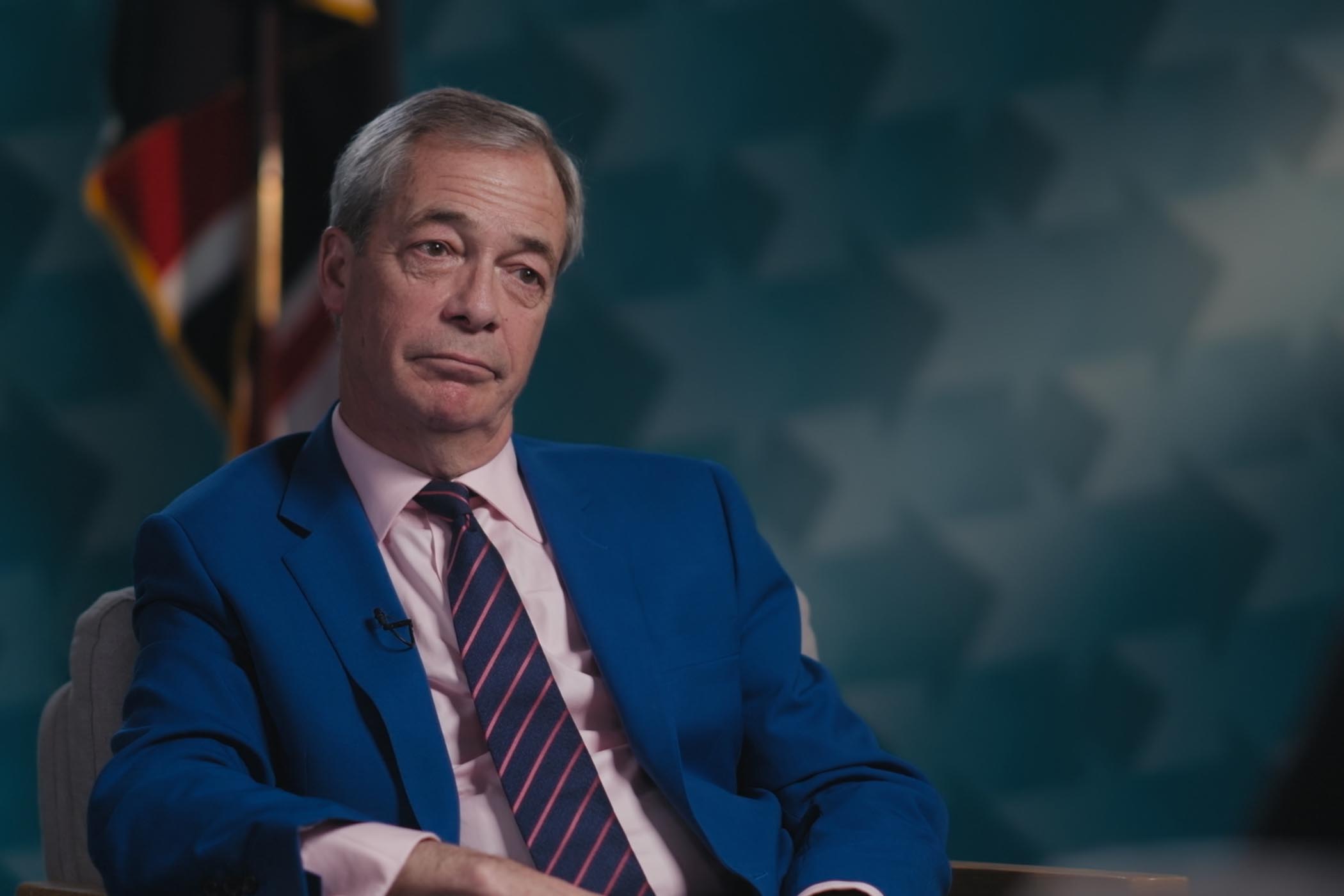
Nigel Farage is interviewed by Laura Kuenssberg in Reform: Ready to Rule?
Kuenssberg doesn’t allow Farage to do his “Blokey Nigel with a pint” routine, but she does liken his popularity to Boris Johnson’s (“He sucks oxygen, he sucks attention”). There’s a difference between covering a dubious political rise and legitimising it, and these kinds of documentaries need to tread carefully.
Newsletters
Choose the newsletters you want to receive
View more
For information about how The Observer protects your data, read our Privacy Policy
It’s odd to think of King Charles III “flexing” – and yet that’s the impression given in the documentary Finding Harmony: A King’s Vision from the King’s Foundation and Amazon Prime Video. Led by Kate Winslet’s somewhat syrupy kowtowing narration – like a head girl in overdrive – it explores the monarch’s quest for the harmonious integration of nature into our lives.
It also rightly positions the king as ahead of the curve on environmental issues; giving speeches about pollution at the age of 21, revealing he spoke to plants and pondering on the ozone layer and the climate crisis. “All this sort of thing was considered completely bonkers,” says Charles, perusing old footage.
There’s a resolute skirting of the more disharmonious aspects of current royal life (it’s not that kind of documentary). The “harmony” brief is exhaustingly stretched to include all the king’s global good works. Nevertheless, it’s interesting – especially about how Charles transformed royal residences, including Highgrove House in Gloucestershire, into organic farming havens. Will this – the “green king” – impress younger and indeed future generations? Charles is 77 and receiving treatment for cancer; there’s a sense here of curating his legacy.
Can you have too much of a cloaked thing? Personally, I was thrilled that the recent final of the UK series of The Traitors coincided with the start of The Traitors Ireland (BBC Three) – a hit there last year. It meant I could get my next Traitors fix.
Set in Slane Castle, County Meath, and presented by Siobhán McSweeney (Sister Michael in Derry Girls), who hams it up with gusto, this is a different beast altogether. It makes you realise how passive-aggressive the UK series is: all that mealy-mouthed denunciation at the roundtable (“Gosh, sorry”). Here, contestants speculate, pontificate, swear and wildly accuse each other.
The production is chaotic and bracingly low-budget. The result is Bad Sisters meets Scooby-Doo, with the occasional crackle of Irish language. It’s an entertaining, idiosyncratic treat and a reminder that The Traitors format travels exceptionally well.
Photographs by Netflix/BBC