
We’ve been obsessing over word games for well over two millennia. The sator square is a “magic square” of 25 letters making up a grid of acrostic palindromes – in Latin, of course. The earliest example we have was found in the ruins of Pompeii, carved into one of the columns of the Palestra Grande, the athletic arena. Waiting to go for a run or work out? Etch your own entertainment while you take a breather.
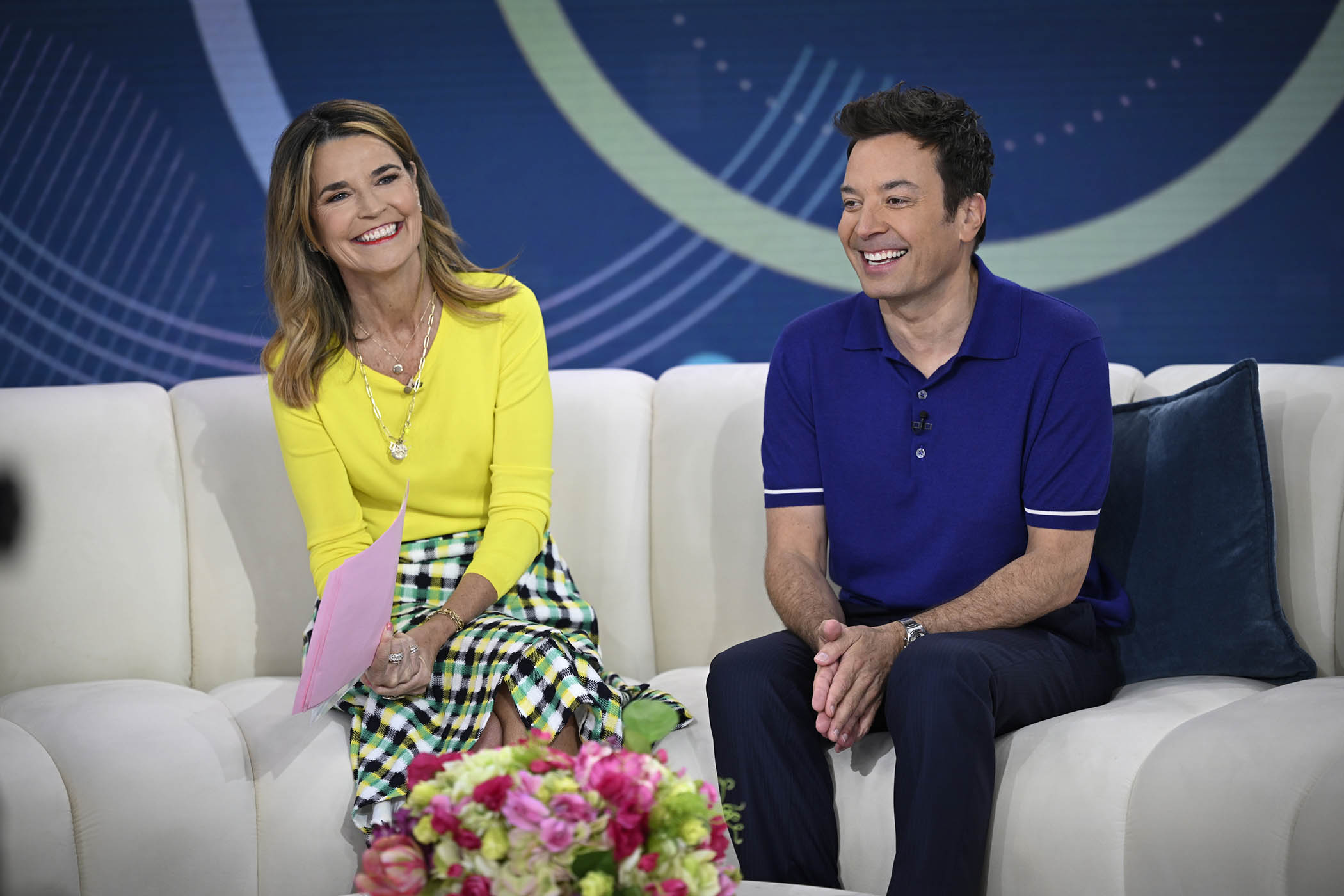
The lives unearthed from the ash that swallowed the southern Roman city seem startlingly like ours – so it’s easy enough to imagine the denizens of Pompeii getting as excited as we all are about the Wordle making the leap from a puzzle in your New York Times app to the small screen. It has just been announced that Wordle is going primetime next year, with a show made by NBC but filmed in Manchester and hosted by Savannah Guthrie: it will be a co-production with Jimmy Fallon's company – Electric Hot Dog – and the NYT.
Why care about Wordle when the world is going to hell in a handcart? That’s precisely the point. You’ll recall that the game, created by software engineer Josh Wardle, had its public debut in October 2021, during those bad old pandemic days – he’d originally built it for him and his partner to play. But once word got out, the game, which gives you six goes to guess a five-letter word, became a sensation, and was eventually bought by the NYT for a seven-figure sum. Things are still crap, just in a different way, now: I vote for more puzzles on television at all hours of the day.
Caitlin O’Kane is The Observer’s puzzles editor, doyenne of Goldilocks, Gemelo, Azed and more (check them out, if you haven’t! I love the Lexipedia quiz). She calls Wordle “the biggest single recruitment event for puzzles”. Hands up – I was recruited into that army of millions of people all over the world wondering if ADIEU was the guaranteed best way to start our sequence of guesses. She points out that it was not, in fact, a totally new game, but rather a twist on an old one: if you ever played Mastermind (remember how creepy the original box was?) you’ll know what I mean. It’s not a word game: it’s an elimination game that happens to use words instead of coloured pegs or numbers.
The viral explosion of Wordle during the pandemic “brought people together by gently pitting them against one another at a time when we felt disconnected from one another. It was a beautiful societal moment,” O’Kane says now, pointing out that what the NYT was buying was not even so much the game as its virality. As for how that intimacy of play will translate into television: “It’s a gamble. There’s a lot of hype. People are really attached to it – they love the format, they love the way it looks. So there’s a lot at stake.”
But she’s very interested in the choice of Savannah Guthrie as the host. It has been 100 days since Guthrie’s mother Nancy was abducted from her Arizona home on February 1 – a masked man armed with a handgun was seen on security camera footage at her house, but her whereabouts and fate remain unknown. May 10 was Mother’s Day in the US, and Guthrie posted a montage of her mother on social media. “Mother, daughter, sister, Nonie – we miss you with every breath,” she wrote. “We will never stop looking for you. We will never be at peace until we find you.”
Guthrie, the host of NBC’s Today show, has taken an extended break from broadcast work; she has spoken of how a passion for Wordle was something she shared with her 84-year-old mother. “That’s exactly what I see in my subscriber base,” O’Kane says. “It’s a shared language, a shared love, a reason to text someone – it runs through relationships.”
Wordle offered a kind of healing, when it first popped up on our phones. Maybe it’s too much to hope that a television gameshow can do the same, but in this case I’d like to think it just might.
Related articles:
Photograph by Scott Gries/Getty Images
Newsletters
Choose the newsletters you want to receive
View more
For information about how The Observer protects your data, read our Privacy Policy