
Among other concerns, ITV1’s new four-part true crime drama The Lady has timing issues. Produced by the makers of The Crown, it’s about Jane Andrews, the dresser between 1988 and 1997 for the then Duchess of York, Sarah Ferguson. In 2000, Andrews used a cricket bat and kitchen knife to murder her partner, the businessman Thomas Cressman, when their relationship failed to end in marriage.
Andrew Mountbatten-Windsor, the former prince arrested and released without charges in connection with the Jeffrey Epstein case, isn’t depicted here. Ferguson, who is, reportedly emailed Epstein multiple times, grubbing for money. While the events are of course unrelated, the timing of this series is jarring. (Natalie Dormer, who plays Ferguson, declined to do publicity and donated her fee to child sexual abuse charities).
The case of Jane Andrews – tragic, desperate – always seemed far more complex than a straightforward woman scorned narrative. She had mental health difficulties and suicidal impulses. Debbie O’Malley’s script endeavours to lend it nuance, though, at times, it seems rather ladled on. Andrews, played by Mia McKenna-Bruce (How to Have Sex), is shown scrabbling her way out of Grimsby, where she had been working at Marks & Spencer, to attend the royal job interview. A clunky, cringeworthy scene shows Ferguson joking about “Oop north” and Andrews announcing: “I just think I’d be better suited to a palace.”
After Andrews is mocked by Buckingham Palace staff for her shoes and accent, she morphs into a clone of Ferguson. It’s a social mask she takes into her private life, eventually entering into the fraught relationship with Cressman (Ed Speleers). In a second timeline, Philip Glenister plays the detective heading the murder investigation, as Andrews goes on the run. The resulting drama feels like a patchwork of conflicting styles. It’s most successful as a tale of class, ambition and reinvention ending in darkness. But it’s also a crime procedural-cum-courtroom drama (during the trial, Andrews claimed Cressman abused and raped her) and a snoop into the royal milieu in the style of The Crown: Diana, Princess of Wales is glimpsed through a doorway; Zadok the Priest booms on the soundtrack as Andrews irons Ferguson’s clothes. And so on.
Dormer plays Sarah Ferguson as erratic and self-centred, with some fashion silliness thrown in
Dormer plays Sarah Ferguson as erratic and self-centred, with some fashion silliness thrown in
McKenna-Bruce credibly portrays Andrews as an ersatz Sloane Ranger-style Tom Ripley fixated on secondhand status. Dormer plays Ferguson as erratic and self-centred, with some fashion silliness and allusions to toe-sucking (one of her notorious affairs) thrown in.
Despite attempts to elevate this above standard true crime, it doesn’t quite work: the tone is incoherent, lurching queasily between levels of taste. Then of course there’s the Epstein factor lurking in the background. Should The Lady have at least been postponed?
The award-winning work of the documentarian Ben Steele includes 2022’s The Whistleblowers: Inside the UN. His new documentary, The Zero Line: Inside Russia’s War, airing on BBC Two, marks four years since the start of Russia’s full-scale invasion of Ukraine. It examines the Russian frontline and includes shocking accounts of on-the-spot executions to ensure military obedience.
The documentary explains that “zero” has a macabre double meaning; as a noun, it’s military jargon for the critical point, or “zero line”, of the frontline; and as a verb, it’s slang for commanders executing – “zero-ing” – their own soldiers for disobeying orders. Civilians who try to oppose Vladimir Putin’s regime are imprisoned. A woman speaks about her partner who was raped when he was arrested: “In Russia, protest is dead – it’s been killed.”
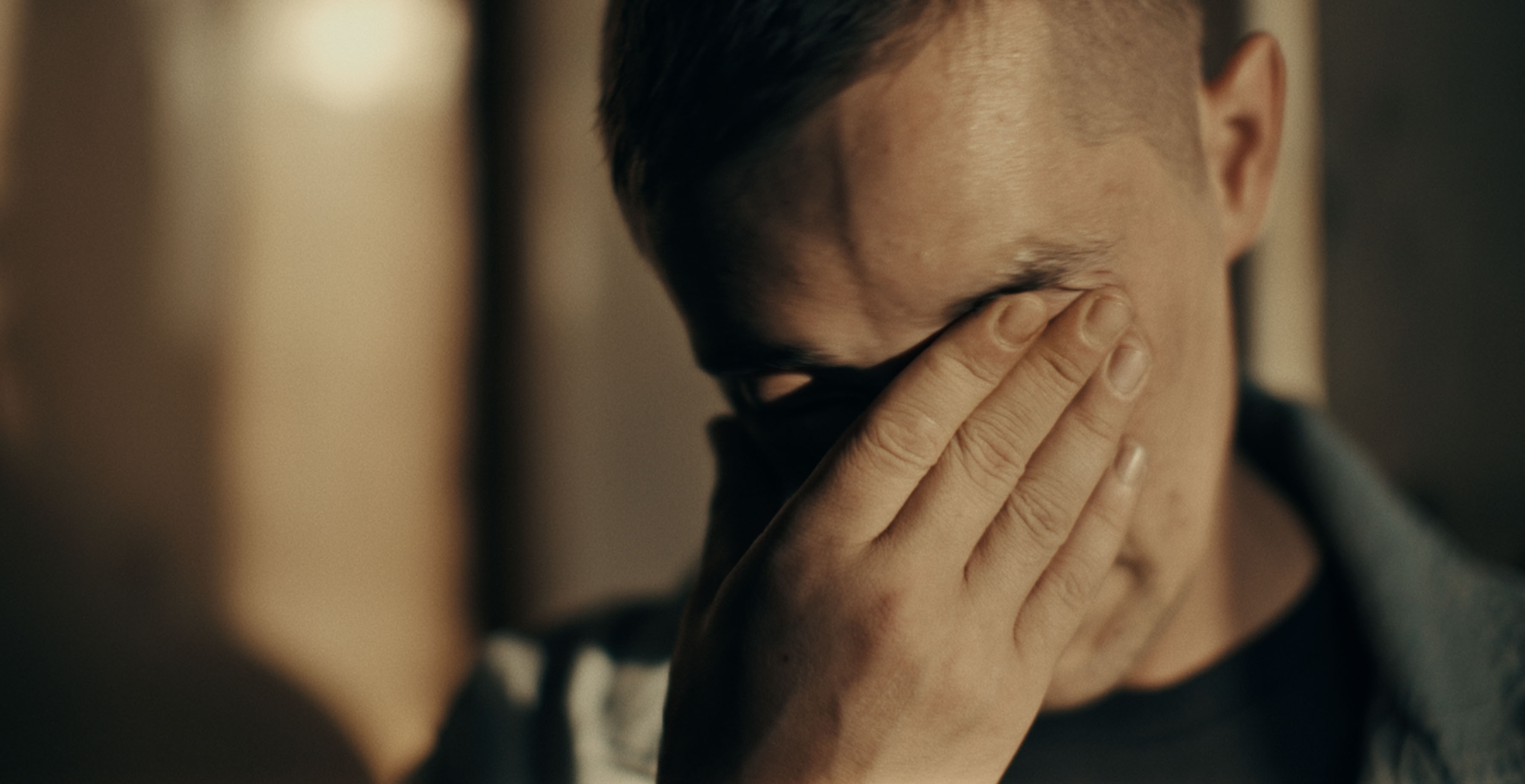
Russian soldier Ilya is interviewed in Ben Steele’s essential, harrowing documentary The Zero Line: Inside Russia’s War
The stories are raw: among them are accounts of “meat storms”, where soldiers are dispatched along the frontline to wear down Ukrainian forces (the documentary reports that an estimated 900-1,000 Russians were killed or wounded every day in 2025). Those who won’t participate in meat storms, or who refuse to order others to take part, end up tortured – beaten, starved, electrocuted, urinated on – or shot. There is footage of executions.
This is a very tough watch, intensified by an awareness that everyone interviewed – it is filmed in undisclosed locations – could end up arrested or worse. One soldier who escaped from the army after refusing to organise a meat storm says: “I’m a criminal … my crime is just that I don’t want to kill.” Everyone should watch this harrowing film to honour those risking everything to speak out.
Newsletters
Choose the newsletters you want to receive
View more
For information about how The Observer protects your data, read our Privacy Policy
On Channel 4, Dirty Business is a three-part docudrama from Joseph Bullman (Partygate) about the scandal of water pollution since privatisation in England and Wales in 1989. It’s a campaigning drama designed to inform and galvanise viewers, as popularised by Mr Banks vs the Post Office.
In 2016, two real-life retired Oxfordshire men, Peter Hammond (Jason Watkins) and Ashley Smith (David Thewlis), notice that the River Windrush is brown and the fish are dead. Sent confusing water company data, Hammond, an academic, devises an algorithm to look into it, assisted by Smith, a former police corruption officer. Aided by other members of the public and whistleblowers, they unearth an incomprehensible situation: sewage persistently pumped into rivers and seas (there were nearly 1m sewage dumps in 2024 – one every 30 seconds); water companies owned by global corporations interested only in profit; the regulating Environment Agency allowing firms to self-regulate. At the end of the series, the screen is full of disclaimers from sundry organisations (self-monitoring, for instance, is to be discontinued).
In one devastating timeline, after Mark and Julie Preen (played by Tom McKay and Posy Sterling) take their family to a supposedly clean Devon beach, one of their daughters dies of E coli 0157 (South West Water does not accept liability). Throughout, real footage shows pipes gushing sickening torrents of raw sewage – faeces, sanitary towels, condoms – into rivers and seas.
The overall tone is tenacious and informative, sometimes leavened by Watkins and Thewlis’s wry double act. “How did it happen that England is the only place in the whole world whose water system is wholly privatised?” exclaims Hammond “That our seas and our rivers are full of shite.” How, indeed? Dirty Business is grubby but essential viewing.
Photographs by Jonathan Ford/ITV/BBC