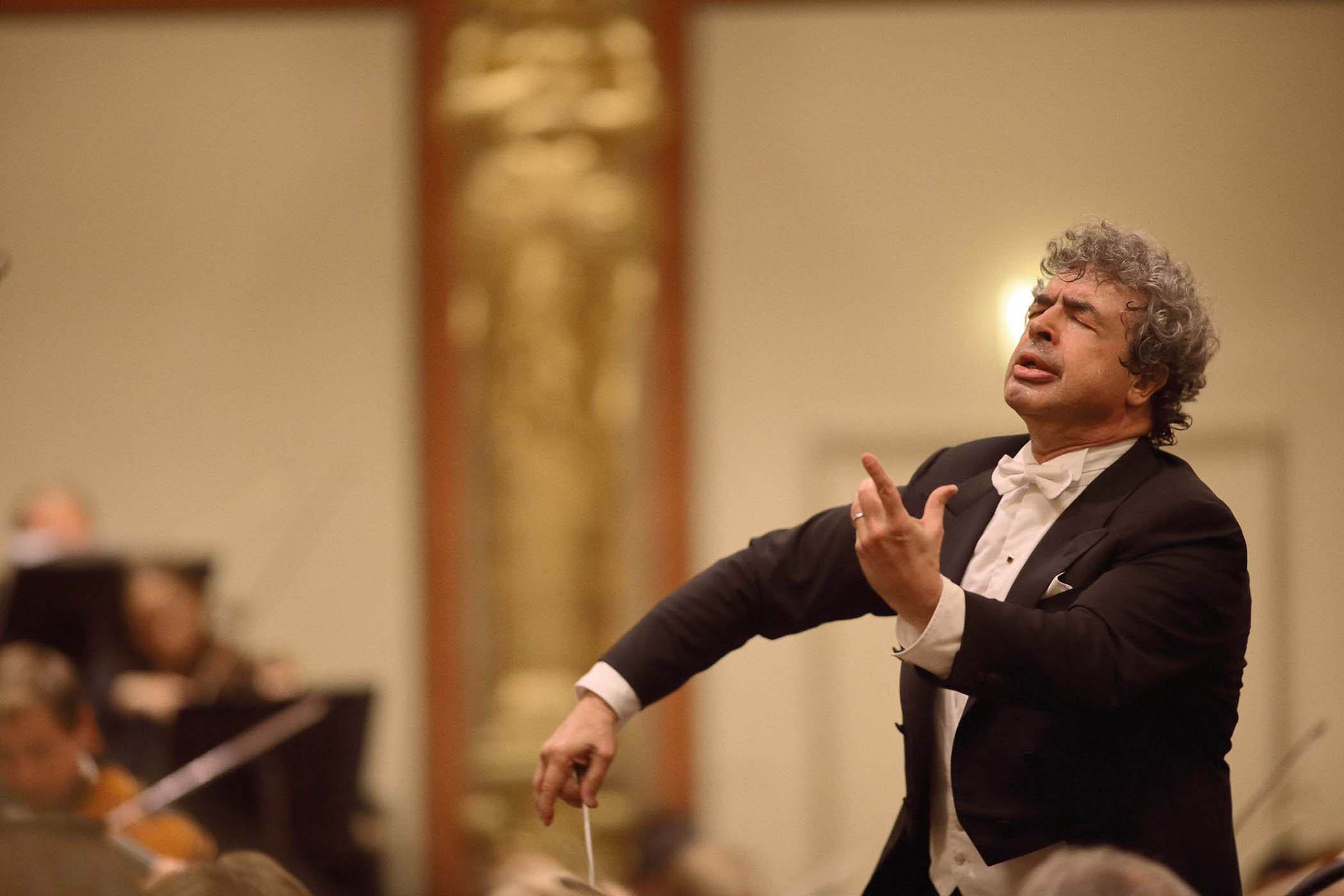

The conductor Semyon Bychkov has been exploring Mahler with his orchestra, the Czech Philharmonic, since 2018 when he took up the post of music director. He will leave at the end of next season after a highly successful decade. Pentatone has now released this partnership’s complete Mahler symphonies cycle (in 11 CDs), having won accolades – and inevitably a few qualms; Mahlerians are an impassioned lot – since issuing Nos 1–5 in 2022.
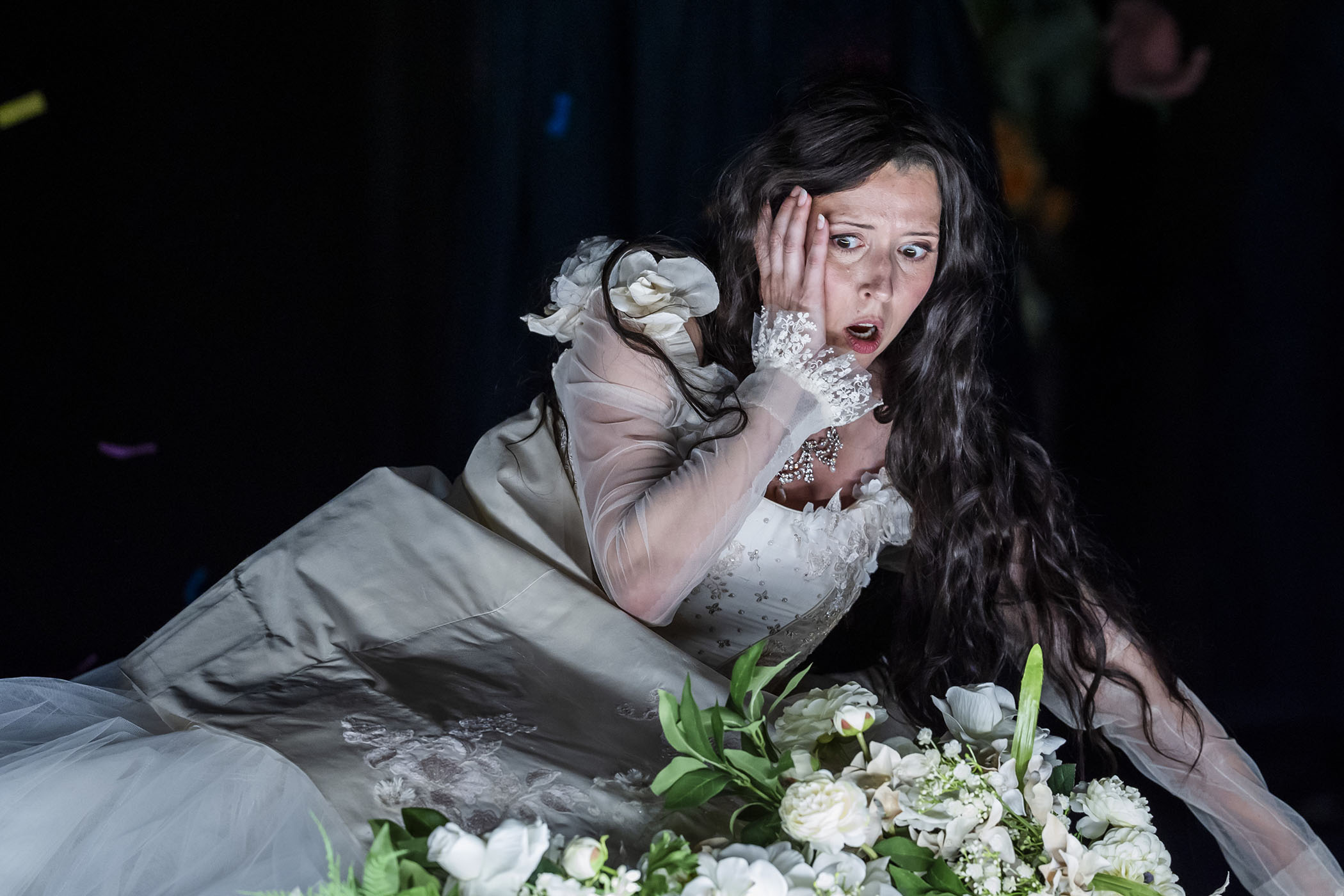
Devotees of the composer will have their preferred conductors: way back, post-war, Bruno Walter and Otto Klemperer; in the middle distance, Leonard Bernstein, Klaus Tennstedt or Claudio Abbado; more recently, Bernard Haitink and Simon Rattle. All have studied these complex scores exhaustively and bring their own insights and, in some cases, arguments to bear, such as in which order the middle movements of No 6 should be played (Bychkov favours Scherzo-Andante. Others are fervent advocates for the reverse order, and consider the case closed.) Bychkov embarked on his Mahler journey with the epic No 2, Resurrection, laying down several live concerts with a recording in 2023 (with top soloists soprano Christiane Karg and alto Elisabeth Kulman, and the Prague Philharmonic Choir).
As a more partial Mahler fan, I find Nos 3, 6, 7 and 9 are the ones I always turn to, making discoveries in all but the most perverse performances. The test in this set was to try those symphonies I had more reservations about, specifically Nos 1 and 4. Bychkov (below) is a persuasive advocate in both. I was fully engaged in the late romantic vitality and spaciousness of No 1, Titan, and far less impatient than usual with No 4 (helped by soprano Chen Reiss in the last movement).
The Czech Philharmonic has a close affinity with this music. Mahler was born in Bohemia and lived in Prague for a time, where he conducted the premiere of his own Symphony No 7 in 1908 with this orchestra. This fine set has all the authority, and sensitivity needed for these works, with excellent sound quality, forensic detail and first-class playing: a warm, well-textured string sound, characterful brass and woodwind. Bychkov has an unerring sense of pace, and even when more leisurely, it works. Collectively the musicians understand this music’s Bohemian accents, overt in the earlier works but present right through to No 9. Some listeners might want more all-out angst, Bernstein-style. For others, this more restrained, hands-off, but still expressive style is what makes the series convincing.
Mahler Symphonies 1-9 Czech Philharmonic, Semyon Bychkov is out via Pentatone
Photograph by Umberto Nicoletti
Newsletters
Choose the newsletters you want to receive
View more
For information about how The Observer protects your data, read our Privacy Policy