
According to the laws of physics, concerts at Wigmore Hall shouldn’t sound as good as they do. The shoebox-shaped room and vaulted ceiling might be panelled with mahogany to allow for a rich, well-balanced tone, but the floor is carpeted and the seats are plush, which should mean that music is soaked up rather than left to sound out around the hall and into the ears of audience members.
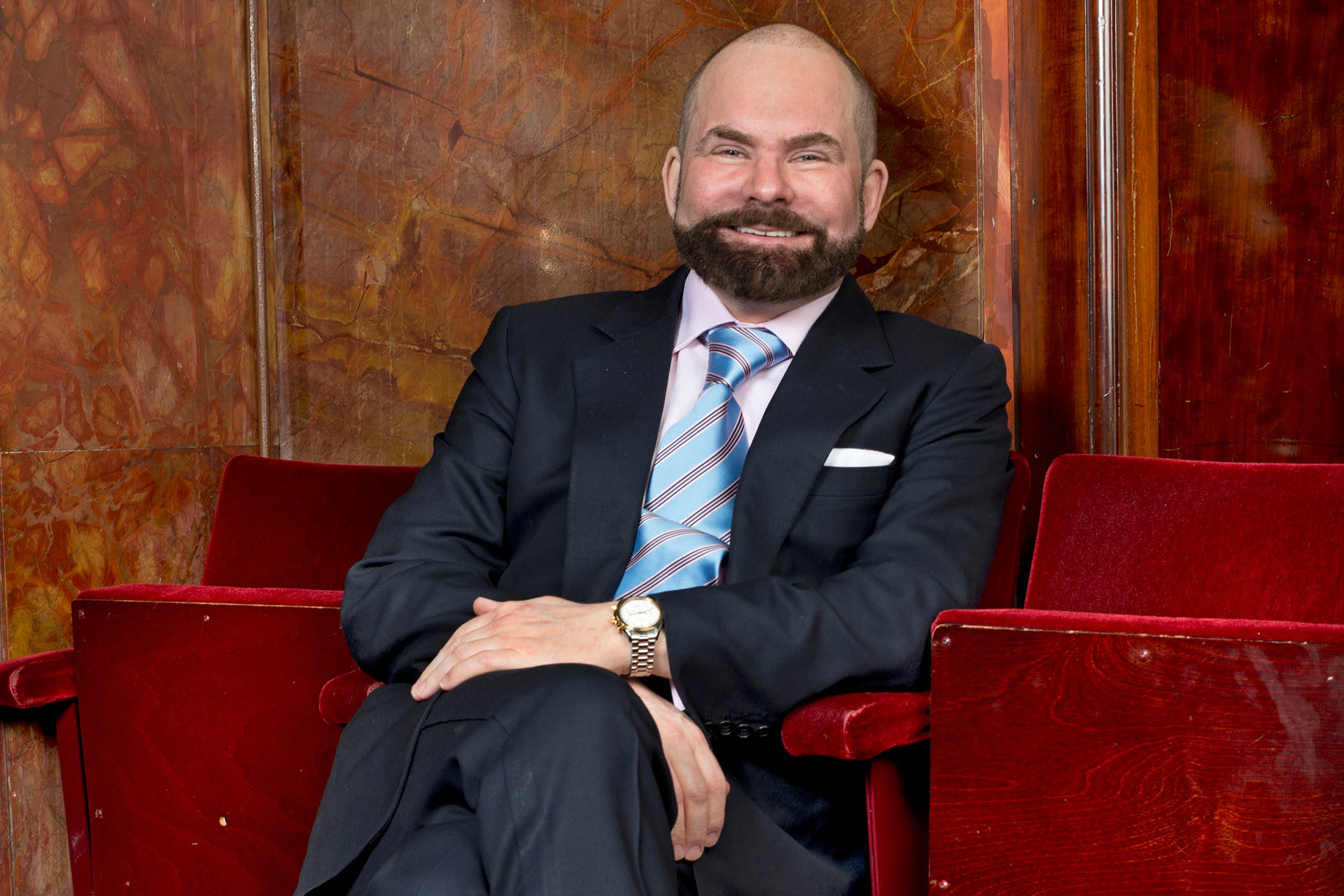
“It’s defied some of the great acousticians as to why it’s so good,” says the London concert hall’s artistic director John Gilhooly, 52. “But for the voice or strings, which is most of what we do – and even wind – the reverberation of the sound bouncing off the back wall creates a sound that means no matter where you sit, you’re getting a magnificent aural experience.” This is also a boon for the performers, Gilhooly says, as it allows the artists “to take risks, they tell me, in ways they don’t in other halls, because they can hear themselves in a particular way”.
These acoustics are just part of what has made Wigmore Hall a coveted destination for performers and audiences for 125 years, an anniversary the hall will celebrate in a special programme this spring that includes the Norwegian soprano Lise Davidsen performing Schubert and an evening that will replicate elements of the venue’s first ever performance, featuring Beethoven and Bach. The date is also being marked by a new book, There is Sweet Music Here by Julia Boyd, that details the history of the hall – which was originally Bechstein Hall, changing its German name during the first world war – alongside the always-in-flux city around it.
Gilhooly became artistic director in 2005, then making him the youngest head of a classical venue globally, at age 32. He was born and grew up in rural Ireland, and studied singing as a tenor. It was in the early 1990s, when he was still living in Ireland, that he first visited the hall to hear the prominent baritone Thomas Allen sing a programme half in French and half in German. “I didn’t expect it to be so intimate,” Gilhooly says of his first encounter with the space.
At just 550 seats, Wigmore Hall is far smaller than London’s other major classical venues, the Barbican (1,940) and the Royal Festival Hall (2,700). But the Wigmore is not a hall for orchestras, instead programming chamber music and song recitals. It is “the place where the great artists of the world come to earn their credentials and then reinforce them over time, and then maybe say goodbye here as well”, Gilhooly suggests, having earlier recounted the story of the Polish-American pianist Arthur Rubinstein, who gave his final concert at Wigmore Hall in 1976.
Many of the other venues Boyd describes opening in the years around 1901 no longer exist, and Wigmore Hall has in previous decades been at risk of demolition. How has it managed to not only keep its doors open, but to be the only classical venue in the world – according to Gilhooly – putting on 600 concerts a year?
The major challenge has been ensuring the financial viability of a venue committed to classical, as opposed to popular, music during a period of economic precarity. The hall “was not financially secure when I took over,” Gilhooly says, but over the last couple of decades he and his team have expanded both the hall’s public appeal and its pool of donors so that now its finances have “never been so strong”. He has the numbers to back this up: “Ticket sales for the autumn – we’ve just gone on sale for September to December – have gone up 25 per cent year on year.”
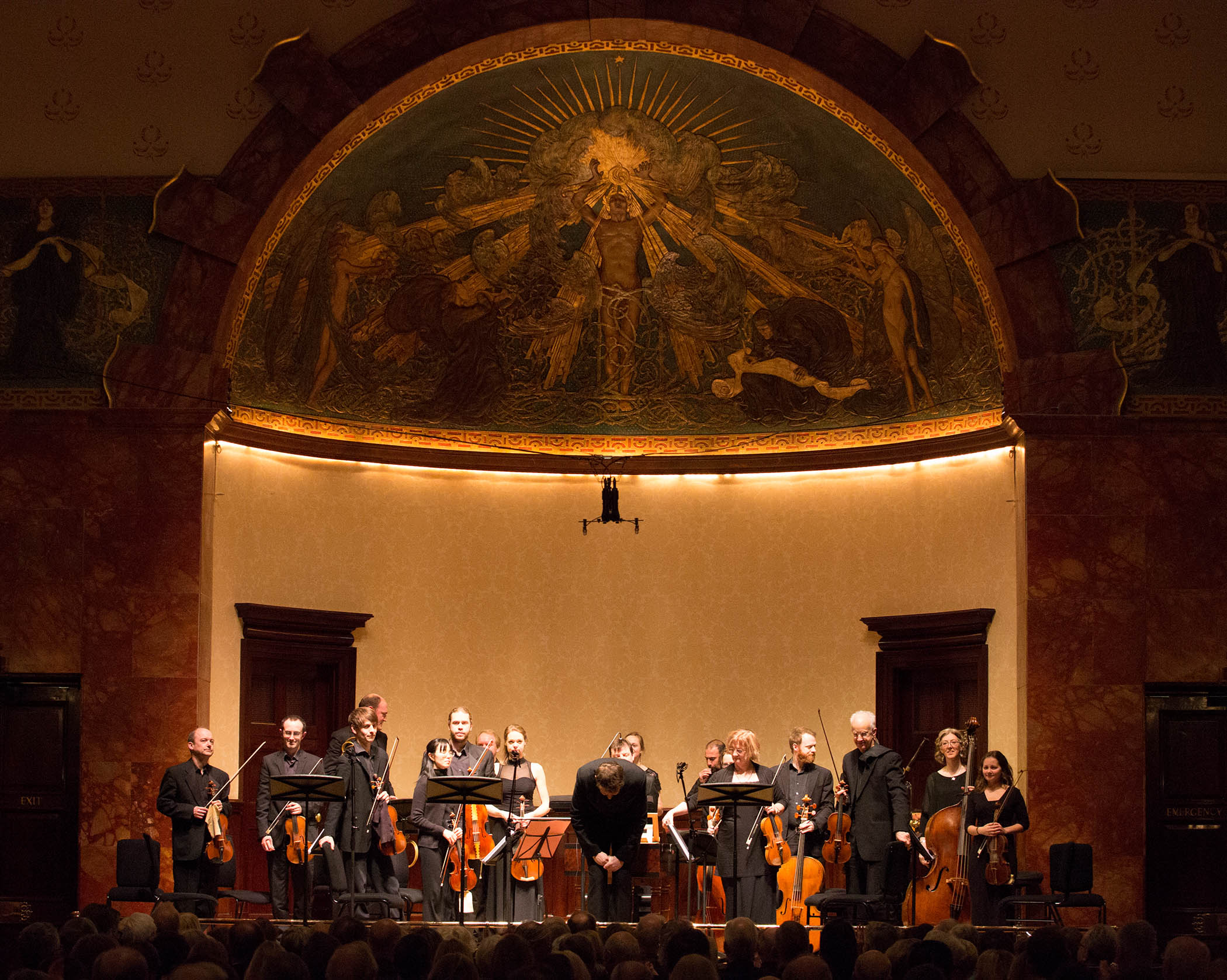
‘The place where the great artists come to earn their credentials’: Mozart is performed under the vaulted ceiling of Wigmore Hall
This is particularly impressive given the hall’s recent decision to withdraw from public funding. “We had a little divorce from the Arts Council,” Gilhooly says, a process that was completed in 2025. The success is also in part thanks to the hall’s commitment to bringing in new, younger audiences. For a decade it has offered £5 tickets to under-35s, which Gilhooly says has in some years enticed more than 25,000 visitors annually in this age bracket, with about 40% of them returning at least a second time. The discount means Gilhooly’s team have to fundraise especially hard to make up for the lost income, “but it’s worth it in that, if you’ve got several hundred of [the young crowd] in, it transforms the atmosphere on an evening.”
What’s more, “it’s encouraged the established audience to give more because they see a genuine future” for the hall, creating habits of long-term generosity. He tells of one couple who made the most of the under-35s scheme when it started a decade ago because without it “they couldn’t afford the seats and the babysitter”. Today, “they’ve got big city jobs and are giving us £50,000 a year”.
Gilhooly hopes to replicate its success with the launch of a new scheme for even younger audiences: from September the hall will offer more than 5,000 free tickets for under-25s. He finds that such audiences are interested particularly in solo piano performances – such as those by the young Korean star Yunchan Lim – alongside, perhaps more surprisingly, Palestrina and Victoria masses. “Sacred polyphony is maybe an easier entry for some, so they come in and then they graduate to the more difficult repertoire.”
Newsletters
Choose the newsletters you want to receive
View more
For information about how The Observer protects your data, read our Privacy Policy
In the evenings, Gilhooly often hangs around in the grand, red-carpeted foyer to greet concertgoers as they enter. It’s from this position that he has noticed the greatest change since he joined the venue. “There was a time when I could walk in and know half the audience personally,” he says. “That’s gone. That’s a good thing. When somebody stops for a chat and I’ve known them for 10 years, that’s great. When somebody stops and says, ‘Where’s the restaurant?’ or ‘Where are the loos?’, that’s even better.”
Wigmore Hall’s 125th anniversary festival opens on 25 May. There is Sweet Music Here: The World of Wigmore Hall by Julia Boyd is published by Elliott & Thompson
Photograph by Sophia Evans for The Observer, Richard Saker