If you ever doubted the extent to which music impels the action in opera, try the closing minutes of Mozart’s Le nozze di Figaro (1786). All the knots have been untangled. The countess has forgiven her sleazy count. The day of torment, of “caprices and follies”, is at an end. Then for three bars, mere seconds, the singing stops, the pace slows. With a simple device of falling strings and suspended woodwind, Mozart somersaults back to one of his favourite keys – a triumphant D major – and whips up a frenzied chorus to conclude. It’s as if the entire opera spins on this brief moment of harmonic alchemy.
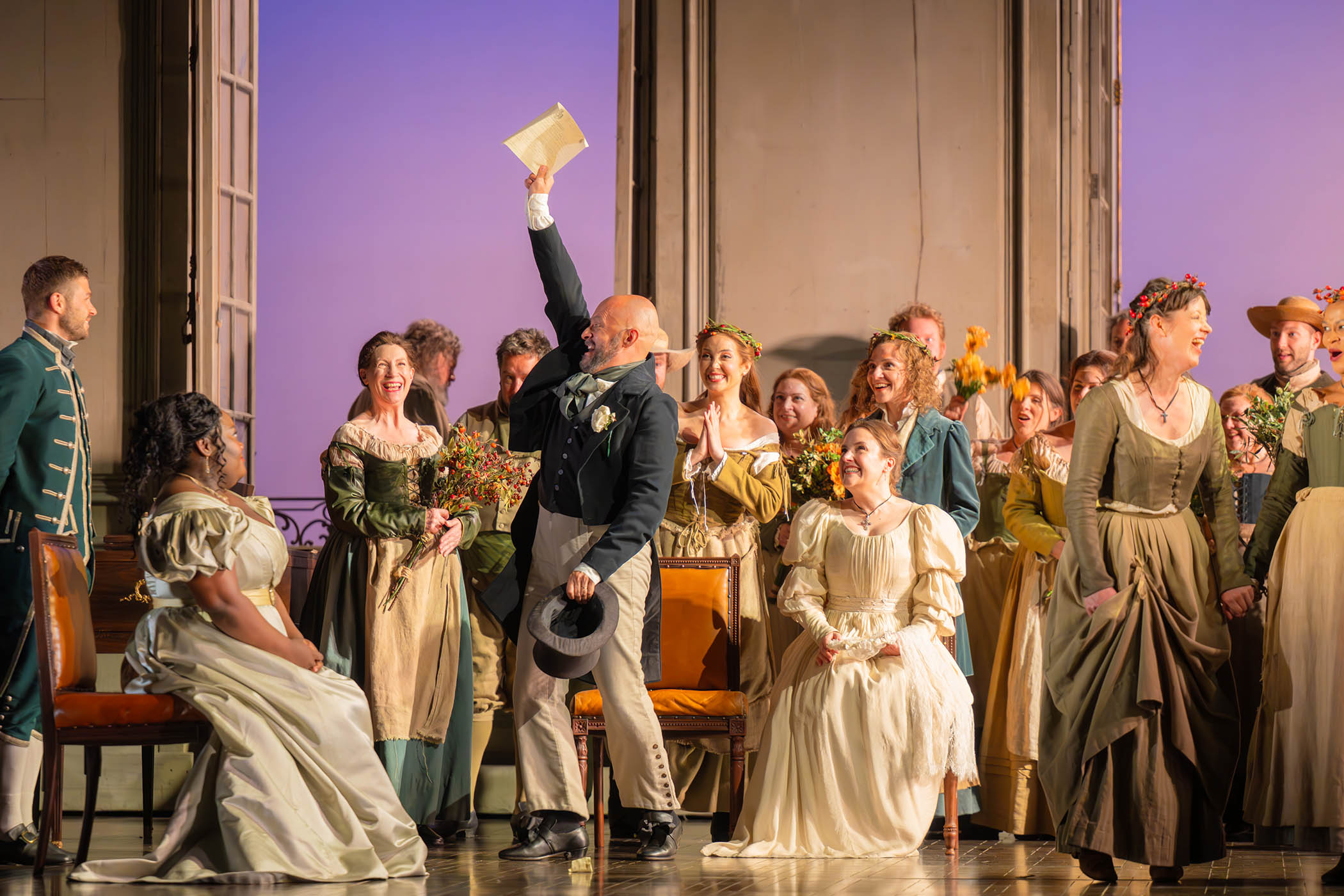
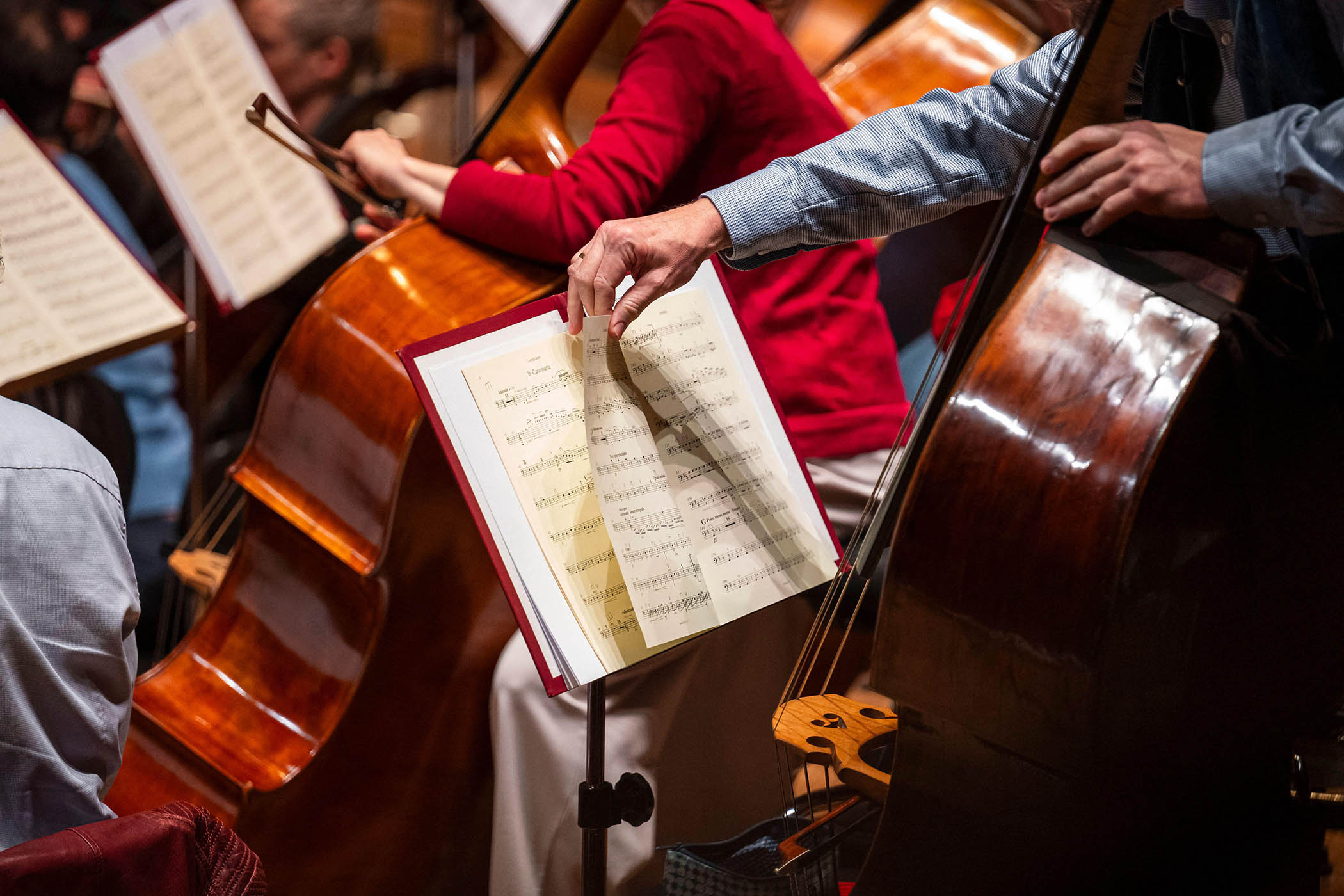
In the Royal Opera’s handsome 2006 staging by David McVicar, now back under the baton of Bertrand de Billy, that magical transition stood out. It could hardly be more familiar, yet its potency struck as if for the first time. Cast and chorus were strong throughout, but the orchestra in particular was on fire, spirited and vigorous. This music is under their fingers, in their veins.
McVicar’s production (revival director Leah Hausman) at once aligns and disrupts Mozart’s dense musical geometry, mirrored in Da Ponte’s libretto. Humour teeters on farce but is held in check. In Tanya McCallin’s designs, action takes place a quarter of a century after the opera’s date of composition. The count and countess’s ever-present staff sweep, polish and feast on gossip. Paule Constable has shafts of sunlight fall elegantly through tall windows.
Coordination between stage and pit was at times slightly rocky last week, as everyone struggled to keep up with the ceaseless activity. But better that way than staid and careful, which can suck the vital air out of this long work. Alex Esposito’s canny, agile Figaro and Andrey Zhilikhovsky’s oily count were well matched by Louise Alder’s witty Susanna and Masabane Cecilia Rangwanasha’s dignified countess. De Billy held it all together with pep and energy. There are five performances left. Go if you can.
For all its reliance on major works of the past, the Royal Ballet and Opera is, increasingly, also a place of experiment. While Figaro was playing upstairs, an ambitious four-day project about AI and opera – part performance, part debate, part consciousness raising – was unfolding down in the Linbury theatre under the heading RBO/SHIFT. It was masterminded by the company’s associate director, Netia Jones, who has always embraced technology in her own productions. I couldn’t attend the events but followed closely from afar. It’s a subject to return to, vital to opera’s future. This preliminary enterprise needs to be recognised. It puts RBO in the vanguard.
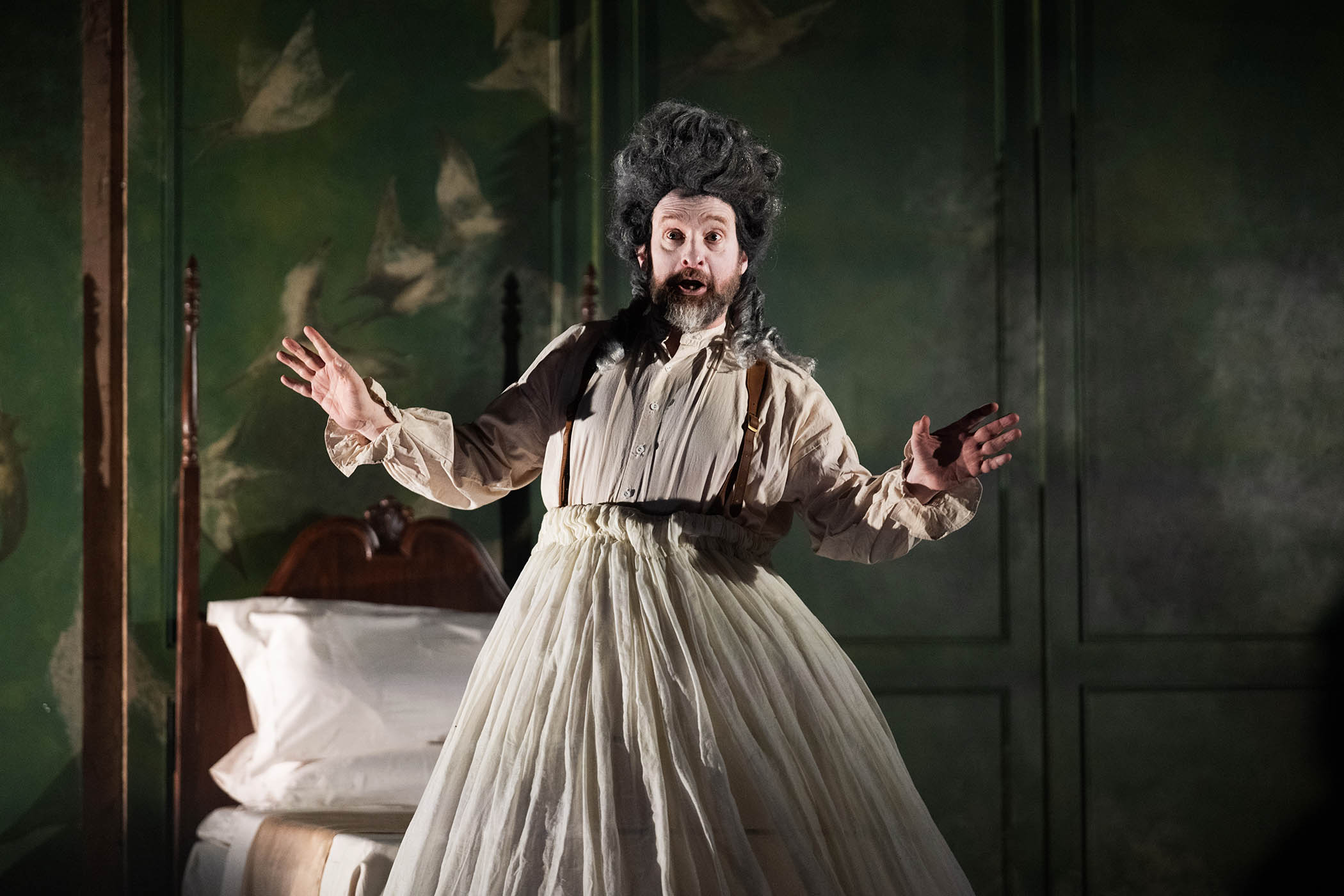
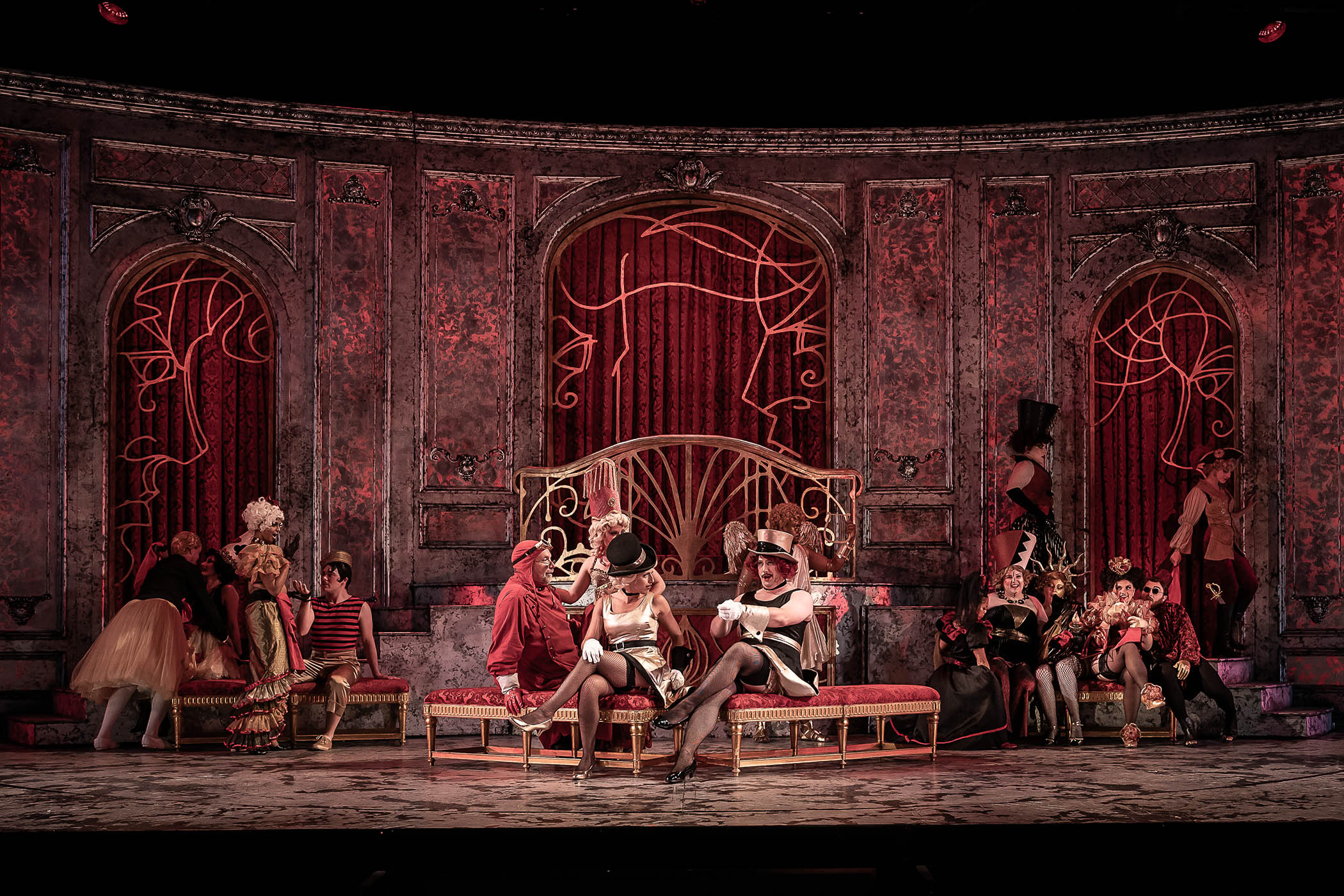
Andrew Foster-Williams in Orlando at Longborough Festival Opera. Main image: The Marriage of Figaro at the Royal Opera House
You may argue that founding an opera in an old chicken shed in the Cotswolds also falls into the category of pioneering, if not eccentric. In 1991 Lizzie Graham and her late husband, Martin Graham, a music-mad dreamer, founded what would become Longborough Festival Opera. This year’s season opened with a beautifully judged staging of Handel’s Orlando (1733), directed by Sinéad O’Neill, with the Academy of Ancient Music conducted by Christopher Moulds, and most of the terrific five-strong cast making debuts. Playing and singing were lithe and characterful.
This lesser-known work is oddly static despite the presence of a magician (Andrew Foster-Williams), an errant queen (Anna Devin), her lover (Katie Bray), a love-sick shepherdess (Kelli-Ann Masterson), a full-blown mad scene and murdered lovers restored to life. The mezzo-soprano Beth Taylor, a former Longborough emerging artist, brought every colour and inflection to the title role in a star performance.
The festival has grown in distinction over the decades, with a worldwide following for its Wagner productions (next year, Die Meistersinger von Nürnberg). A combination of seriousness and informality are key to its charm. This is where you may encounter someone wearing a horned helmet and tabard as a dinner jacket (Wagner fans have a keen dress sense) or a woolly jumper and cagoule.
Writing in the programme, Graham expresses the UK’s opera dilemma simply: “We are all expected to do more and more with less and less.” Through extensive year-round outreach programmes, Longborough – like Grange Park Opera, Garsington and others – is educating musicians and music lovers of the future. Martin Graham started out as a builder’s mate. He fell in love with music when an elderly neighbour played him a Schubert song. We might think of that when we write off country house opera as elitist.
The Marriage of Figaro is at Royal Opera House, London WC2; until 2 July
Newsletters
Choose the newsletters you want to receive
View more
For information about how The Observer protects your data, read our Privacy Policy
Orlando is at Longborough Festival Opera; season runs until 8 August
Photographs by Mihaela Bodlovic, Matthew Williams-Ellis