Portrait by Sophia Evans
It’s a weekday evening in London’s Soho and the audience at Ronnie Scott’s – cocooned on plush sofas, cocktails in hand, table lamps dimmed – are enjoying the swell of music from the ensemble a few feet away. They’re playing Vivaldi’s Four Seasons.
Vivaldi’s Four Seasons? Since it opened in 1959, Ronnie’s has been one of the world’s best-known jazz clubs, graced by the likes of Ella Fitzgerald and Miles Davis in their time, and by stars including Nubya Garcia, Christian McBride and Pat Metheny today. But now, for the first time in the venue’s history, classical music will be a weekly fixture: from 9 February, “Classical Mondays” will take place every week in the sleekly refurbished upstairs bar. As well as Vivaldi, there’ll be Bach, Astor Piazzolla and Florence Price – Ronnie’s even has a new group, the Classical All Stars, alongside its longtime jazz All Stars band.
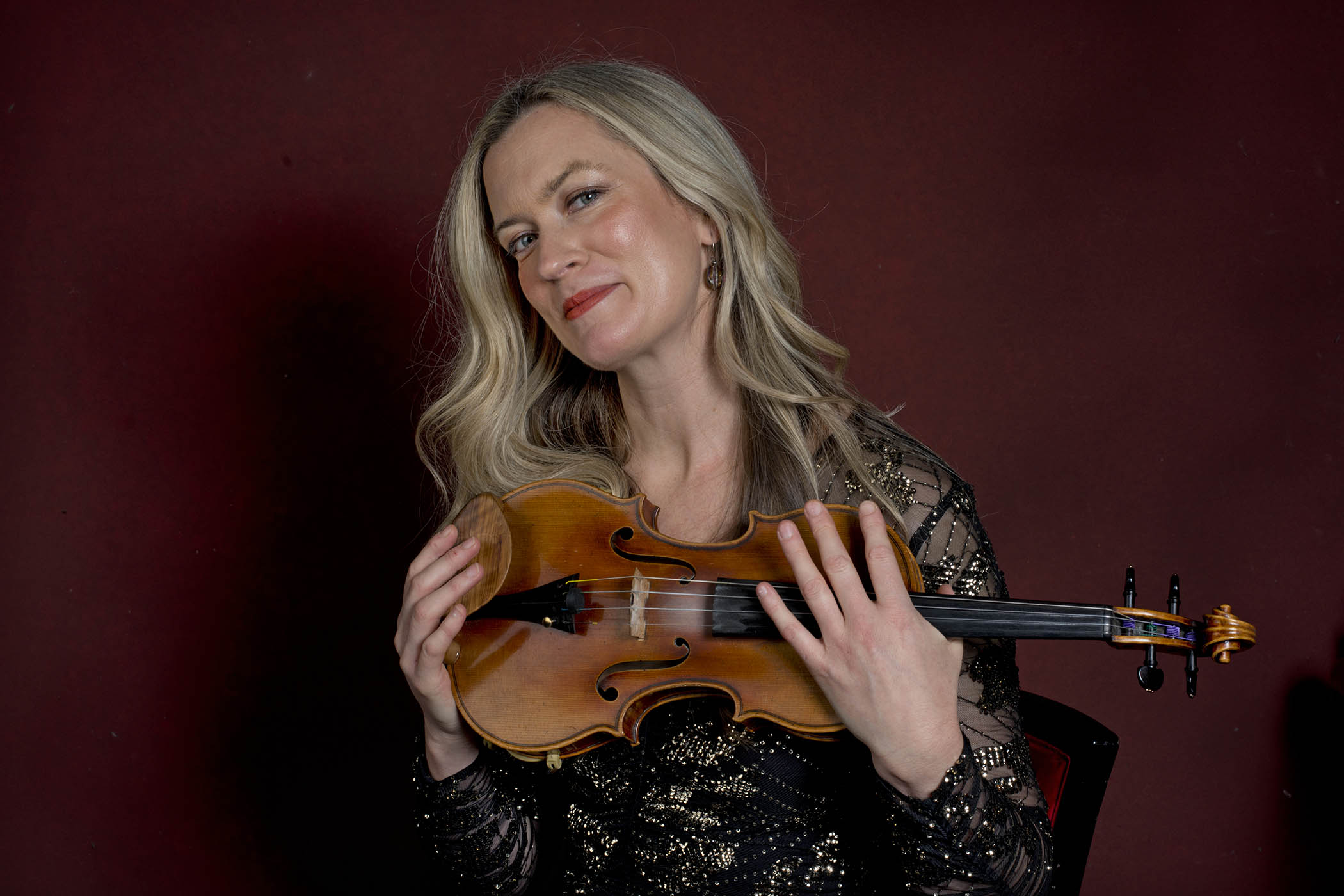
It’s the culmination of a longstanding dream for violinist and vocalist Lizzie Ball, working in conjunction with the club’s artistic director, James Pearson. Ball, 44, first pioneered Classical Kicks at Ronnie’s in 2012: an upbeat, feelgood, chat-interspersed take on the concertos and symphonies audiences are more used to hearing in cavernous concert halls, transferred to a venue that’s cosy, intimate, and dotted with waiters proffering drinks and plates of truffle risotto. “It’s a new feel for classical music – a salon experience, in a luxurious art deco space,” says Ball. “It’s how classical music was delivered in the past, in domestic drawing rooms. It’s the perfect space for performing these pieces.”
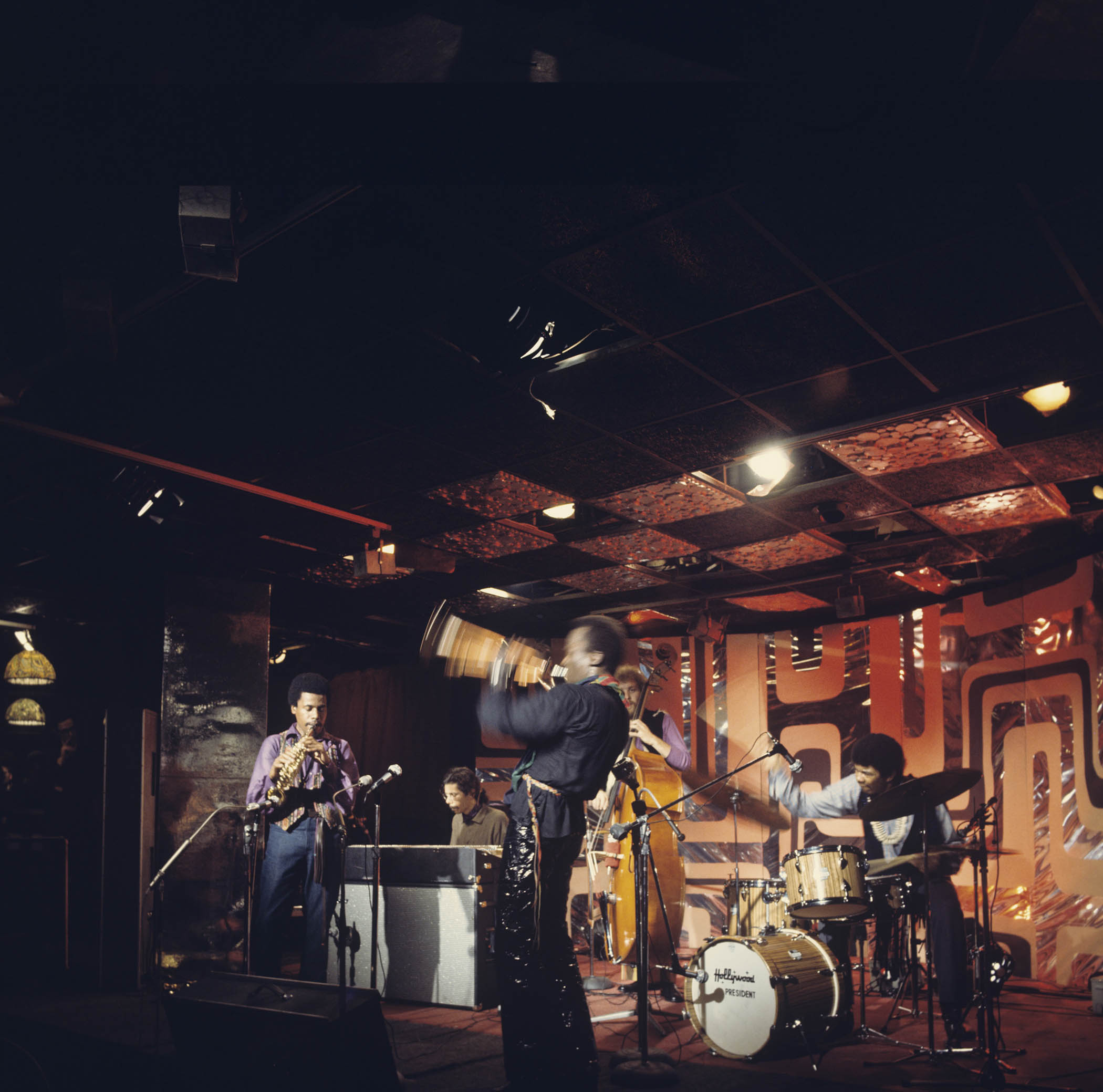
Miles Davis performing at Ronnie Scott’s in 1969
Ball, who is infectiously upbeat, is keen to replace stuffiness with comfort and fun. At Ronnie’s, she says: “The audience will feel like they’re hugging us, they’re so close, and I’m as excited about how the musicians will find it – for them too, this is going to be very different.”
Ball – who will be curating the programme alongside Pearson, and appearing in many of the performances – believes they’re reflecting a new musical moment.
“Classical music is going through a much more open and diverse phase. The pandemic shut down classical music for a year or more … When it came back, people were looking for something different, more connection.”
The first classical offering at Ronnie’s will include a performance of Gershwin’s Rhapsody in Blue. “It was written for a huge orchestra, but here we’ll be a handful of musicians playing the whole thing,” says Ball. “It’s going to be great, but we know we’ve got to go beyond Gershwin. We’ve got to be bold.”
Another feature of the Monday nights will be personalities introducing the classical music that shaped their lives. First up is actor Juliet Stevenson; others in the lineup include the James Bond theme composer David Arnold and Harriet Constable, author of the bestselling novel The Instrumentalist.
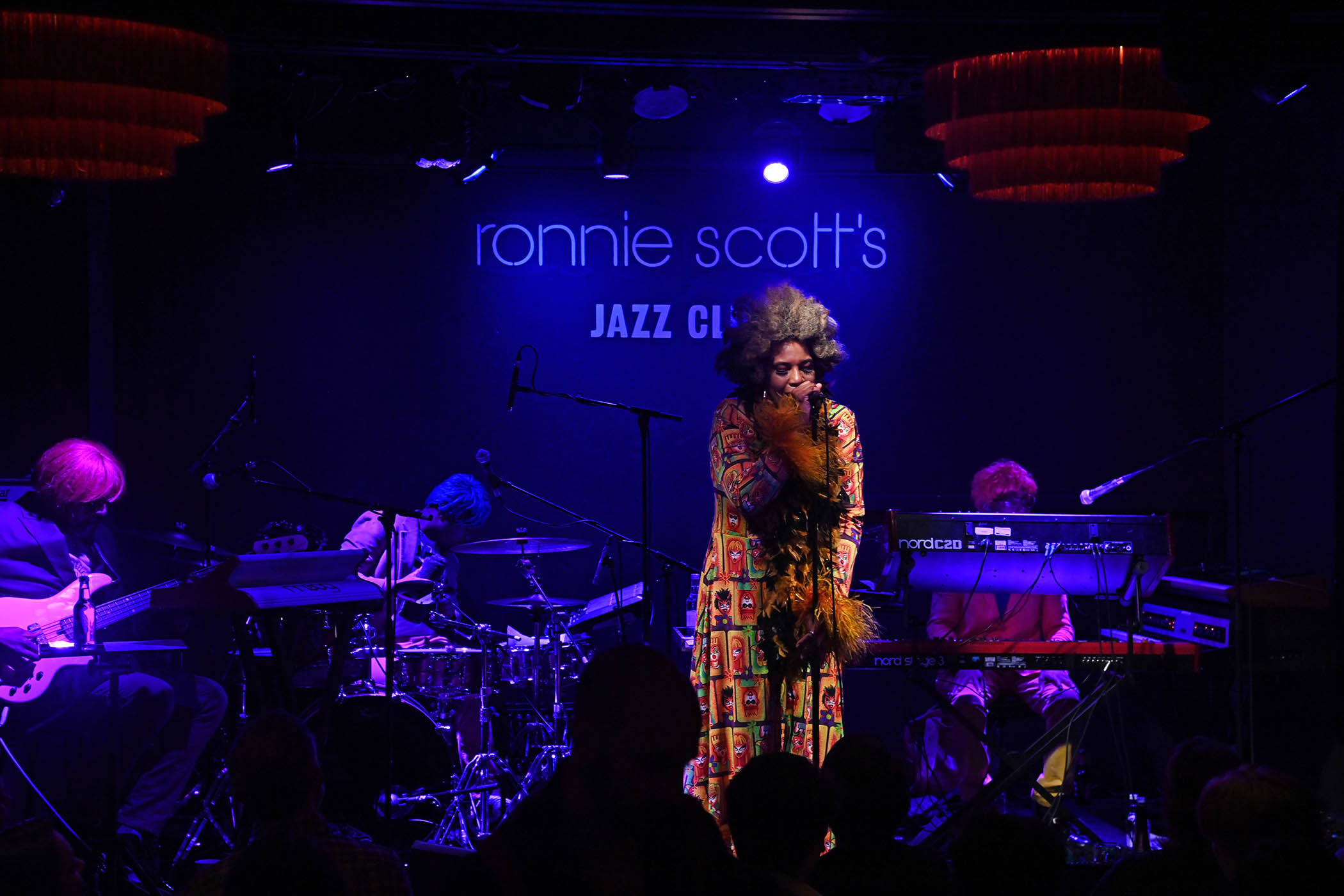
The club has also hosted pop stars such as Macy Gray
For Ball it is an emotional moment for many reasons. She found herself facing disaster when the pandemic hit, despite having established herself as a sought-after performer – she led the orchestra for Hugh Jackman’s 2019 European tour, spent eight years as concertmaster of Nigel Kennedy’s Orchestra of Life, and was in both Jeff Beck and Brian Wilson’s touring bands .
Newsletters
Choose the newsletters you want to receive
View more
For information about how The Observer protects your data, read our Privacy Policy
“My career was in its darkest place due to lockdown: all live music was gone and it was hard to know how long it would be until it came back. I was 39 years old, in a relationship that was going nowhere. I’d for years been hoping to have a child, but my work was a disaster for relationships; I was travelling the world, I’d meet someone new and, three days later, I’d be heading off to the other side of the planet.”
A few months earlier, she’d been to see a doctor about the possibility of having a baby on her own. “He said: ‘Don’t do it until you’re hammering on the door.’” Ball decided it was the right time to hammer. “Now, though, my doctor said, fertility clinics are closing. Everything felt incredibly bleak. But sitting on my own at home, I realised there was something I could do: I got out my laptop and started searching online for a sperm donor. I went with my gut feeling about the man, bought two straws of his sperm and asked the clinic, which was in Denmark, to hold on to them until the pandemic eased.”
It’s how classical music was delivered in the past. It’s the perfect space for performing these pieces
It’s how classical music was delivered in the past. It’s the perfect space for performing these pieces
In early 2021, as clinics reopened, she decided to try IVF. “And in my very first cycle, I got pregnant. I still didn’t have any work, and I had no idea how I was going to parent this child on my own: but the test was telling me it was positive. I shook with excitement for about two days.” Her son, now four, arrived by caesarean section to the sound of Sébastien Tellier’s dance track La Ritournelle. “It was the biggest concert of my life – better than playing at the Royal Albert Hall, better than playing to a packed Madison Square Garden, better than anything.”
Ball loves her life with her son, but raising a child alone alongside her job is tough. “What I do requires me to turn up. If my kid is ill, there’s no one else to look after him. But we muddle through. I’ve continued touring; my son has been with me to Norway, to Italy, to Spain.”
Ball is already introducing her son to music and taking him to concerts; her own love of music began in her childhood, and she’s well aware of the importance of early influences. She grew up near Sheffield and her father was a jazz pianist. “My earliest memory is when I was about four years old, tinkling the piano notes I liked the most.” Her dad left the family home when she was about six, but the piano stayed. “Mum’s a huge music fan – she loves the Beatles, opera, Madame Butterfly – and Dad would send me cassettes: Herbie Hancock, Mozart, Nigel Kennedy,” she says.
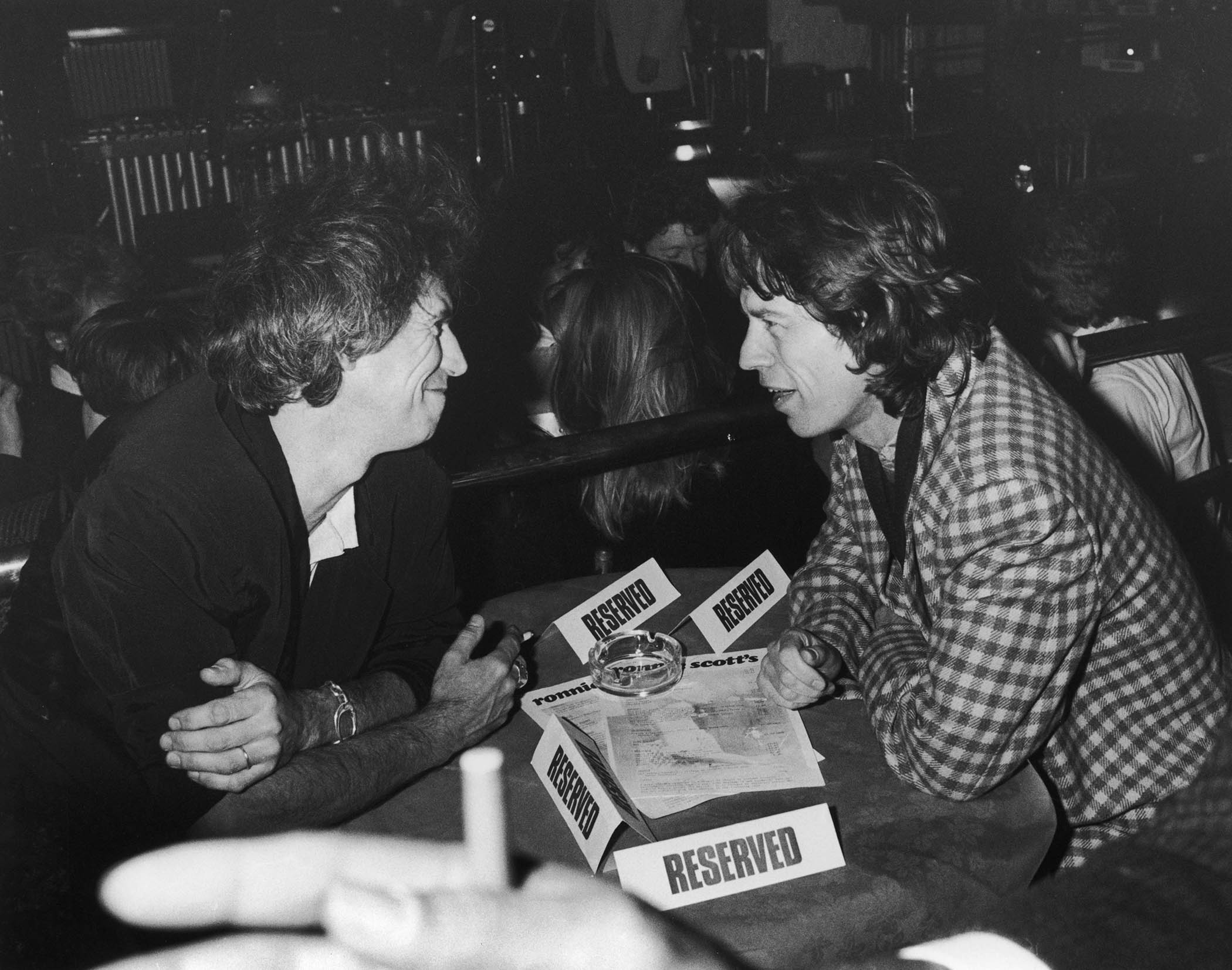
Keith Richards and Mick Jagger among the audience in 1985
Kennedy was a huge inspiration and, later, a friend and colleague. “I remember as a teenager being in the cheap seats in Sheffield City Hall, and grabbing hold of the railings as Nigel Kennedy, wearing his Aston Villa shirt and with his crazy hair, encouraged us all to clap along to Vivaldi’s Four Seasons. He was the guy who came on stage to do classical music not wearing black – his whole approach was an explosion of liberation.”
A few years later, as a Cambridge undergraduate, Ball studied classical music alongside Latin American styles. “And I remember thinking: ‘How can these two meet? How do you merge them?’”
The answer to that question is in what’s coming up at Ronnie’s in the new 140-seater room. Fred Nash, the club’s manager, says: “It’s classical for people who didn’t even know they liked it, as well as those who will be well versed in it but like the idea of it being performed in a jazz club while they drink wine and eat dinner.
“Beethoven’s symphonies are usually performed in spaces 100 times bigger than ours, across the space of a whole evening; we’re offering them in 75-minute shows, in a very different setting – we’re starting a whole new genre.”
Ball hopes that “people who’ve been staring at screens all day will walk through the doors and come back to humanity, feel their shoulders drop. Because live classical music offers the full spectrum of emotions: elation, excitement, tears, laughter, all within a short space of time. And there are real people playing it a few feet in front of you. For a digital world, it’s the perfect antidote.”
Photographs by David Redfern/Redferns/Getty Images, Dave Benett/Getty Images, Dave Hogan/Hulton Archive/Getty Images
•
This article has been amended since publication. An earlier version stated that Duke Ellington and Louis Armstrong had performed at Ronnie Scott's. In fact, neither musician did so.