
Animal identification is not much called for in this manor. The Barbican mouse – common Mus musculus – quiet as the proverbial when it emerged in the aisles mid-concert, seems to have left. Anyone can recognise the cuckoo in Beethoven’s Pastoral Symphony (two clarinets, up down, in unison). Rimsky-Korsakov’s Flight of the Bumblebee, a nonstop buzzing and skittering of rapid notes, has a clue in the title.
This niche party game could run and run: the oboe-duck quacking in Prokofiev’s Peter and the Wolf, those brassy dog barks in Elgar’s Enigma Variations (No 11) and an entire aviary in the music of Messiaen. Janáček’s The Cunning Little Vixen (1924) is a different matter: a folk-inflected opera, based on a Czech newspaper strip cartoon, featuring animals who mirror humans. The music of vixen, cock, frog, with exceptions, is not concerned to mimic their natural calls and cries but to reflect, lyrically and vigorously, on human nature.
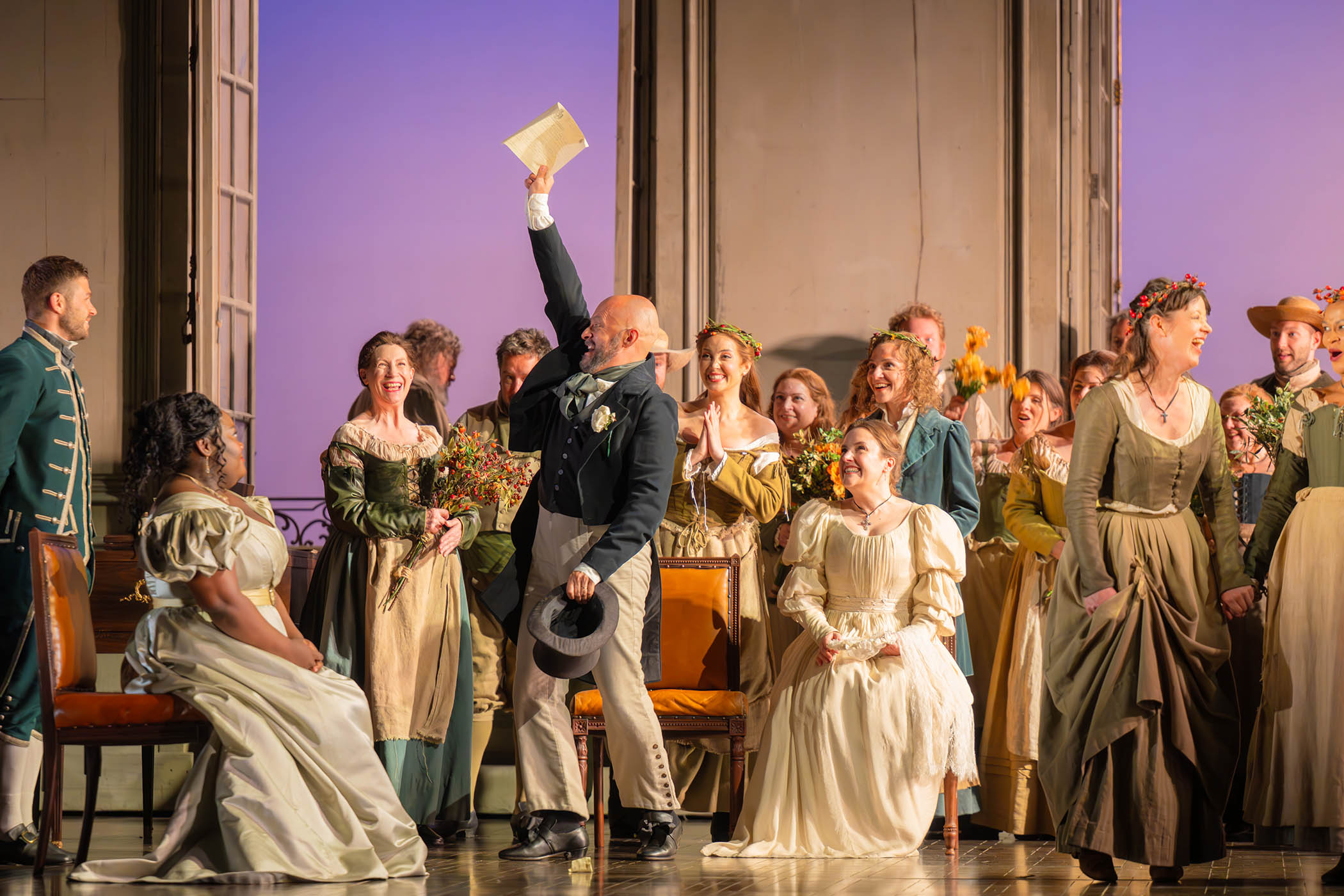
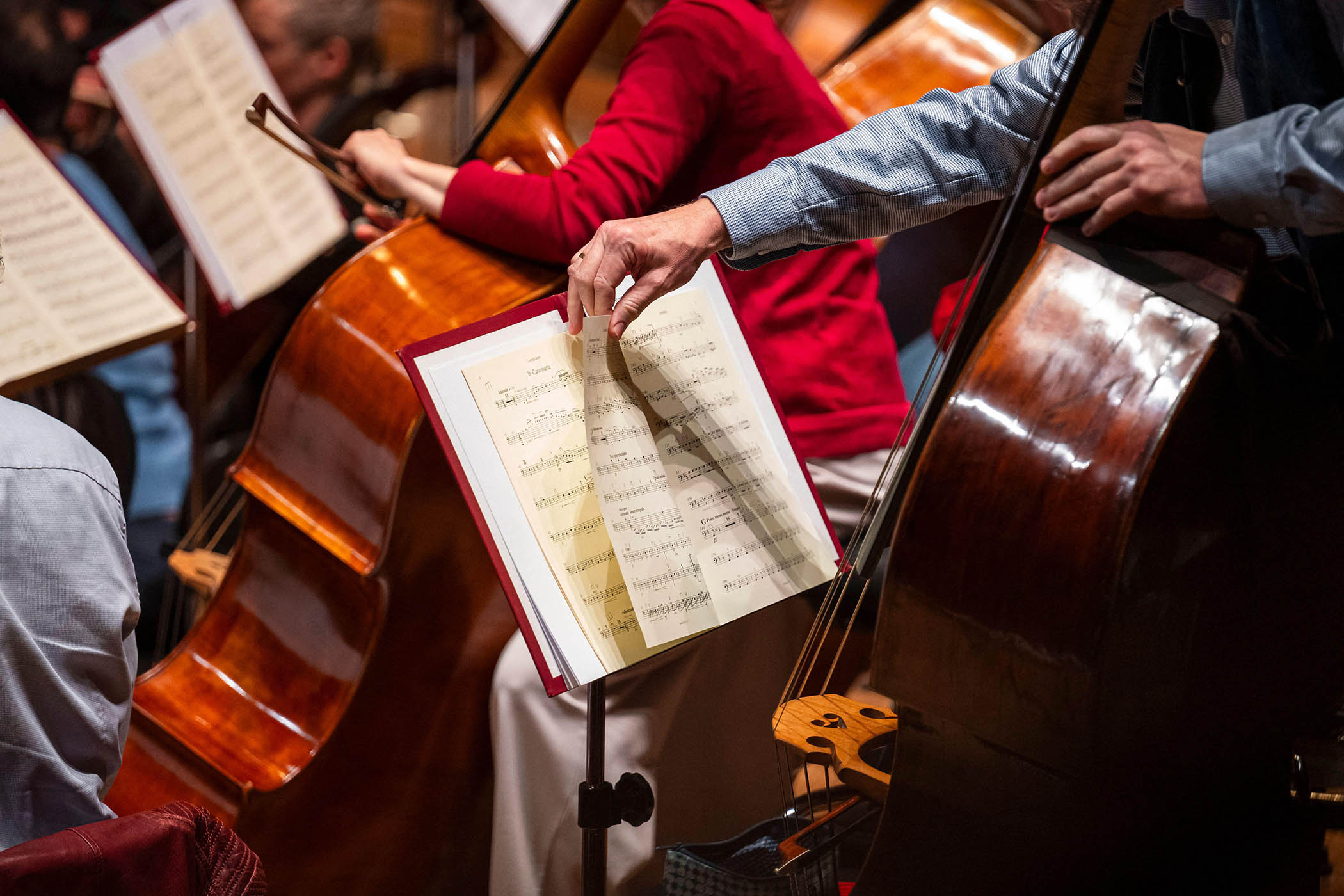
The Royal College of Music opera studio’s production of this cycle-of-life work found simple solutions in a beguiling staging, conducted by Michael Rosewell and directed by Orpha Phelan. Her experience – at Irish National Opera and elsewhere, harnessed to talented performers on the threshold of careers – led to spirited results. Guided by Rosewell, the RCM Opera Orchestra had mastered the score’s elusive idiom. The players’ youthful exposure to this music will ensure the UK’s current affinity with Janáček has a future.
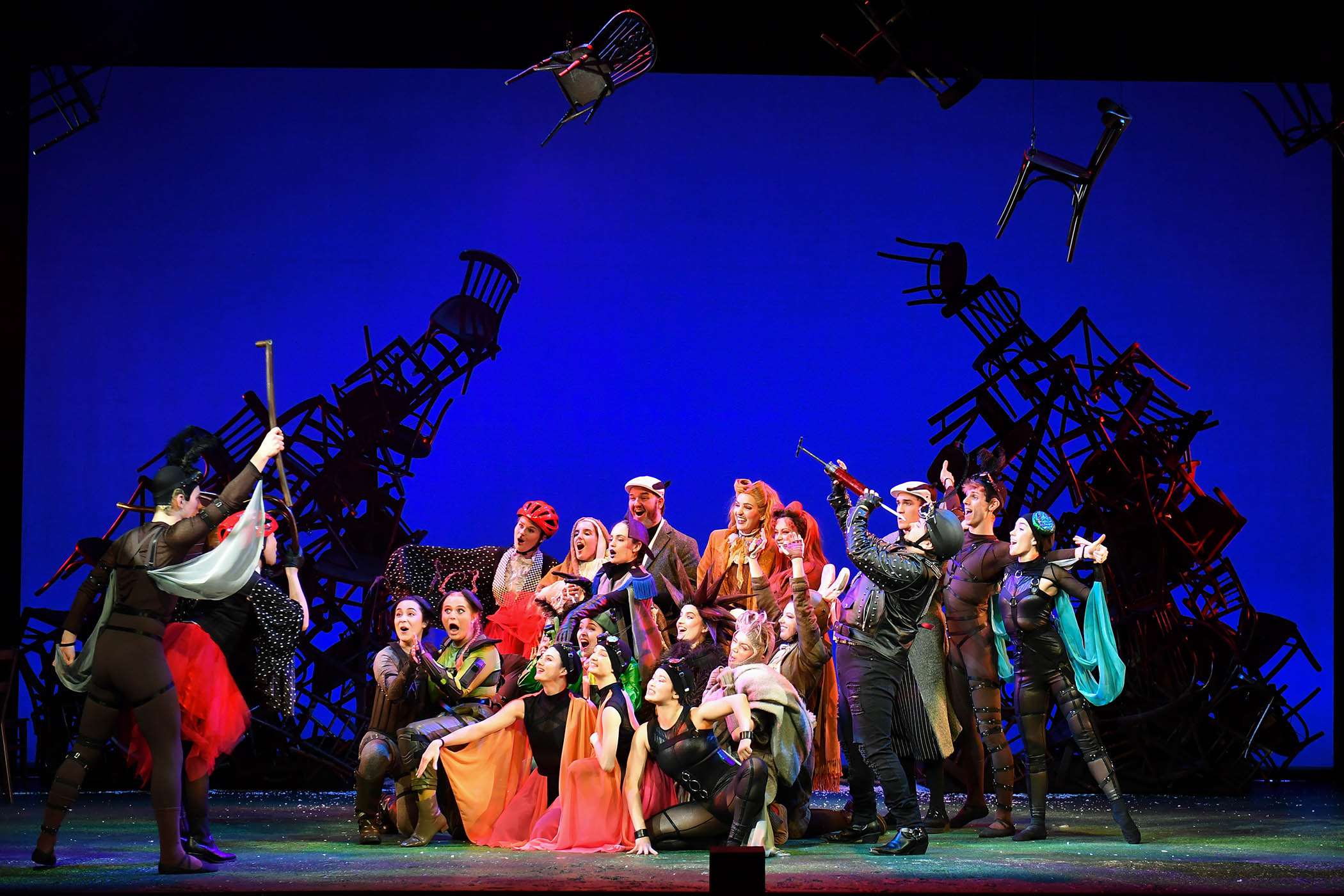
With dancers flitting diaphanously as flying insects and a cast of not always recognisable woodland creatures, the show had visual appeal as well as musical quality
With dancers flitting diaphanously as flying insects and a cast of not always recognisable woodland creatures, the show had visual appeal as well as musical quality
With Rambert dancers flitting diaphanously as flying insects (butterfly, dragonfly and the like, choreographed by Adam Haigh), and a cast of not necessarily recognisable woodland creatures, the show had visual appeal as well as musical quality. Nate Gibson’s designs (lighting Mark Jonathan) made clever use of a stack of wooden chairs: forest and humankind in close proximity. Witty costumes included a pair of – what? ladybirds? – in red shiny bike helmets and a mosquito in leathers and studs. Every member of the ensemble contributed confidently, with two impressive leads (in the first of two casts): soprano Charlotte Jane Kennedy as the Vixen and bass-baritone Edward Birchinall as the Gamekeeper are names to watch.
The RCM’s Vixen landed only a week after the Royal Academy of Music’s admired Carmen, from its own first-rate opera school. Look, too, at the quality of work at Guildhall School of Music & Drama, the Royal Conservatoire of Scotland in Glasgow, the Royal Northern College of Music in Manchester, the Royal Welsh College of Music & Drama in Cardiff and others. The UK has 11 specialist performance conservatoires, each with a distinct emphasis. All are battling almost impossible economic headwinds, national culture wars and government near-indifference. To survive, they need advocacy.
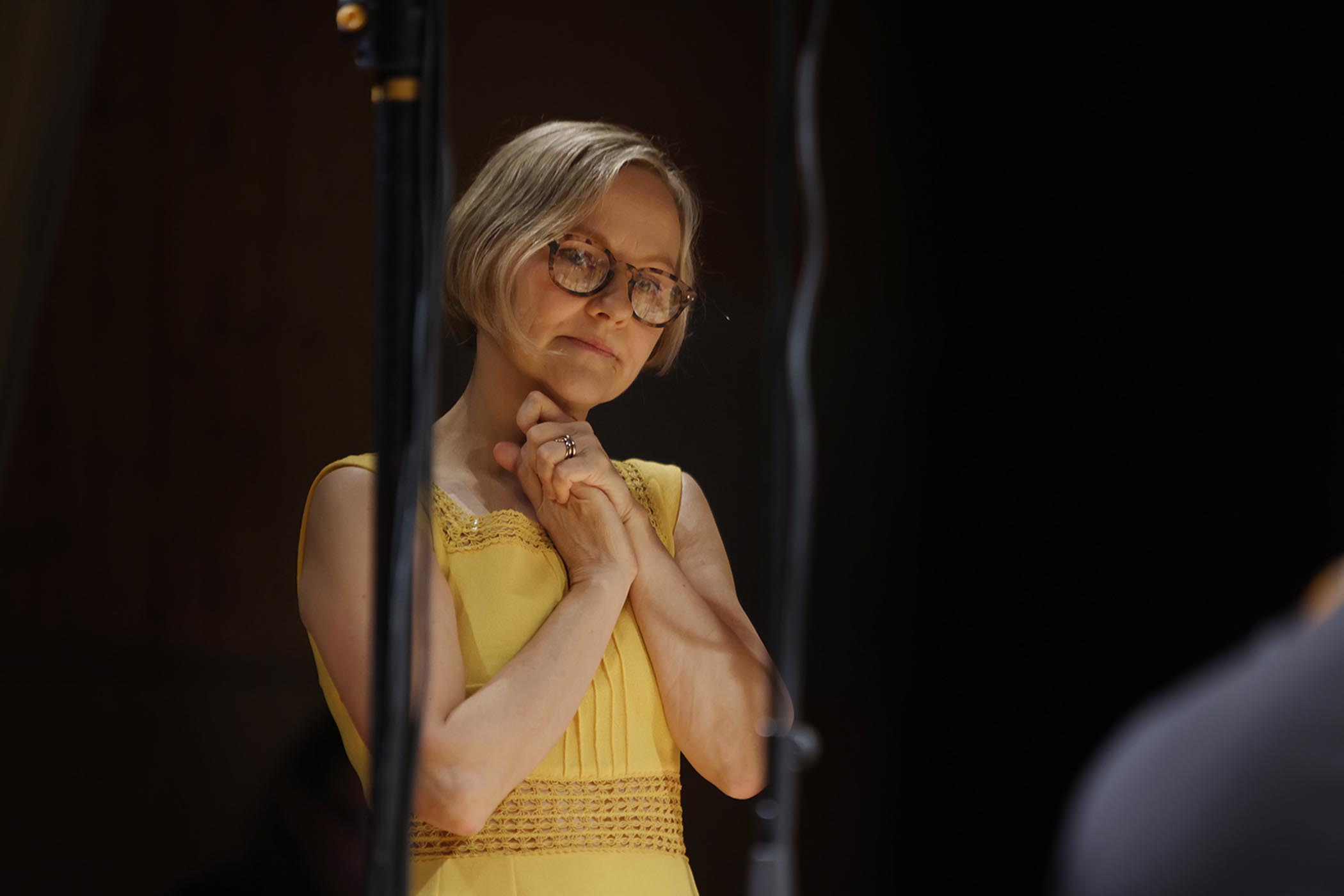
Finnish composer Lotta Wennäkoski
Exactly how they function and thrive is a bigger discussion. For now, revel in one fact. In the global rankings of performing arts schools in 2025, five out of the top 10 were British, with the RCM and RAM at Nos 1 and 2. That is to say, ahead of musical capitals such as New York, Vienna, Berlin, Paris, as well as the whole of Asia. The RCM and RAM, 19th-century foundations, have complementary ambitions. The former now has vital research ties with Imperial College; the Academy has a roster of international soloist alumni second to none. From these two institutions you could make a good start on a history of recent British music: Vaughan Williams, Britten, Birtwistle, Elton John, Rick Wakeman, three Lloyd Webbers, three Kanneh-Masons for a start.
Last week, plans north thwarted by cancelled trains, I unexpectedly caught two concerts at the Academy, focusing on the Finnish composer Lotta Wennäkoski (b 1970). She is not well known here, but her short, exuberant Flounce was a popular Last Night of the Proms commission in 2017. RAM chamber groups and the elite Manson Ensemble performed her works, the nucleus of two accomplished programmes. Events such as these – often free, at lunchtime and early evening – are a brilliant way to try out unfamiliar music as well as opera. Anyone musically curious should check the What’s On sections of UK conservatoire websites. If they’re to develop, young musicians need audiences, not just fellow students and teachers but the world beyond. That’s us.
Photographs by Chris Christodoulou/Maarit Kytöharju
Newsletters
Choose the newsletters you want to receive
View more
For information about how The Observer protects your data, read our Privacy Policy