
Last month Dave – the south London rapper born David Orobosa Omoregie – won his second Brit award in the hip-hop/grime/rap category. He was unable to claim it in person because he was prepping for this extended, sold-out tour, crowning a decade of success for an artist who has proved to be equally at home flexing or self-flagellating.
In 2020, Dave’s debut LP Psychodrama won album of the year at the awards. His latest outing, The Boy Who Played the Harp, is complex and refined in its depiction of a successful man named David struggling with the weight of his biblical namesake while watching the battle between good and evil playing out around him with fury and despair.
Dave’s God-fearing mother, a nurse, and his Nigerian pastor father named him after the biblical king. He, like David, is the youngest of his brothers; his musical talents are potent. David’s reign was tainted by violence and infidelity – something a wildly successful 27-year-old rapper from Streatham might recognise.
The musician’s 10-year rise has seen this sharp lyricist add self-reflection, empathy and fearlessness to the hip-hop foundations of wit and swagger. At 21, he tore into the political class live at the 2020 Brits, adding scathing verses to a track called Question Time, lambasting the authorities’ woeful response to the Grenfell Tower disaster and calling the then prime minister Boris Johnson a racist.
Dave has achieved both critical acclaim and huge popularity. Sprinter, his collaboration with Central Cee, broke UK hip-hop records for its long stint at No 1 in 2023. Tonight, this gleeful brag about how many women can fit into an expensive sports car is met with the sound of 20,000 people rhyming along.
Dave questions everything: his success, his lifestyle, even his tendency to introspection
Dave questions everything: his success, his lifestyle, even his tendency to introspection
What is telling is how many fans can match Dave syllable for syllable even on the newer, knottier tracks on Harp. Selfish is one. Joining his live band on electric guitar, Dave questions everything: his success, his lifestyle, his suitability as a partner. It’s harrowing. “What if I’m poison? What if I’m cancer?” he mutters, eyes shut, his voice low in the mix against the guitars but amplified by the fans. It happens again on the LP’s title track, when he wonders whether he would have done the right thing at various points in history, then talks of his fears for his career if he speaks out on Palestine.
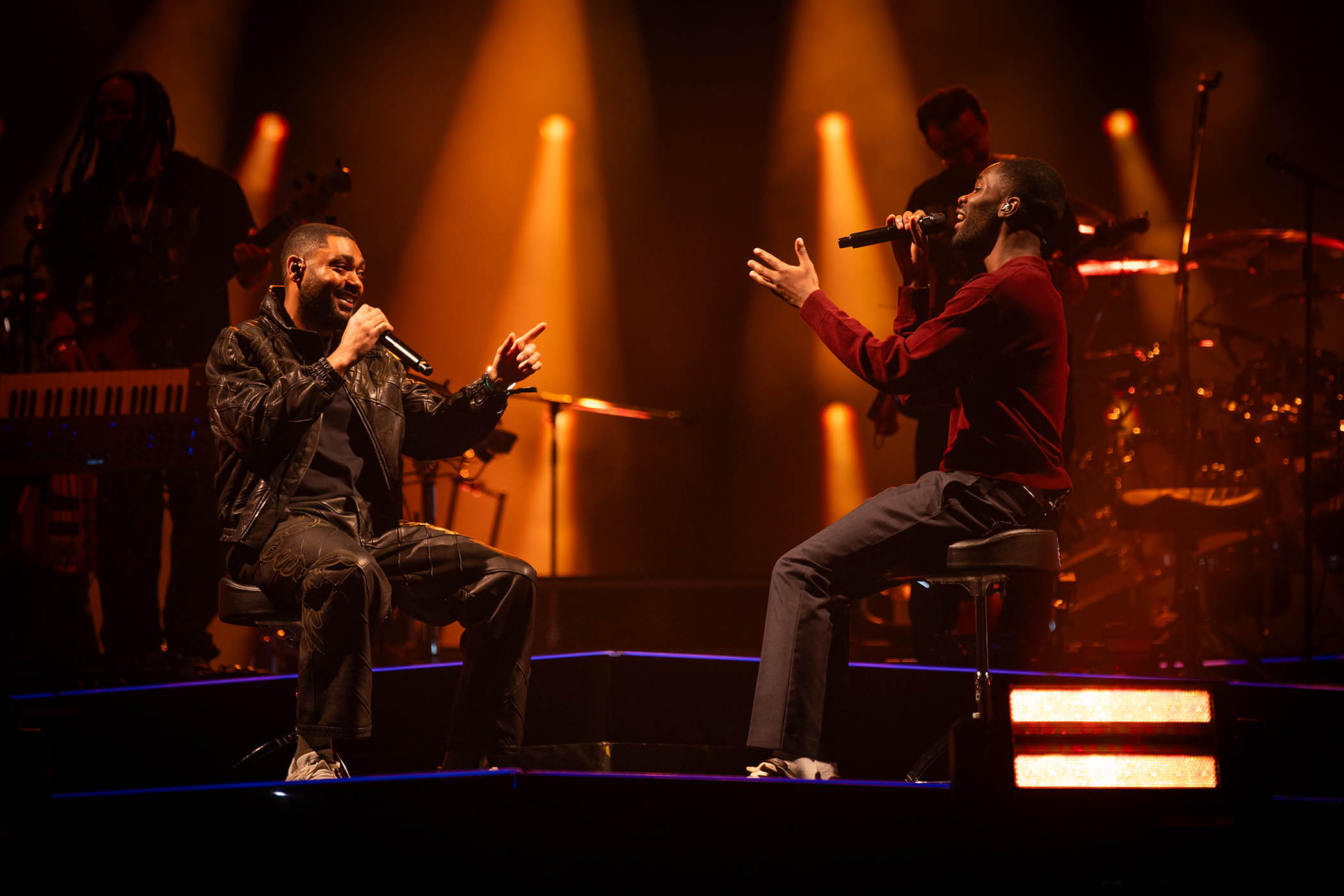
This show is largely about one man’s struggle between making red-blooded party anthems and deep, culturally potent work. But it’s not a one-man show. The rapper’s O2 run has already made headlines for its top-tier guest appearances. Night one featured multiple interventions by James Blake, whose tremulous vocals and delicate piano feature on Harp. Night two saw appearances from both Stormzy and Tems, the latter singer’s dulcet tones lighting up Raindance. Named after an engagement ring design, this lovey-dovey track is the fan favourite from Dave’s otherwise sober third album. (The internet is manifesting that Dave and Tems become an item.)
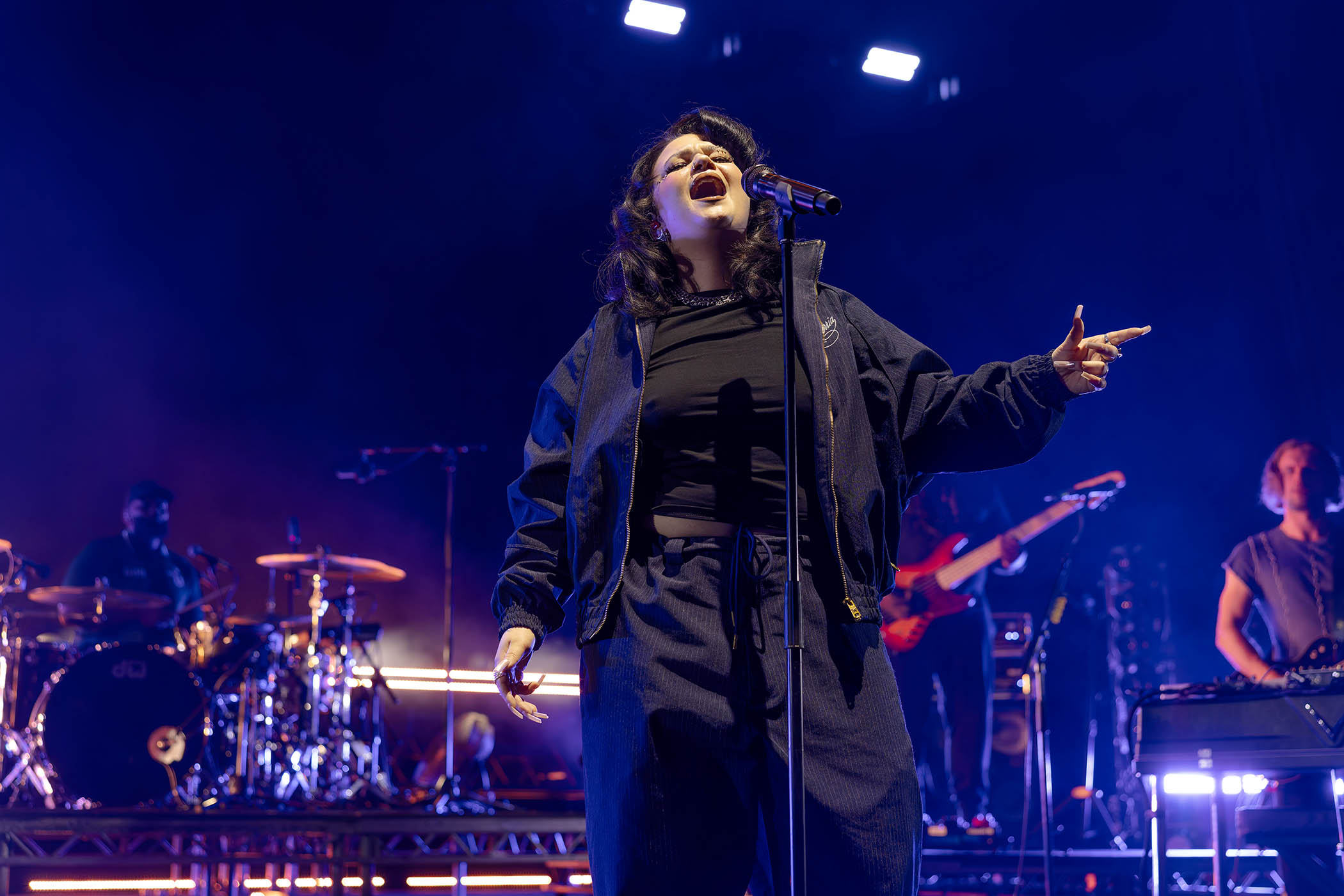
On night three, Dave brought out Jim Legxacy, the younger rapper you may patronisingly call Dave’s protege. (Legxacy would be doing just fine, even if Dave hadn’t tapped him up for production assistance on Sprinter and guested on his debut.) “No weapon that’s been fashioned ’gainst me shall prosper,” they repeat on No Weapons.
And yet, in a set not short on pyrotechnics and huge tunes – Dave’s first hit, Thiago Silva, and Location, the inescapable Afrobeat-laced single from his debut album, are just two – perhaps the biggest cheer of the night comes during the unexpected appearance of Kano. At 40, Kane Robinson is a rap generation ahead of Dave; a deep thinker whose emotionally intelligent works expanded the genre so that other rappers might follow.
Having reached an artistic peak with his 2019 LP Hoodies All Summer, Kano is now mainly concentrated on acting, known for playing Sully in Top Boy. But in a rare musical appearance, he joined Dave on Chapter 16, a conversation in verse in which the two rappers dissect their struggles and achievements. The vulnerability exhibited by both men is exemplary.
Newsletters
Choose the newsletters you want to receive
View more
For information about how The Observer protects your data, read our Privacy Policy
Kano anoints Dave as a voice to take UK hip-hop forward, turning this show into an intergenerational night out in which batons are passed between past, present and future.
Photograph by Timmsy