In Mitski’s beautiful but troubled world, hell can often be other people – but sometimes, crowds are very heaven. Death is ever-present; the reaper – cast alternately as an old friend or as the unknowable abyss – ever-beckoning.
The two pretty, lovesick songs that made the Japan-born US singer-songwriter Mitski Miyawaki famous provide a glimpse of her often pitch-black preoccupations. Feted in indie rock circles pre-pandemic, she achieved wider recognition through her 2018 song Nobody, which hit TikTok during Covid. (“Oh God, I’m so lonely, so I open the window / To hear sounds of people,” it went). It became her first track to pass 100m streams on Spotify.
In 2023, it was the turn of My Love Mine All Mine – almost 1.9bn streams and counting – from Mitski’s seventh album, the now prescient-sounding The Land Is Inhospitable and So Are We. (The artist has written before about the tensions inherent in her dual Japanese and US heritage.) My Love Mine All Mine channelled an old-timey elegance as she imagined the light of her love transcending her lifetime.
Mitski’s latest outing, Nothing’s About to Happen to Me, brings her core themes – romantic sorrow, anxiety and mortality – together like never before. She blends a deceptively easy-going country-rock sound with orchestral flourishes on a record whose even tones disguise the glint of the razor blade beneath. It’s wry and funny, as well as sharp.
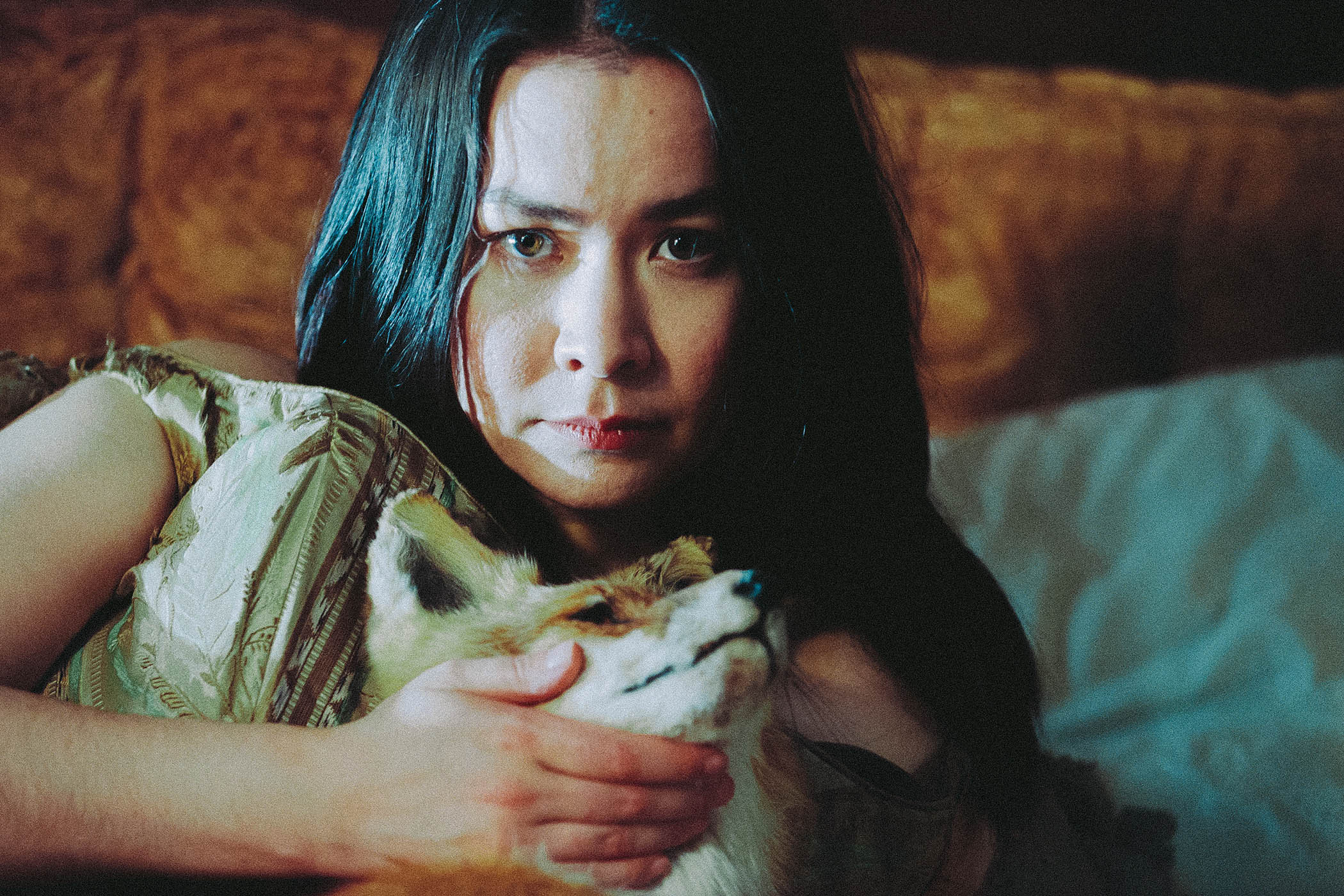
The title is the kind of phrase you can imagine an agoraphobic muttering to themselves as they try to walk out of their front door. Eschewing print interviews, Mitski has said in a press release that this record imagines a “reclusive woman [living] in an unkempt house”. She adds: “Outside of her home, she is a deviant; inside of her home, she is free.”
Mitski has said this album imagines a ‘reclusive woman living in an unkempt house’, adding: ‘Outside of her home she is a deviant; inside she is free’
Mitski has said this album imagines a ‘reclusive woman living in an unkempt house’, adding: ‘Outside of her home she is a deviant; inside she is free’
Viewed in another light, the album’s title points directly to impending doom. The collapse of the postwar order, violence against women and girls and the death toll from cruel conflicts are seemingly inescapable across many of our personal social feeds. Talking to Apple Music, Mitski discussed how the album’s lead single Where’s My Phone? is in part about trying to disconnect from external stressors in the digital age. “I am very anxious all the time,” she shared. “Let’s take that anxiety and make fun of it.” An F-bomb is bleeped in the track. It’s supposed to sound absurd.
References to death on Mitski’s previous records are plentiful. Her 2014 album Bury Me at Makeout Creek featured stark cover art showing one open window in a high-rise building. Nothing’s About To Happen To Me includes songs called Dead Women and Charon’s Obol, which nods to the coins placed on, or in the mouth of, the departed, to pay the ferryman.
Death comes calling in person mid-album, on a riveting track called Instead of Here. Someone seems to be in the middle of a suicide attempt – dipping “a toe into the abyss” – when there is a knock on the door. She was headed somewhere “where nobody can reach”; not even by phone. The narrator has another go at life. But Death “knew I would call again”, Mitski sings coolly. “So she’d mosey on back in case next time’s really the end.”
Related articles:
Across 11 songs that move between guitar band chug, orchestral filigree and jazz tinges, Mitski remains enduringly ambivalent about other people: lovers and strangers alike. She extols the anonymity of busy cities over suffocating small towns where people like to write your story for you (In a Lake).
Bars are places you can be alone together in I’ll Change for You. This track finds someone grovelling to avoid a breakup: thanks to Mitski’s featherlight, unaffected delivery the self-abasement is wry, not abject.
Newsletters
Choose the newsletters you want to receive
View more
For information about how The Observer protects your data, read our Privacy Policy
Dead Women, meanwhile, towers above everything else, a grim but beautifully string-laden tale that asks whether hell is, in fact, other people telling your story. “Would you have liked me better if I had died?” wonders Mitski of a former lover with whom she is tussling for control of their narrative.
She imagines he may kill her and her new partner in her sleep, then ransack the house then talk about her death: “She gave her life / So we could have her in our dreams,” parrots Mitski, before laying bare the ugliness beneath that epitaph. “She gave her life / So we could fuck her as we please.” This time, the word isn’t censored.
Photograph by Lexie Alley