Illustration by David Foldvari
It’s quite something, discovering new experiences at a (relatively) late age. I’m not talking about scuba diving or wild swimming. Last week, my first play, The Battle, opened at Birmingham Rep. The theatre, friends, has been a wild ride.
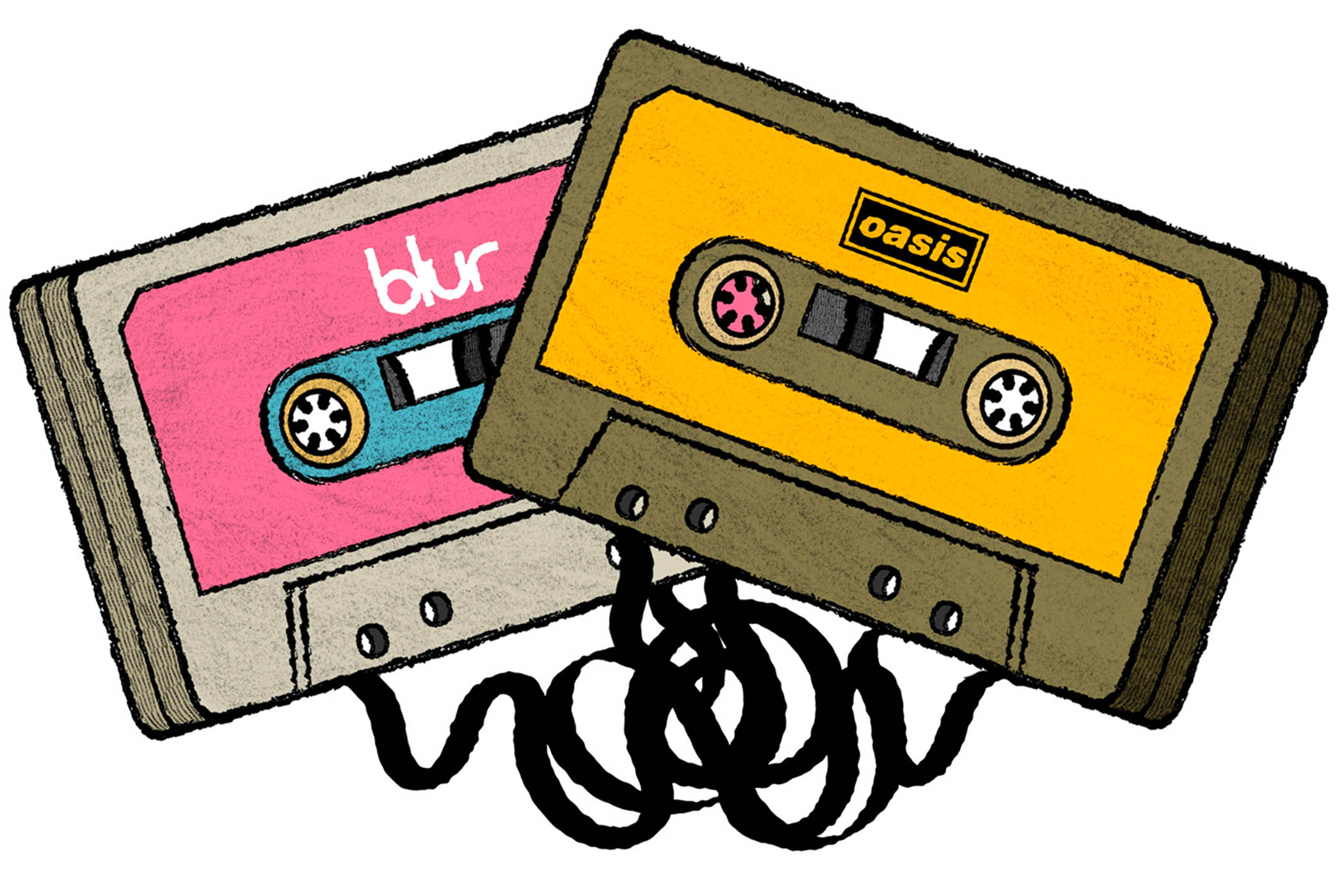
The play is set across the summer of 1995 and tracks the rivalry between Blur and Oasis as it reaches boiling point when both bands release singles on the same August day. Annoyingly, the initial idea didn’t even belong to me. Back in the spring of 2023, the theatre producer Simon Friend (Life of Pi, The Best Exotic Marigold Hotel) asked me if I thought there might be a fun play to be written about the two groups’ battle for number one. I was a little wary, fearing that what he might be after was Britpop! The Musical. Which isn’t exactly in my wheelhouse.
Also, I had done a lot of screenwriting for films, but none for the stage. I kind of shared Nabokov’s view that, as soon as the 35mm camera had been invented, the last theatre should have been burned to the ground. Why travel all the way to a three-hour play when you could watch Beverly Hills Cop twice with full access to your fridge?
Then, as I mulled it over, I began to think that there might be a funny sub-David Mamet piece to be done; I felt it would be intrinsically comedic if you could invest the story of two pop groups having a spat with the stakes of the Cuban Missile Crisis. It was also a period and milieu I knew intimately. The long, hot summer of 1995 was the year I moved to London to work for a major record company. It was the first year I went to the Brit awards.
At that event in February 1995, Damon Albarn held up the award for best British group and said: “I think this should have been shared with Oasis.” Later that night, Noel Gallagher gave an interview where he said: “As far I’m concerned, it’s us and Blur against the world now.”
Five months later, he said of Albarn and Blur’s Alex James: “I hope they catch Aids and die.”
Woah, I thought. Now there’s a dramatic arc.
I pitched all this to Simon, we made a deal, and, in the summer of 2023, off I went into the pit to work on the first draft. (The keen-eyed reader will note that this was a full year before Oasis announced their comeback ...)
Now obviously in a movie script it’s very easy to type something like:
EXT. The Grand Canyon – DAY
A pair of EAGLES soar majestically past the camera.
Or whatever. It’s someone else’s job to get the eagles, train the eagles etc. But that’s not going to fly on the stage. Also when you’re writing a film script, if you have a scene that’s going on for more than six or seven pages, then you had better have a good reason for it. In the theatre, a speech can happily last six or seven pages.
The director clapped me on the shoulder and said: ‘You know the only reason you do day one, right? To get to day two’
The director clapped me on the shoulder and said: ‘You know the only reason you do day one, right? To get to day two’
What eventually emerged was 10 scenes of roughly 12 pages each. But, as ever, endings are hard. And I was stuck here for a long time. The bands never met the week the two singles came out. It all felt a bit anti-climactic. A bit Hamlet without the prince. But, I thought, what if they had met? I remembered that Alan McGee, the boss of Creation Records and The Man Who Signed Oasis had said something like: “Blur think it’s all good media fun. The problem is you’ve got five lunatics from a council estate in Burnage who literally want to fucking kill them.”
I had an ending. If we could just find a director who could pull the ending off.
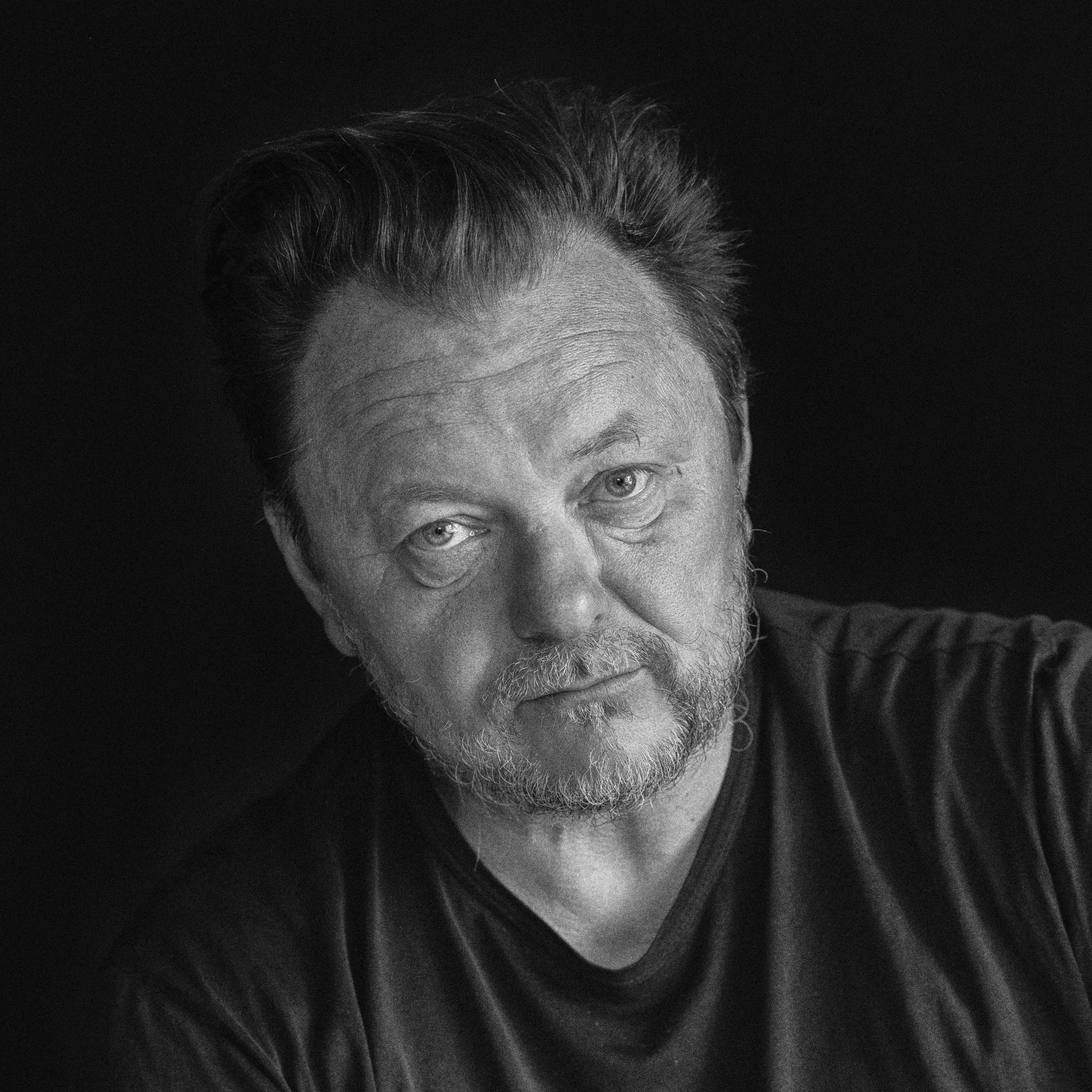
Enter Matthew Dunster (2:22: A Ghost Story, The Hunger Games). I had met a few possible directors before Matthew but no one I’d really gelled with or felt got the tone of the thing. Matthew – Mancunian (well, Oldham. Close enough), mid-50s and drier than a martini – totally got it. Somewhere around this point, Oasis announced their return dates.
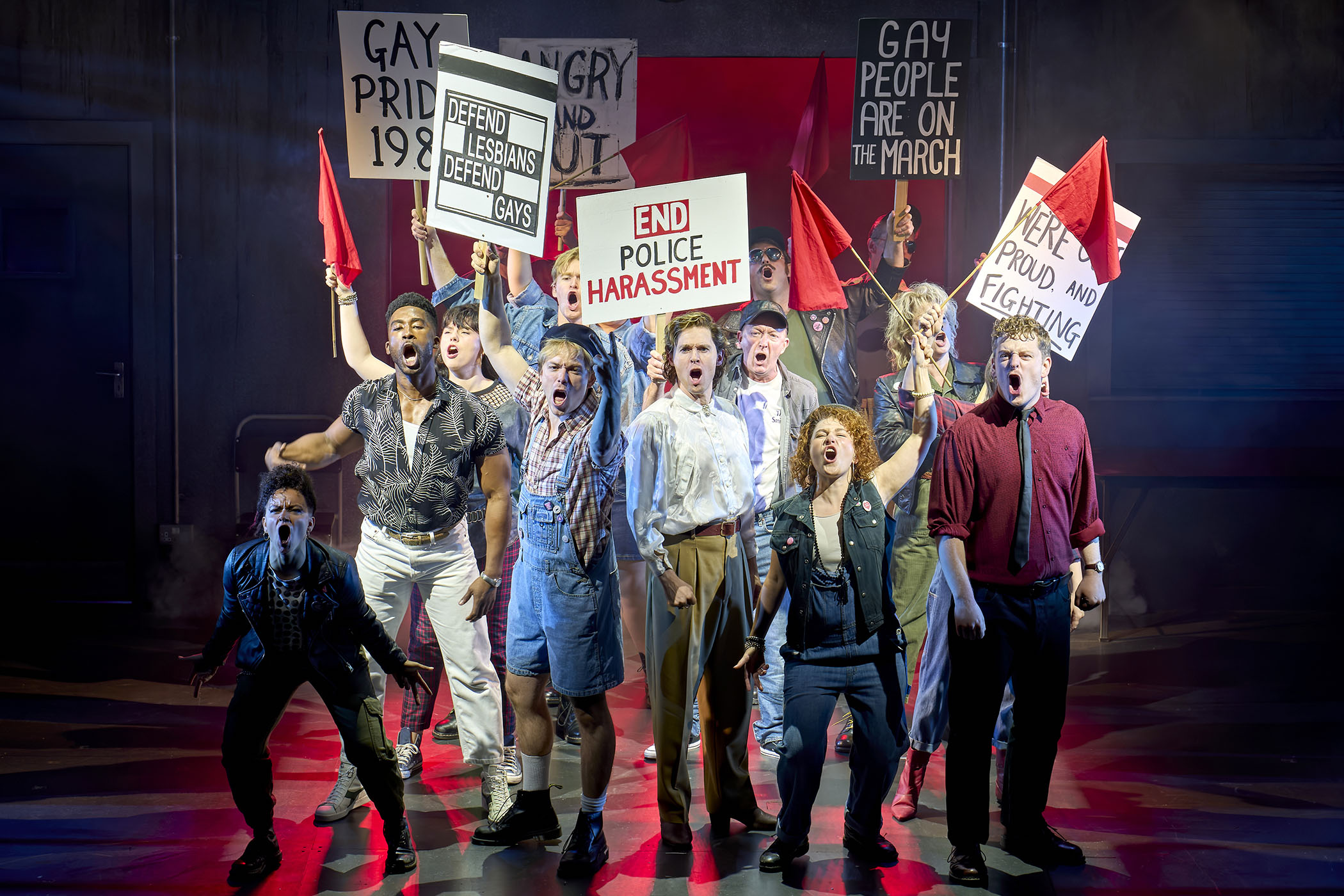
Now in movies, the hiring of the director often spells the end of the writer’s involvement. Not so in the theatre. I was in all the auditions as we put together an incredible young cast, most of them the same age I had been in the summer of 1995. Then the first read through, on a freezing morning in the first week of this year, in a rehearsal room above the Dominion theatre. Like watching the first assembly of a film, it is the pits of the earth, the worst part of the whole process. I remember sitting there numb, unable to believe I’d written such lifeless dreck. Matthew clapped me on the shoulder and said: “You know the only reason you do day one, right? To get to day two.”
And then days three, four and five. And on. On a movie, you’re lucky to get a week or two of rehearsal time. We had five weeks, which seemed to me impossibly generous. Then again, on a movie, you only need to get it right once. Matthew started breaking it down and working through the script scene by scene and, gradually, like a book grows line by line, or a film shot by shot, the thing started to come to life.
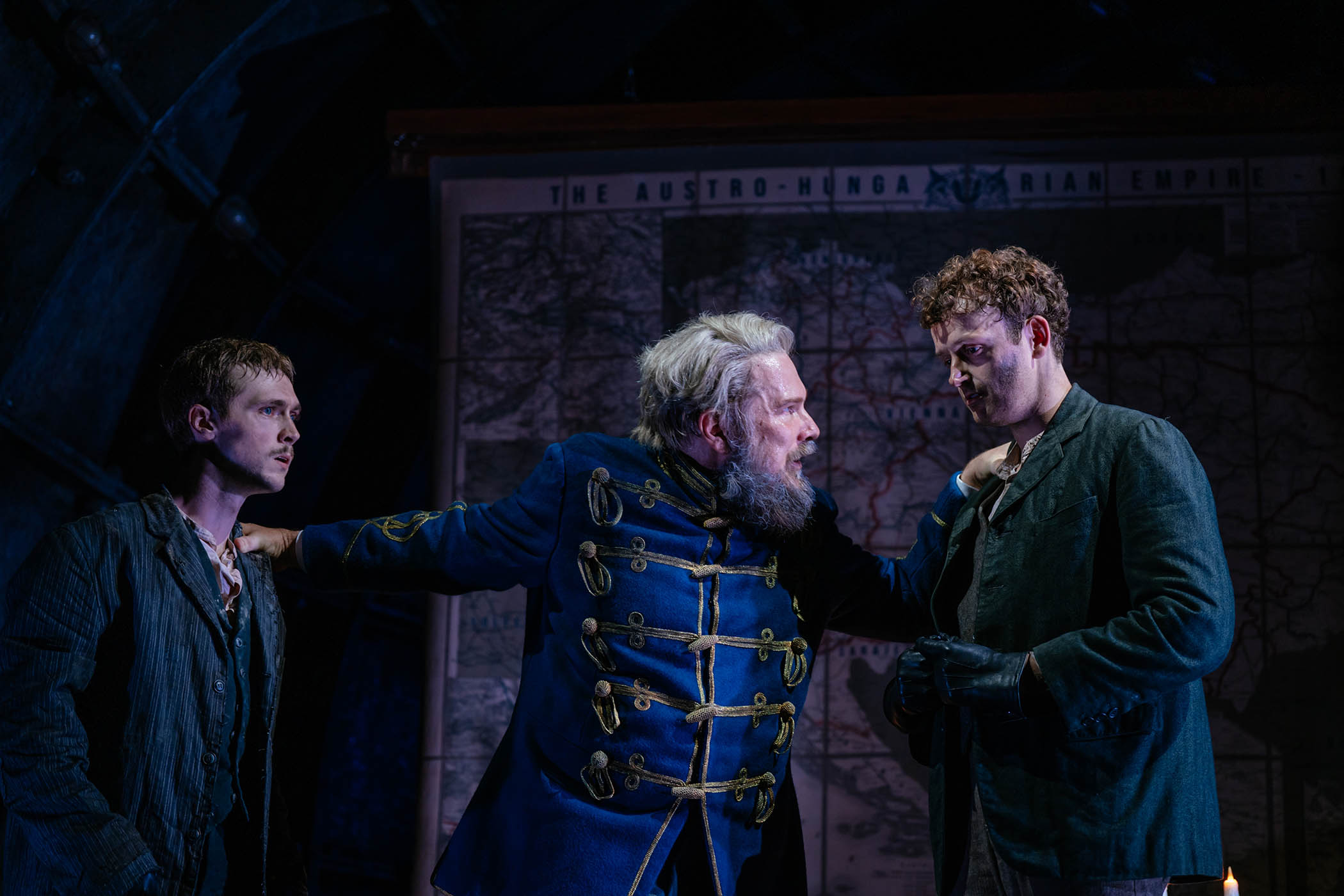
At the end of January, we moved rehearsals from London to Birmingham. The businessman’s hotel. The breakfast buffet and then the walk across the road to the Rep theatre in the freezing drizzle. And then the first preview night. A sold-out crowd. In terms of sheer terror, I have known nothing like it in my professional life. So many things – the performances, the lighting and sound cues, the animation clips – must go right. Live, in real time, in front of an audience. And on top of all that there is the constant fear: have I written Springtime for Hitler? Because you don’t know what you’ve got until you put it in front of an audience. If we can get a couple of laughs early on, we’ll be OK, I tell myself.
They erupted in laughter on the second line. And we were off, all the way to a standing ovation at the end. It is difficult to express the tidal sense of relief.
The theatre? Love it. Always have.
The Battle by John Niven is at Birmingham Rep until 7 March and at Manchester Opera House from 17 to 21 March
Newsletters
Choose the newsletters you want to receive
View more
For information about how The Observer protects your data, read our Privacy Policy