


Los Thuthanaka
Los Thuthanaka
(Bandcamp)
Music endlessly rehashes itself. Nothing wrong there: the nature of sound is cyclical. But outliers are to be cherished; they cleanse the palate, reframe the discipline.
The appeal of Los Thuthanaka’s self-titled debut album is at once ancient and modern. The duo channel both Y2K electronic mischief and the trance states that have served as body medicine since time immemorial on tracks such as Huayño “Ipi Saxra” (“Dumb Evil”). Elsewhere, there’s video game math rock on Caporal “Apnaqkaya Titi” (“Drivable Cat” Caporales) and a passionate, indescribable maximalism on Kullawada “Awila” (“Queer Grandma” Kullawada). The words in parentheses are Andean music or dance traditions that link this fiercely electronic record to native Latin American forms.
Los Thuthanaka did not exactly come out of nowhere. Both Elysia Crampton, who now goes by her Bolivian Aymara name Chuquimamani-Condori, and her brother, guitarist Joshua Chuquimia Crampton, have released earlier works. But this gloriously borderless record – eight tunes as full of life as they are initially intractable – feels newly exhilarating. Kitty Empire

I remember I forget
Yasmine Hamdan
(Crammed Discs)
A Beirut-born singer-producer living in Paris, Yasmine Hamdan makes mesmerising Arabic electronic pop. I remember I forget took more than seven years to arrive, partly due to the triple hit of Lebanon’s financial crisis, the Beirut port explosion and a pandemic. Hamdan doesn’t just bear witness to Lebanese sorrows, but acknowledges tragedies everywhere (her husband is the Palestinian actor-director Elia Suleiman) and the traumas inflicted on all.
Newsletters
Choose the newsletters you want to receive
View more
For information about how The Observer protects your data, read our Privacy Policy
Absorbing, intricate passages cleverly meld digital and analogue instrumentation. Dubby bop Shmaali revives Ottoman-era encrypted love songs sung by jailed Palestinian women. The track Mor is more intensely emotional than electronic music can usually bear; Reminisce builds a grand percussive crescendo.
Each song is garlanded with Hamdan’s majestic vocals, either solo or soothed by a choir. On some, she sinks into the music like a sad dancer surrendering to the rave. Elsewhere, she blazes joy out of defiance. There are many ideas to treasure on this work of remarkable scope and ambition. Damien Morris
No One Was Driving the Car
La Dispute
(Epitaph)
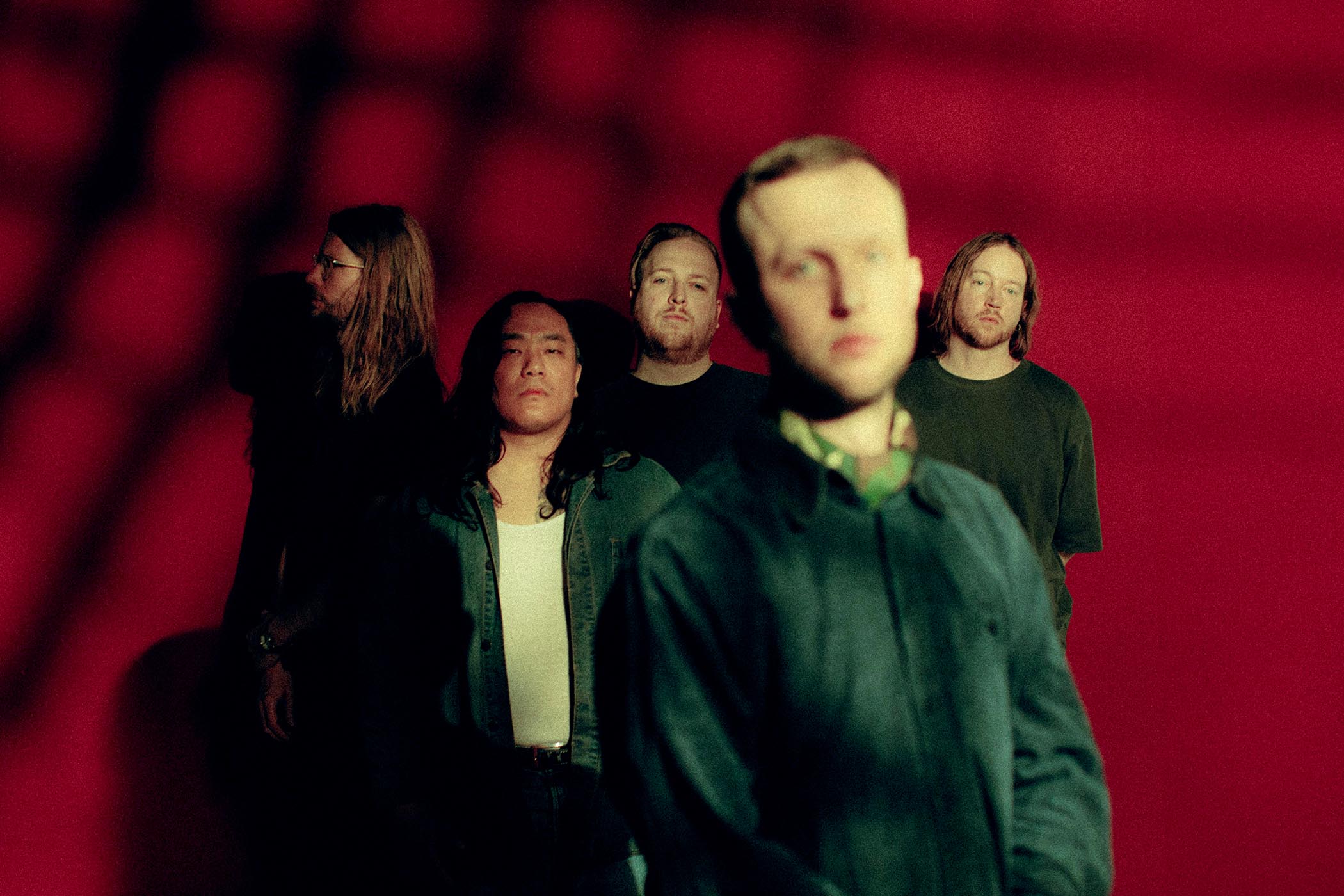
The first album in six years from Michigan post-hardcore five-piece La Dispute concerns itself with human control in the age of technology, and takes its title from the headline of a news report about a driverless Tesla that crashed and burst into flames, killing its two passengers.
Many of the 14 songs could double as dystopian short stories, with Jordan Dreyer’s lyrics full of evocative and disturbing imagery (“And you’re peeking through the curtain/ To a naked man deserted/ And a mattress on the ground”).
Indeed, there’s a palpable sense of unease, and anger, throughout, never more so than on the near-nine-minute Environmental Catastrophe Film, about the industrial pollution inflicted on the band’s home city of Grand Rapids. Musically, their closest antecedents are At the Drive-In, cut through with the light and shade of Slint.
It’s not always an easy listen, but No One Was Driving the Car certainly rewards a little perseverance. Phil Mongredien
Under Tangled Silence
Djrum
(Houndstooth)
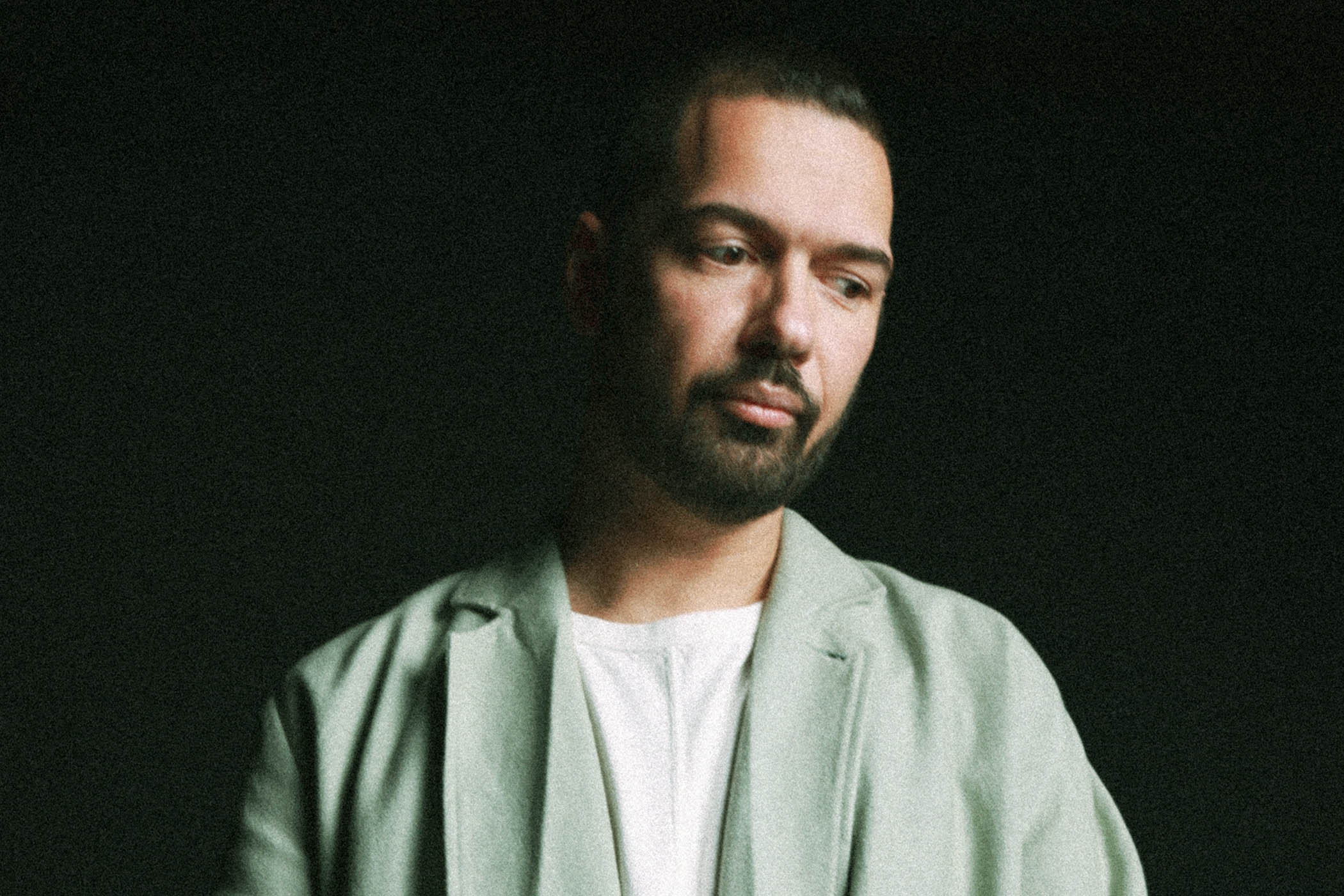
To encounter a DJ set by British producer Djrum, AKA Felix Manuel, is to experience a wizard at work. Often cutting three or four vinyl records together at lightning speed while switching genres and tempos at will, Manuel creates a sound that revels in the unexpected. It’s a freewheeling ethos present on his deep house-referencing debut album, Seven Lies (2013), the textural ambience of his 2018 follow-up, Portrait with Firewood, and here on his unruly latest, Under Tangled Silence.
Across 11 tracks, Manuel veers from classical piano phrases to intricate breakbeat drum programming, record scratches, eerie bass tones and whispers of sampled vocals. It’s a beguiling and wildly creative mix that references his childhood training in jazz piano as much as his time spent in murky club basements, compelling revellers to dance.
These influences coalesce most clearly on standout track Let Me, a seven-minute odyssey that manages to blend orchestral strings with hammering jungle rhythms and a drastic last-minute tempo change. The genre-hopping combination might seem messy, but in Manuel’s hands it’s dexterous and deeply compelling. Phil Mongredien

Silence Gives Life
S!RENE
(S!RENE)
Amsterdam-based S!RENE is a believer in the power of the remix: his edits of artists such as Sadé, Little Simz and Kendrick Lamar are never far from a DJ’s USB stick. He has spent years building a global reputation, performing at Berlin’s Berghain, spinning his way around Australia and becoming closely affiliated with Soulection, the influential LA-based collective.
But the Dutch-Nigerian artist’s debut album, self-released in November, seems to have flown under the critical radar. Silence Gives Life deserves huge attention: these are sublime, pan-rhythmic pearls that elegantly weave together cross-continental styles of percussive electronic music and jazz flourishes. Take Palmwine Samba, which pairs the lilting guitars of the West African folk genre with Brazil’s signature swing-shaking beat, or Tree’s Root, a nimble number inspired by the late Afrobeat pioneer Tony Allen. Amapiano, Batida and afro-house get a look-in too. Yet despite all its many rich textures and details, Silence Gives Life feels spiritual, not overstuffed. Kate Hutchinson
Blurrr
Joanne Robertson
(AD 93)
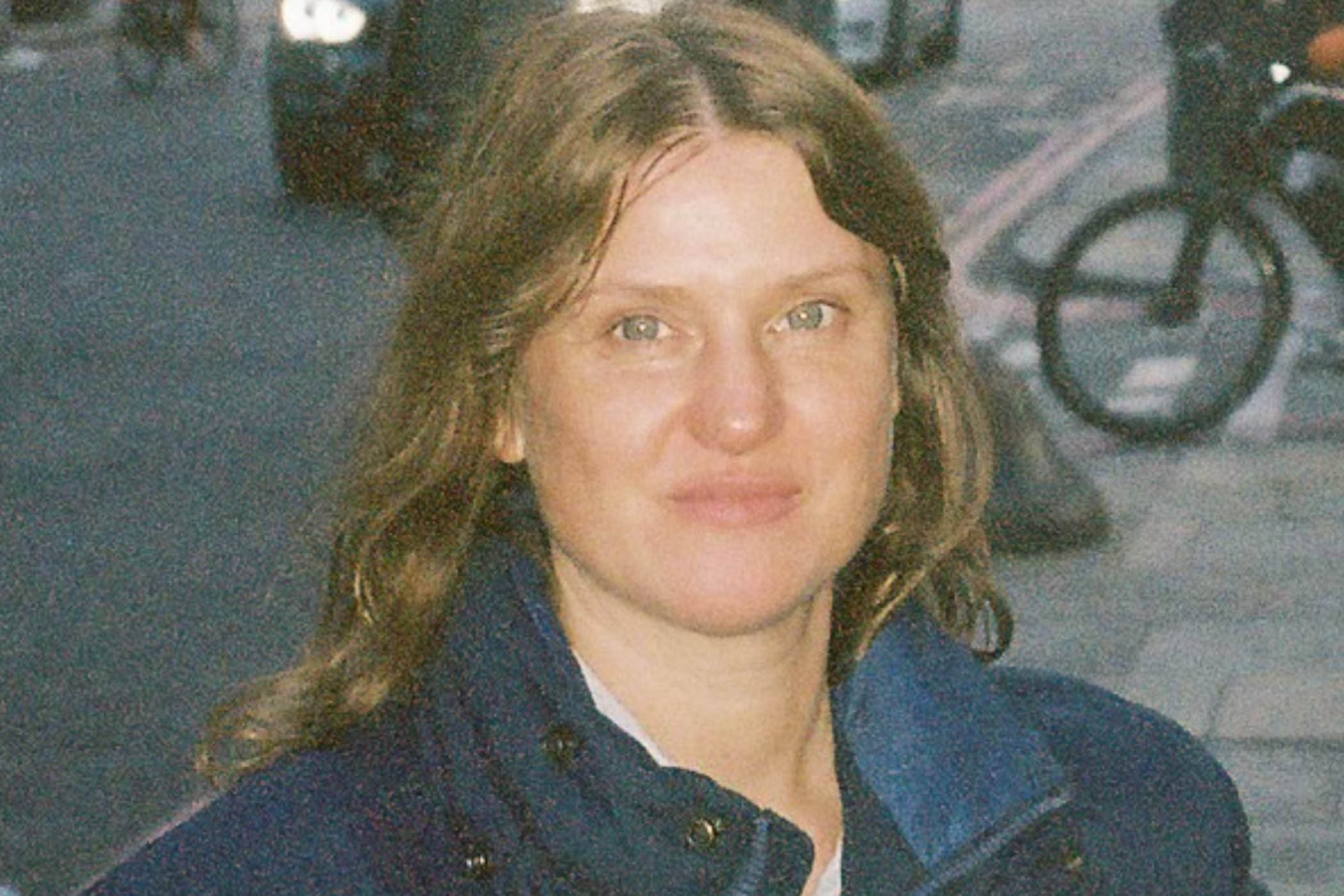
Joanne Robertson’s sixth album feels like a transmission from a room you didn’t know existed. Written between painting sessions and the daily rhythms of raising a child, it has a distinctive looseness, as if built entirely on intuition. Guitar lines end mid-thought; vocals hover like frozen breath. It’s the culmination of a life spent as an improvisational painter and musician, by an artist unafraid of sounding distant or mournful even if inspired by moments of joy.
Gown is the album’s strongest single, showing off Robertson’s melodic reach while revelling in desolation. British cellist Oliver Coates cuts through the murk, pulling the record forward as he zigzags around Robertson’s voice, allowing small cracks of light to seep in. At times there’s a hint of Cocteau Twins, of Grouper’s wraithlike distancing or Arthur Russell’s most experimental home recordings. But for all these echoes, you’ll have heard nothing else like Blurrr all year. Georgia Evans
You Are the Morning
Jasmine.4.t
(Saddest Factory)
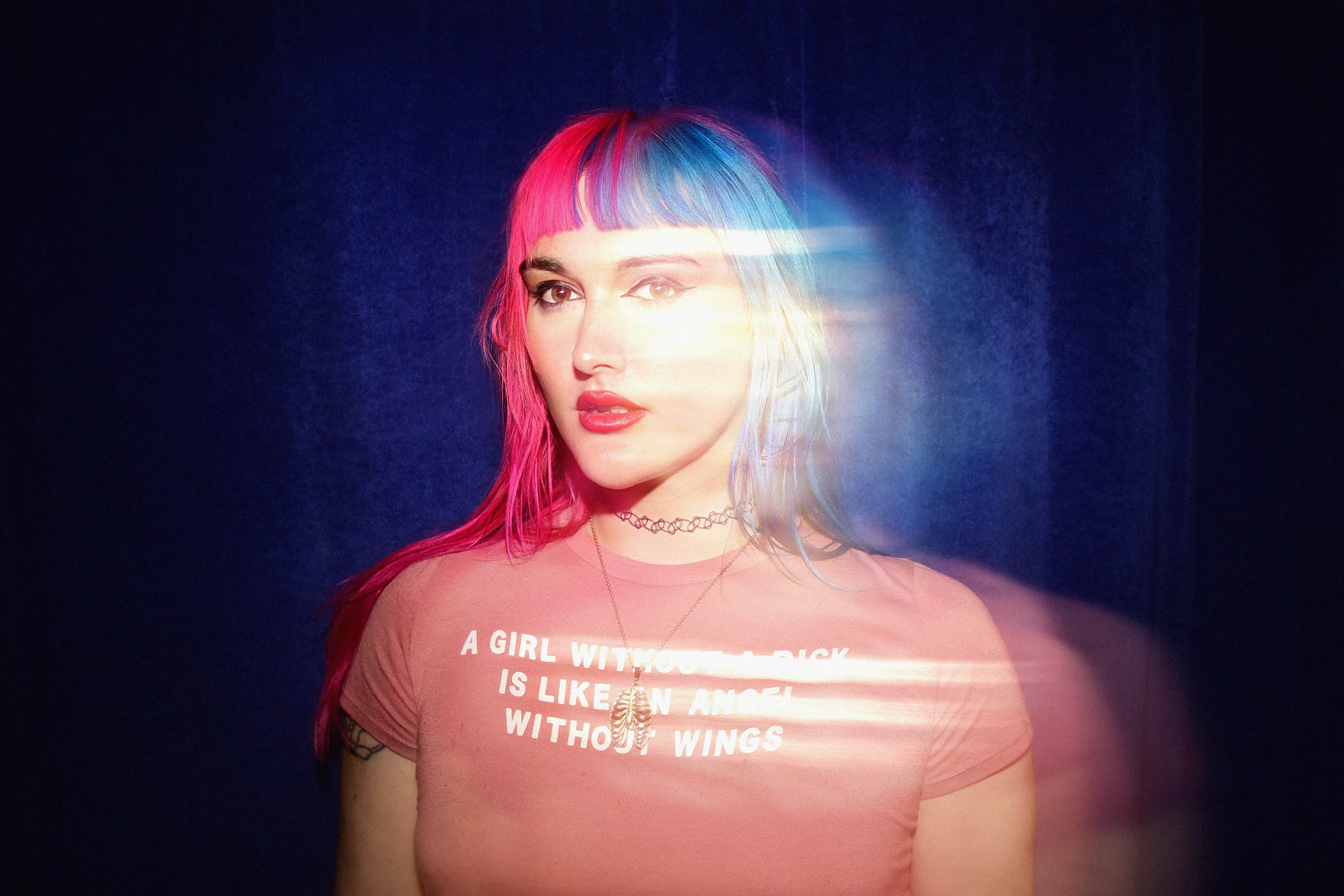
The debut record from Manchester’s Jasmine.4.t, You Are the Morning initially piqued interest as a result of its A-list co-signs (the album was produced by Boygenius and released in January on Phoebe Bridgers’s Saddest Factory label). But its 13 emotional, richly evocative tales of becoming have only grown more poignant as the peripheral noise has faded.
In songs written about her first years living as a trans woman, Jasmine wrangles hooky, melodic catharsis out of trauma on Guy Fawkes Tesco Dissociation, which describes a post-traumatic stress disorder blackout in a supermarket, while other moments are beautiful and devastating.
Tender, fingerpicked opener Kitchen nods to Elliott Smith as she sings of fearful self-reflection (“How could you want this?/ This this broken girl full of love, with no capacity for romance?”). Skin on Skin is full of the wide-eyed hope of first love, while the title track is a gorgeous ode to support networks and chosen family.
Fragile and yet full of fight, You Are the Morning’s sentiments transcend history or gender. Lisa Wright
The Celtic Wheel of the Year
Josephine Davies & the Ensō Ensemble
(Ubuntu)
London-based Josephine Davies has made her name leading a trio, Satori, that showcases her elegant sax playing (on tenor and alto) while building her compositional skills with the 17-piece Ensō Ensemble. The names of both groups reflect Davies’s involvement with Japanese Buddhism. Here, she turns to her roots in Shetland for spiritual inspiration with a suite of eight pieces based on the ancient Celtic calendar. Some of its festivals are still celebrated – Mayday, Halloween – but others have faded or been Christianised.
Flecked with folk influences, the album is a stunning work brimming with drama, intricate arrangements and outstanding solos. Opening track Eos (summer solstice) is as brash as a hot June day, rippling with horn parts and sparkling piano from Alcyona Mick. Its winter counterpart, Gaia’s Breath, opens in icy stillness before evolving with the slow return of Sunlight. Samhain (Halloween) is suitably menacing for the night when spirits walked, lit up by a tremendous soprano sax solo by Mike Chillingworth. All told, an affecting hymn to the natural world. Neil Spencer
Photographs by Martin/Riya Hollings/Yomi Rabiu/Nis Bysted/Greg Heath