The AI boom is minting fortunes at a faster rate than at any point in Silicon Valley’s history of spectacular wealth creation. A series of IPOs of leading tech companies this year and next is forecast to create as many as 20 billionaires, hundreds of multimillionaires and 16,000 millionaires.
Wild bidding wars are now being waged over San Francisco Bay Area property, where offering to pay in pre-IPO shares is more likely to win over a seller than cash, and angel capital is flooding into startup seed rounds. But all this new wealth has a more human consequence, too: an uptick in giving that many predict will lead to a new golden age of philanthropy.
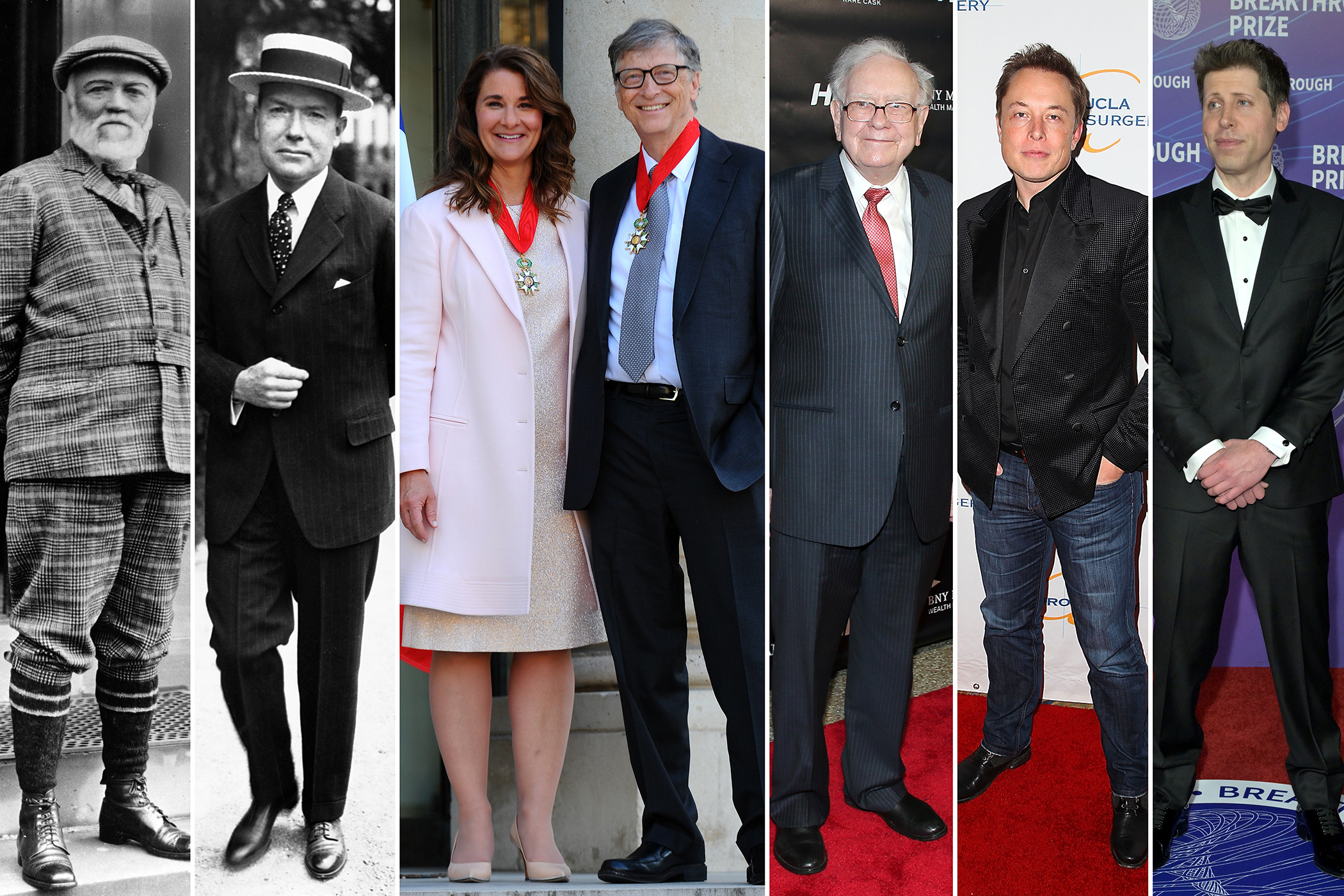
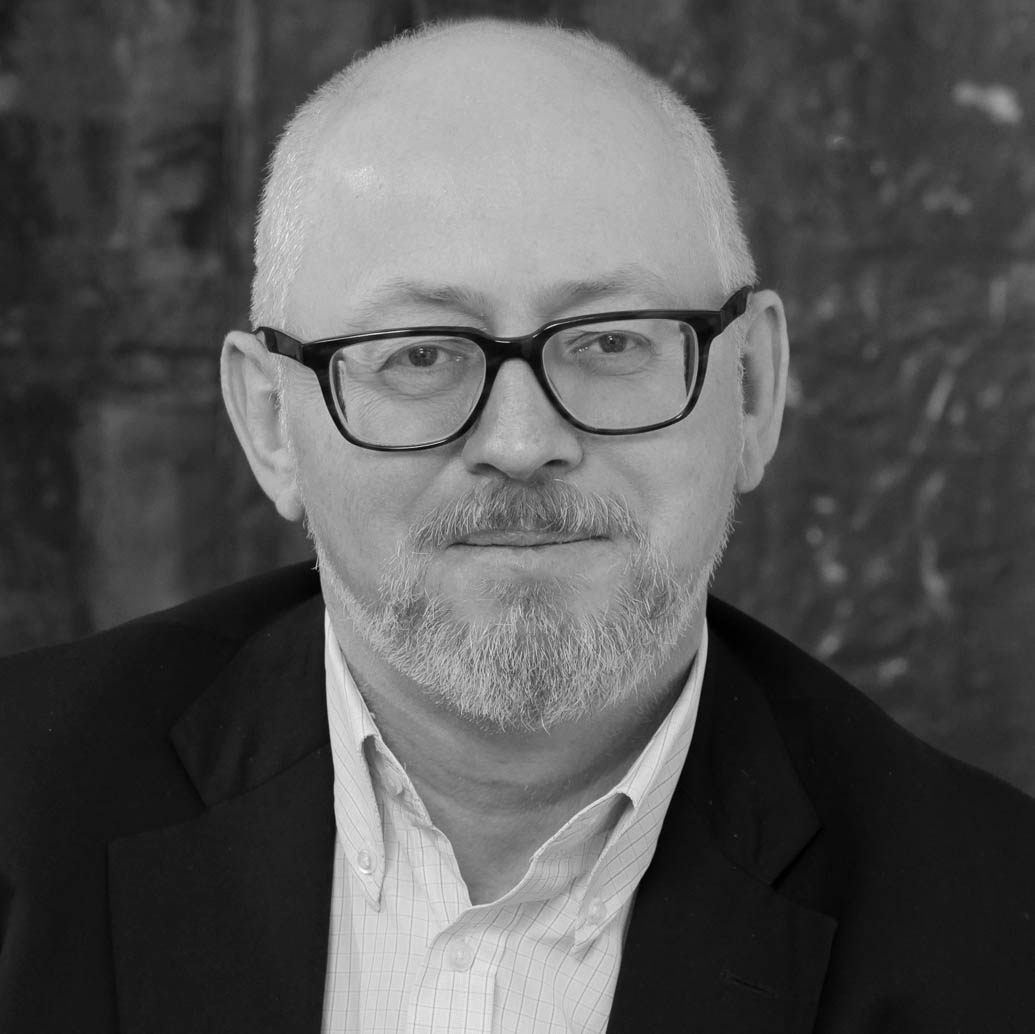
In a much-debated recent Substack article, Nan Ransohoff claimed this is the start of a Silicon Valley-accented third wave of American philanthropy – following the Carnegie-Rockefeller era of the early 20th century and the Gates-Buffett wave at the start of this one. The seven co-founders of Anthropic have publicly committed to giving away 80% of their wealth – at least $40bn at latest valuations. The foundation that controls OpenAI holds a stake in the company worth about $130bn, which represents one of the world’s biggest charitable endowments.
There will be many more to come provided the boom doesn’t end with a whimper. Ransohoff expects higher rates of giving per philanthropist than in the recent past, and the emergence of a sort of Silicon Valley for public goods: a startup machine built for the non-profit world. Her worry is not that the money will fail to materialise but that the doing-good sector cannot yet cope with it, as “we don’t have the organisational capacity to absorb that money”.
Ransohoff has earned the right to be taken seriously. She is pioneering an innovative approach to corporate giving in her role as head of public goods at the payments company Stripe, and spearheaded, with Alphabet, Meta, Shopify and McKinsey, the creation of Frontier, an advance-market commitment to buy $1.8bn of permanent carbon removal by 2040.
Her message is a reminder that plenty of people in Silicon Valley feel a responsibility to put their good fortune to the service of building a better world. In the past few years, too many titans of tech have said things that seem more misanthro-capitalist than philanthro-capitalist.
Elon Musk, the world’s richest man, who in 2012 signed the billionaire Giving Pledge launched by Warren Buffett and the Gateses, has recently called empathy “the fundamental weakness of western civilisation” and, through his Doge crusade, dismantled America’s largest foreign-aid agency. Peter Thiel has been quietly urging fellow billionaires to abandon the Giving Pledge – an “Epstein-adjacent, fake Boomer club” in his words – having warned Musk that his own pledge would funnel his fortune to “leftwing non-profits that will be chosen by Bill Gates”. For Thiel, as Inside Philanthropy puts it, philanthropy is “a footnote next to his investments”.
Few in the worlds of philanthropy and non-profits would challenge the notion that they have underachieved and the business model could do with an upgrade. The US has about 2m registered non-profits, far too many of which are small and financially constrained, unable to achieve the sort of impact Silicon Valley expects of its for-profit endeavours. A puritanical hostility to funding decent pay and overheads in charities has made it hard to hire top talent and condemned those that are hired to spend far too much time fundraising.
The solution is more likely to be proper long-term funding without strings attached, rather than, as Ransohoff argues, an influx of “tech-calibre people” – a tin-eared term guaranteed to make her plenty of enemies even among potential reform-minded allies in the non-profit world.
How quickly the philanthropic dollars start to flow – if they start at all – is an open question. Andrew Carnegie gave away roughly 90% of his fortune in his lifetime; John D Rockefeller more than half. Gates, Buffett, MacKenzie Scott and a handful of other Giving Pledgers are on track to donate similarly high figures. But for the vast majority of today’s wealthiest 400 Americans that figure is less than 5%.
Newsletters
Choose the newsletters you want to receive
View more
For information about how The Observer protects your data, read our Privacy Policy
“The distance between stated intention and actual distribution runs into the hundreds of billions of dollars, and it has been widening because wealth has grown faster than the giving meant to disperse it,” says Lyell Sakaue from Bridgespan, citing the philanthropy consulting firm’s study of America’s 25 most generous donors.
The foundation that controls OpenAI plans to give about $1bn a year – less than a foundation its size would typically distribute – though this may be due to that wealth not being liquid, as well as the governance role it is expected to play over the for-profit company, designed into its structure in an effort to ensure its AI is good for humanity. A big question for the foundation will be whether to diversify out of the company’s shares when it IPOs, to ensure its wealth doesn’t vanish if the AI bubble bursts.
Larry Kramer, president of the London School of Economics and a former head of the Hewlett Foundation, a pioneer of the first wave of Silicon Valley philanthropy, sounds a different warning: philanthropy’s real disease is self-flattery. It has repeatedly made grandiose claims about saving the world, then looked like a failure for falling short, when in truth it has done a great deal of good on a modest scale.
The danger is that the new funders swallow the grandiose claim whole, observe that their predecessors did not deliver on it, conclude that the old guard were simply bad at the job, and resolve to do better – dismissing everything they might have learned, and setting themselves up to repeat the same mistakes. Many of the AI leaders turning to philanthropy are influenced by the “effective altruism” movement, which advocates for evidence-led, data-driven charitable giving. Such an approach, championed by Facebook co-founder Dustin Moskovitz and his wife Cari Tuna’s Coefficient Giving, could tend toward a focus on clearly solvable challenges rather than those that look like obvious answers.
The OpenAI Foundation’s first commitments include a $25bn pledge towards curing disease and building resilience against the potential negative impacts of AI, $250m to study the technology’s effect on jobs, a $50m fund for community non-profits, and a co-funding of Raise Us – a $500m coalition led by Gina Raimondo, the former US commerce secretary, and backed by Anthropic, Microsoft and Amazon, to help workers adapt to the AI economy.
These are serious sums, but as yet tiny compared with the immensity of the challenges posed by AI. If this is to be more than simply putting lipstick on a capitalist pig, this new golden age of philanthropy will need to be more visionary, more bold, and more willing than its predecessors to tackle problems of its own wealth-creators’ making before they get big enough to do serious damage.
Photographs by Library of Congress/Getty Images, Corbis via Getty Images, Frederic Stevens/Getty Images, J. Countess/Getty Images, Joe Scarnici/WireImage, Lester Cohen/Getty Images