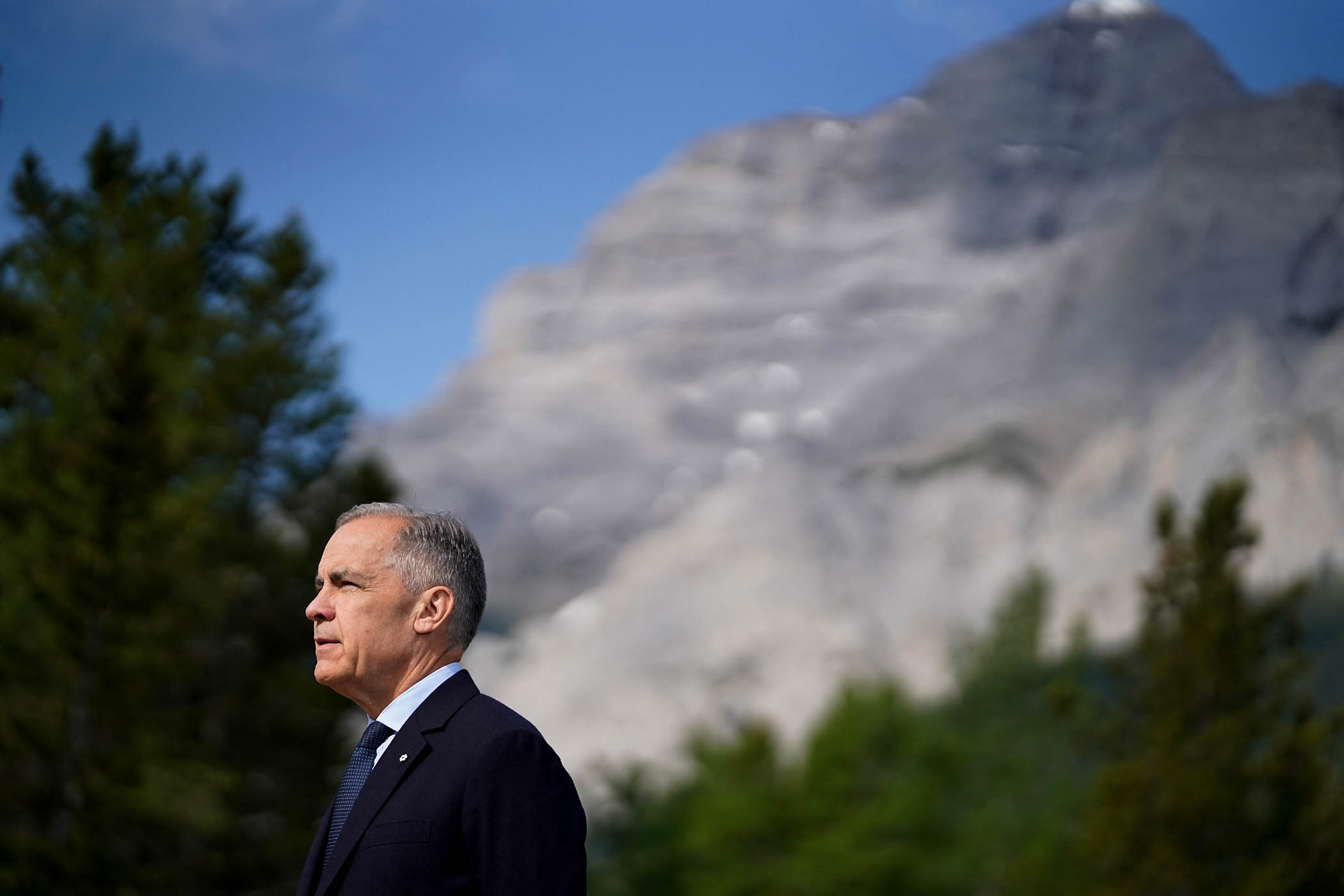
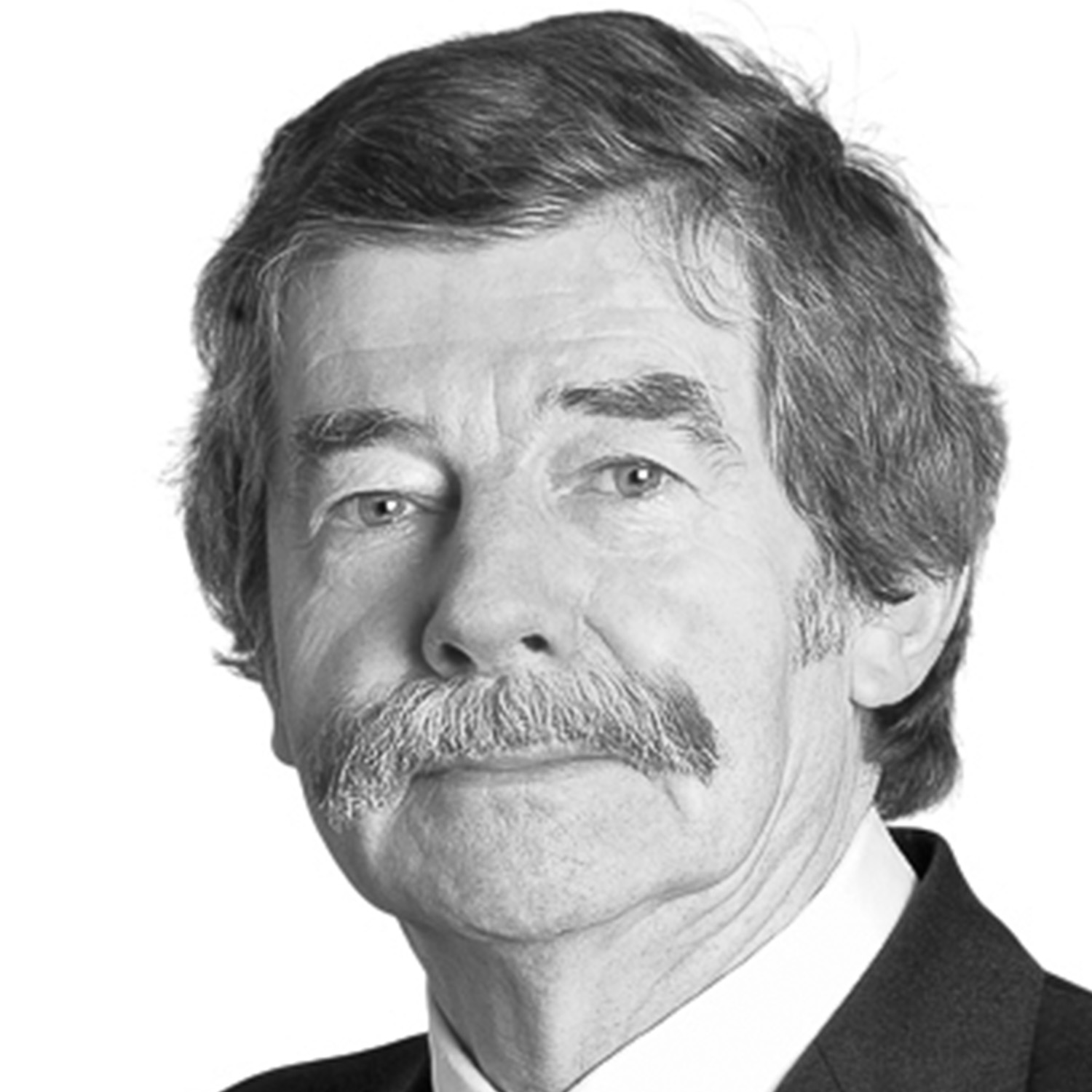
His fellow Canadian, the political scientist Colin Campbell, once told me that Mark Carney’s real ambition was to be prime minister of Canada, but that he had been thwarted by the success of his rival, Justin Trudeau.
However, as my Irish mother used to say, everything comes to he who waits, and via an early career in investment banking and as governor of the Bank of Canada and the Bank of England, Carney eventually achieved his goal.
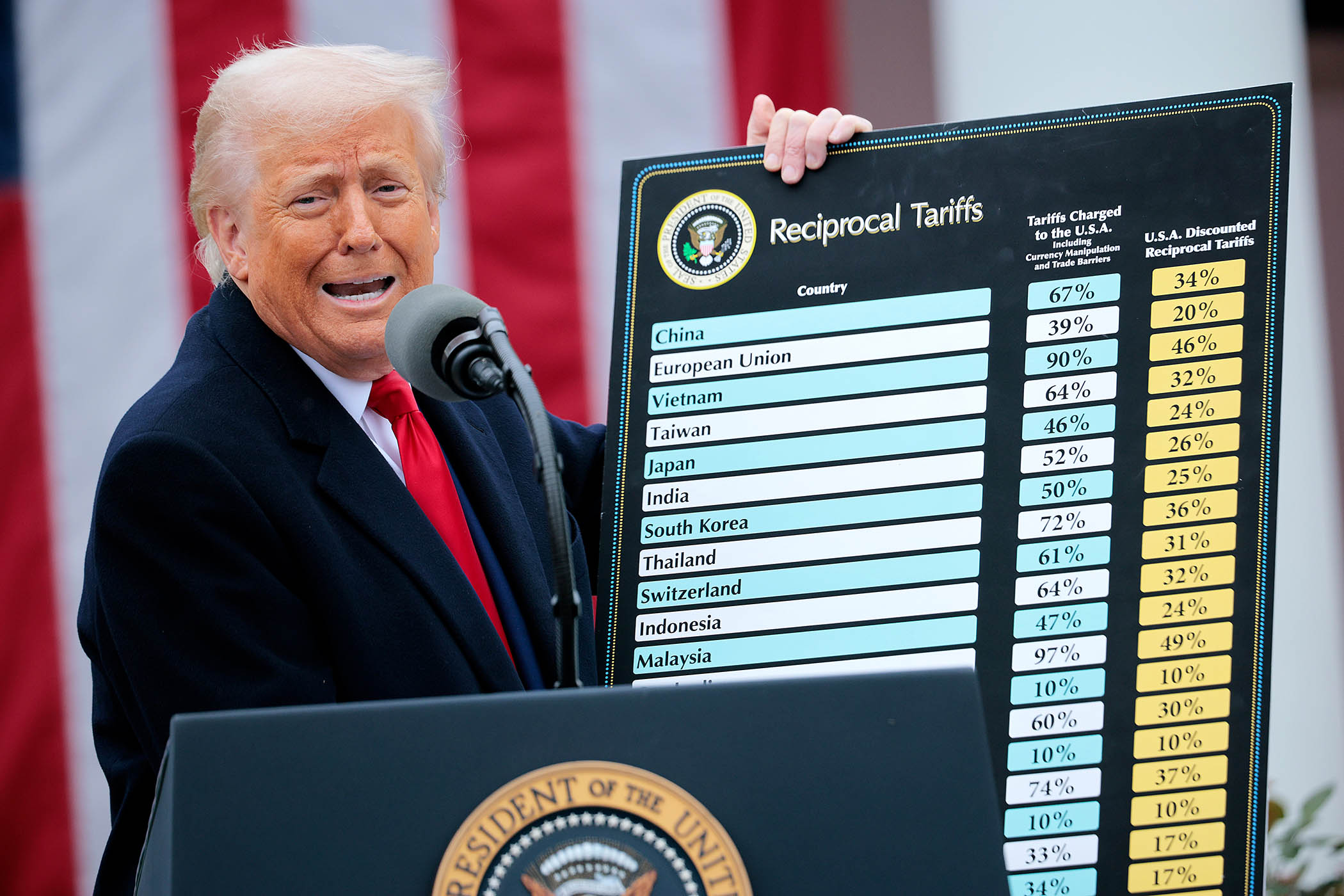
Cometh the man, cometh the hour. Carney has become something of a hero first by standing up, unlike certain other leaders, to the Caligula-like behaviour of Donald Trump. As Suetonius recorded of that notorious Roman emperor, Gaius Caligula would boast: “Bear in mind that I can treat anyone exactly as I please.”
With a potentially epoch-making recent speech at the World Economic Forum in Davos, against the background of Trump having brought an end to the post-1945 “world order”, Carney maintained that this is “a rupture, not a transition... We believe that from the fracture we can build something better, stronger, more just.”
As the US under Trump abandons its post-1945 (largely) enlightened responsibilities, Carney argues that the “middle powers” have got to get their act together, accounting, as Europe and Canada collectively do, for more than 20% of world output.
The present crisis has reminded Joseph de Weck, a fellow of the Foreign Policy Research Institute, of the famous passage in Lampedusa’s The Leopard, when in the face of revolution in Sicily, the Prince of Salina’s nephew, Tancredi, says “everything needs to change for everything to remain the same”.
As De Weck observes, the question arises: what are you trying to preserve? To which, in the face of the barbarians at the gate, the obvious answer is: democracy, the rule of law, a trustworthy state, territorial sovereignty, and decent codes of behaviour in international trade and relations.
Goodness knows, the European Union has its problems, and has been slow to implement former ECB president Mario Draghi’s plea for greater efforts to improve economic competitiveness and infrastructure spending.
Cometh the man, cometh the hour: Carney has become a hero for standing up to the Caligula-like behaviour of Trump
Cometh the man, cometh the hour: Carney has become a hero for standing up to the Caligula-like behaviour of Trump
But at this year’s recent annual Venice Seminar, where the economy, defence and general geopolitical matters are discussed, I got the impression of a certain seriousness of purpose in these matters.
Which brings us, inevitably, to our relations with the EU. In spite of some scares at the advent of the Giorgia Meloni government, recent events have underlined the value of EU membership to Italy – which was, of course, one of the original six members of the European Economic Community (EEC), which evolved into the EU.
Newsletters
Choose the newsletters you want to receive
View more
For information about how The Observer protects your data, read our Privacy Policy
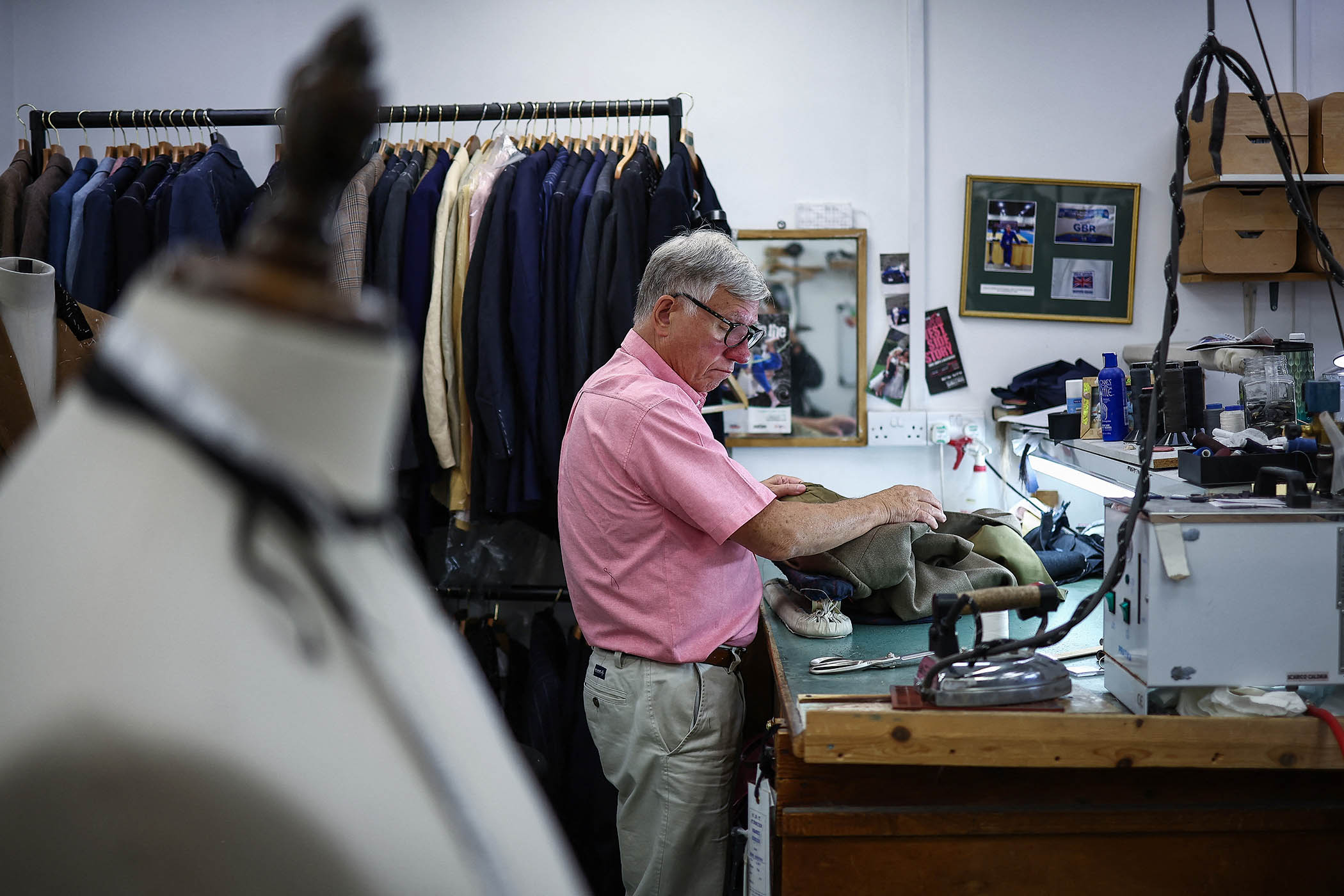
The disastrous consequences of Brexit have not been lost on our former fellow members, with a record 74% of EU citizens approving of membership.
On which subject I should like to be forgiven for striking a slightly personal note. The week before last, one of my oldest and closest friends died suddenly and unexpectedly. He was Jonathan Agnew – not the cricket commentator – but a notable figure in the City of London.
Among other achievements, he resisted fashionable pressure to turn the Nationwide Building Society – of which he was then chairman – into a bank.
I have never forgotten a phone call from him the day after the Brexit referendum. He said: “I know you may not agree, but I think there were understandable reasons for every general election result since 1945.” (Jonathan was an old-fashioned Tory, and knew my view of Thatcherism).
Then came the punchline: But THIS…
QED (quod erat demonstrandum).
• This article has been amended since publication.
Photograph by Geoff Robins/AFP via Getty Images