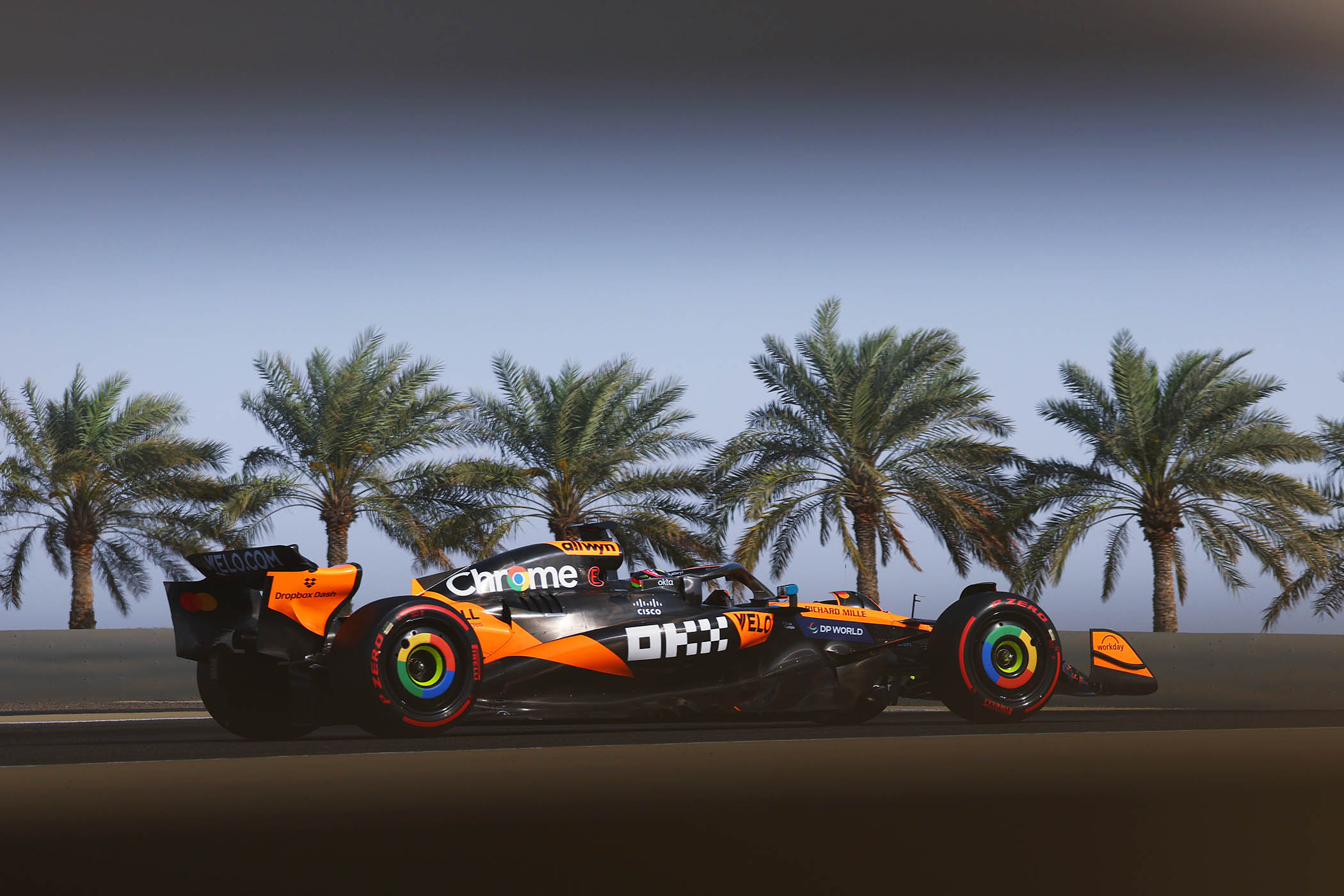
The Bahrain and Saudi Arabia Formula 1 grands prix are set to be cancelled in April as a result of war in the Middle East. It’s an ominous symbol of the potential damage the conflict could do to the long-term growth strategies of the Gulf economies. A decision was expected to be ratified this weekend to cancel the race in Bahrain on 12 April and the Saudi Arabian Grand Prix in Saudi Arabia a week later.
The races have become profile-raising money-spinners for the host country’s tourism industries, with events on the sidelines to draw wealthy racegoers worldwide.
Hosting major sporting events such as F1, and paying a fortune to get them, has become a key part of the Gulf state economic model, especially for Saudi Arabia, as it pursues a goal of increasing tourism’s contribution to GDP to 10% by 2030.
Saudi tourism revenues hit $36bn in 2023 — with net income up 38%.
Reported Saudi interest in buying F1 – or at least a stake in it – from the current owner US billionaire John Malone’s Liberty Media has yet to materialise. But several race teams, including McLaren, Sauber/Audi and Aston Martin, are sponsored or part-owned by Middle Eastern entities, which helped raise the market value of individual teams and of F1 as a whole to record levels. Liberty Media’s share price has fallen by around 10% since the bombing of Iran began on 28 February.
Liberty Media’s share price has fallen by around 10% since the bombing of Iran began on 28 February.
Attention will now turn to the fate of other events in the region that aim to attract wealthy foreigners. Mega conferences, which have been booming in the United Arab Emirates, Qatar and Saudi Arabia, may no longer seem the desert boondoggle they once were. The organiser of one event for international business leaders in the UAE later this month says they were about to call it off but have been encouraged not to by the host government, which has promised to ensure a packed house of locals even if the foreign guests are no-shows. The World Economic Forum is due to host a major major global summit on collaboration and growth in Jeddah on 22 and 23 in April. Cancelling that would be another worrying symbol.
The real test of the region’s economic pivot will come in the autumn when more bearable temperatures are accompanied by a crammed schedule of big events across the Gulf, including the Saudi “Davos in the Desert” Future Investment Initiative and the season ending Qatar and Abu Dhabi F1 grands prix. If this schedule were to be disrupted, it would indicate a profound economic crisis for the region.
Photograph: Clive Rose/Getty Images
Newsletters
Choose the newsletters you want to receive
View more
For information about how The Observer protects your data, read our Privacy Policy