
Bill Ackman, the activist hedge fund manager who claims to emulate Warren Buffett, made a surprise bid this week for Universal Music Group, in a long-term bet on the music industry.
The offer, planned less than two weeks ago at a dinner in former Disney president Michael Ovitz’s Beverly Hills home, would see Ovitz installed as UMG’s chair and the company listed in New York rather than Amsterdam.
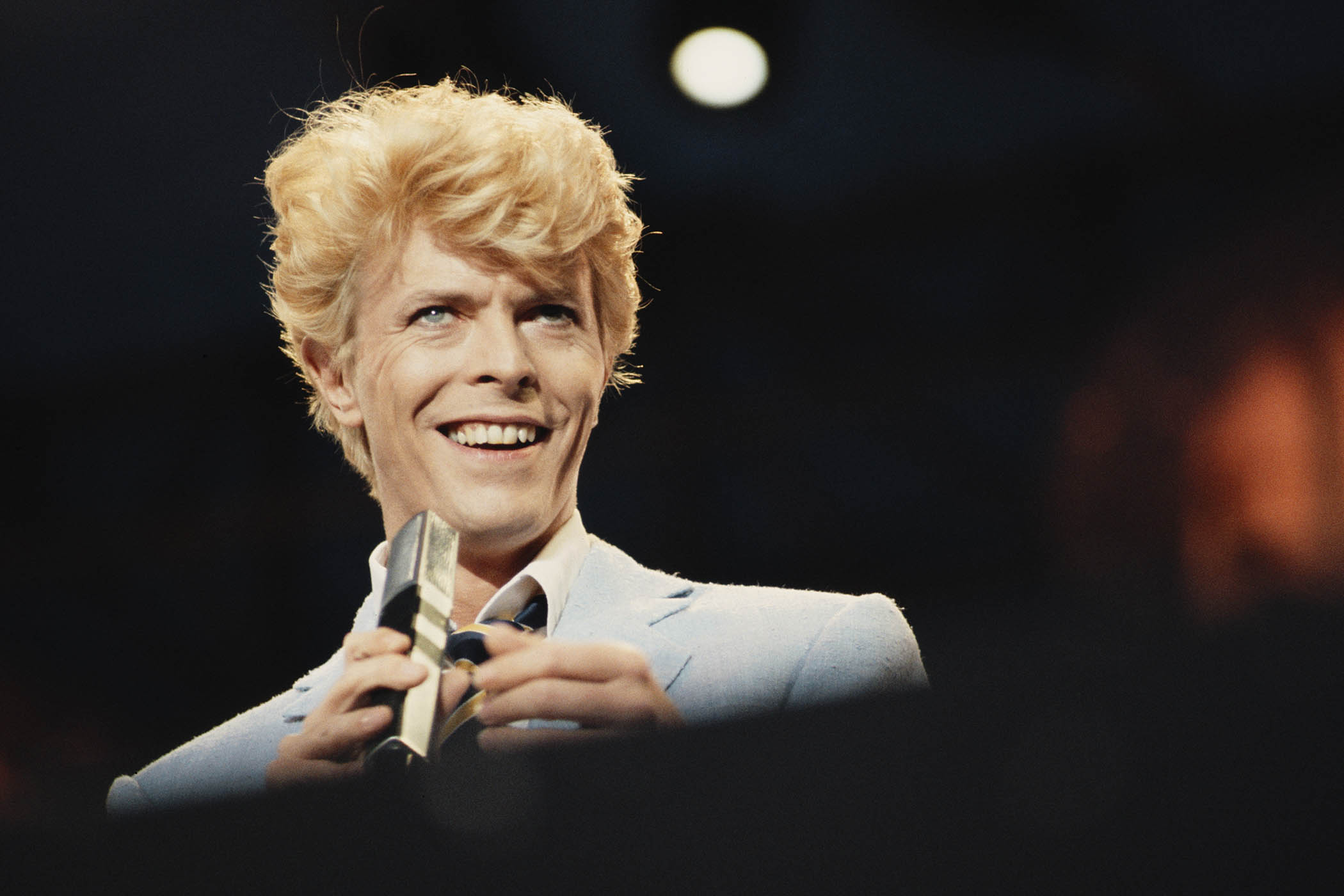
Ackman is framing the bid as an investment in “forever” cashflows from music rights. Since 1997 when David Bowie issued “Bowie Bonds” – securities backed by royalties paid on his catalogue – a healthy market in the rights of performers such as James Brown, the Isley Brothers and Britney Spears has boomed. While investors are eager to buy songs, they seem less willing to back the music companies that own most of them – UMG, the world’s largest music company, has seen its share price plummet since mid-2025.
Ackman’s $64bn offer is reminiscent of Buffett’s love for big positions. But in lifestyle and strategy, there’s a world of difference. Ackman is described by Puck as “big city-Harvard swagger… the kind of guy who puts a tennis court on his office roof, and who tells you his SAT scores before he really knows you”. This is a dramatic contrast with Buffett, who cuts out money saving coupons from newspapers and still lives in the house he bought for $31,500 in 1958.
Buffett famously said his favourite holding period is “forever,” with his fund Berkshire Hathaway riding out short-term market swings – although he now sits on a $370bn cash pile. Ackman made his name taking large, activist positions in controversial companies, and attempting to control them before selling out at a big profit. In 2012, he launched a $1bn short bet against vitamin company Herbalife, labelling it a “pyramid scheme” and lobbying for federal investigation before dumping his position in 2019 and losing almost all his investment.
Ackman’s philosophy has been changing. In 2025 his firm, Pershing Square Capital Management, announced a $900m deal to acquire 9m newly issued shares in real estate company Howard Hughes Holdings and a plan to turn it into a “modern-day version of Berkshire Hathaway”.
Ken Heinz, president of hedge fund industry bible HFR Inc, said: “Like most long short hedge funds, Pershing Square has done some shorting in the past, as when it shorted Lehman Brothers, but value buying is a more dominant strategy than shorting irrationally overvalued companies.”
Ackman’s plan could be frustrated by the family-owned Bolloré Group, whose long-term strategy makes Buffet look arriviste. The 200-year-old French conglomerate holds 28% of UMG. “Without Bolloré, we don’t have a transaction,” Ackman told investors this week, adding that he expects “overwhelming shareholder support”.
Bolloré’s support may not be overwhelming, however. The company has a 29.3-30.4% share in Vivendi, UMG’s previous owner, which still owns 13% of the music company. That stake, with 43% voting rights, ensures the Bolloré Group effectively controls the company, and under French law could be compelled to buyout minority shareholders, though Bolloré has appealed and awaits a hearing in May.
“There's a real risk Bolloré has to pay a mandatory bid at fair value for Vivendi, or choose to make a voluntary offer,” one analyst said. “Because Vivendi’s main asset is a stake in UMG, it makes sense for Bolloré to prefer the UMG share price to remain as low as possible. There’s no incentive to create value at UMG today. It’s a longer game.”
Newsletters
Choose the newsletters you want to receive
View more
For information about how The Observer protects your data, read our Privacy Policy
The long game is relatively new to Ackman. Can he truly play it?
Photograph by Michael Putland/Getty Images