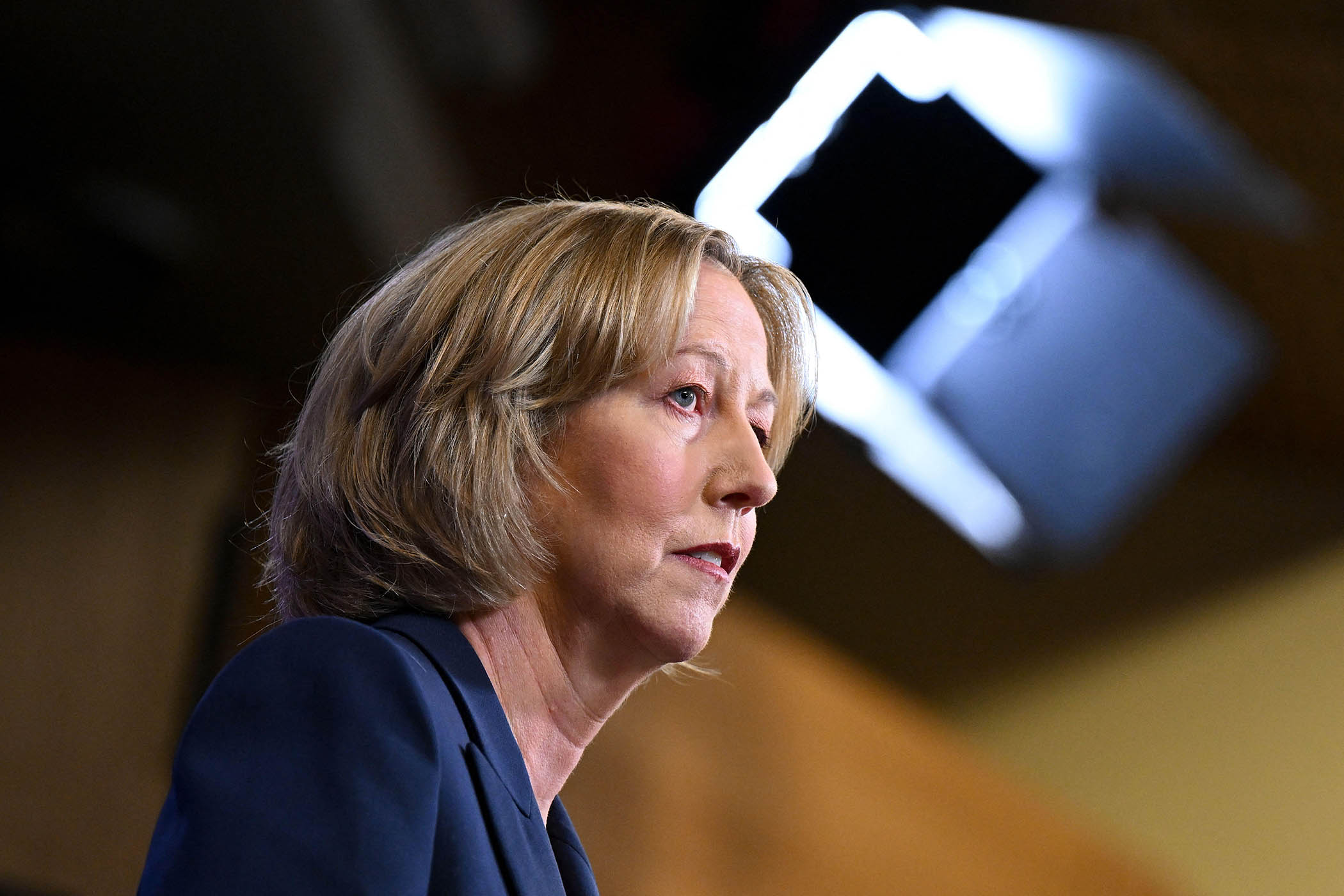


The 2025 annual meeting was a gruelling affair for leaders of Woodside Energy, Australia’s largest oil and gas company.
It had been disrupted by activists furious about a perceived lack of progress on climate change. As soon as chief executive Meg O’Neill began her opening remarks, they started blowing high-pitched whistles. O’Neill tried to drown them out by replaying promotional videos.
The interruptions continued, and eventually Woodside’s chair, Richard Goyder, stepped in to call an end to questions from environmental groups. “I reckon we’ve given environmental issues a really good go today,” he said.
Often in business, such interventions are wholly necessary, a demonstration that the chair has the boss’s back. Other times, chairs overstep the mark.
That appears to be the view formed by O’Neill of her latest chair, after just two months in her latest role at the head of BP. Albert Manifold, who had been in post for less than a year and oversaw O’Neill’s appointment, was booted out by the board this week over “serious concerns” about “governance standards” and “oversight”, and “conduct issues it deems unacceptable”.
For those not versed in the cryptic art of reading BP board announcements, here is the translation.
First, “conduct issues” refer to what several sources close to the company have described as “bullying” of staff. They say Manifold pulled in multiple top leaders at BP after his arrival and lectured them on the business and its strategic direction. At certain points the lecture veered into an “intemperate tone” and “vulgar language”, they claim.
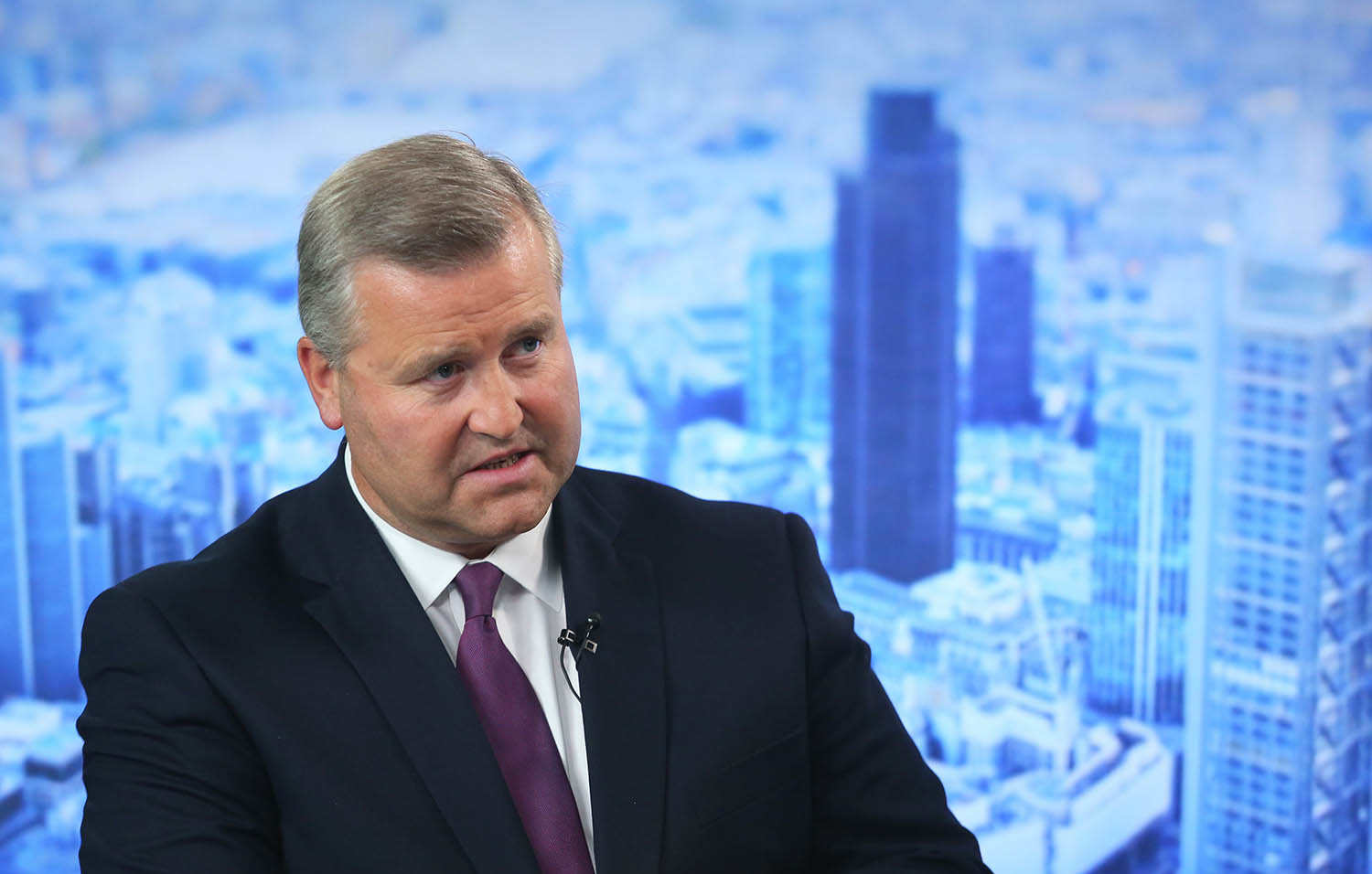
Albert Manifold
Manifold has hit back, describing the allegations as “lies” from people hiding “behind anonymity”, and has hired law firm Mishcon de Reya. He claims that at no point during his tenure was the matter of his conduct raised directly with him, and that he hasn’t faced any such accusations over his 40-year career. “Is it possible that in my determination to drive change on costs, performance, the balance sheet and shareholder communications, I pushed hard and challenged people directly? Yes, it is,” he said in a statement. His spokesperson did not respond to The Observer’s requests for comment.
Second, “oversight”. This appears to refer to claims that Manifold sat in on bilateral meetings between O’Neill and BP’s other non-executive directors. This is certainly outside the usual bounds of British business decorum.
“He hadn’t sat down and read the manual about becoming a non-executive,” says one source. Referring to the 10 years Manifold spent as chief executive of cement maker CRH, they added: “He was behaving like an executive chair, not a non-executive one.” Manifold has disputed the characterisation as “nonsense”, saying he spent only 13 days in BP’s head office.
Newsletters
Choose the newsletters you want to receive
View more
For information about how The Observer protects your data, read our Privacy Policy
While the combined role of CEO and chair is fairly commonplace at US companies, the UK’s system is more arcane. The most interventionist chair in British corporate history is arguably Mark Tucker, the first outsider to fill the role at HSBC. He clashed with chief executive John Flint over style, but unlike Manifold, came out on top. Flint left the bank in 2019.
Third and finally, “governance standards”. This could refer to many things. Reuters has reported that Manifold met the activist shareholder Elliott Management during his tenure without directly telling fellow board members. This was not technically a breach of any specific rule, but another example of acting unilaterally. Elliott has at least a 5% stake in BP and has been a key pressurising force in the company’s pivot back to oil and gas, as well as the ousting of O’Neill’s predecessor, Murray Auchincloss.
It is notable too that before his removal, Manifold had just emerged from a bruising annual meeting with BP shareholders, in which 18.2% voted against his re-election. A key point of criticism had been Manifold’s refusal to include a resolution filed by climate activists that has appeared on the company’s shareholder ballot successively for the past 16 years.
He also, according to reporting in the Financial Times, clashed with the company secretary, Ben Mathews, whose role was to advise the board on corporate governance. In comments since his departure, Manifold said he had sought to have a “relentless focus” on shareholders’ rights and making BP better, but “it felt to me that my priorities were not always shared by everyone”.
Both he and O’Neill were brought into the company to facilitate its return to fossil fuels after a botched foray into green energy overseen by the previous chair and CEO pairing, Helge Lund and Bernard Looney.
Looney was fired in 2023 for failing to disclose personal relationships at work and is now executive chair of an AI data centre developer. Lund was defenestrated in 2025 after pressure from shareholders.
So much churn and turmoil has left the company with the lingering sense of a split personality: an oil and gas major or a diversified energy business? A company that values insiders or outsiders? British Petroleum or Beyond Petroleum?
Decisiveness has been sorely lacking throughout the most recent period of BP’s rich history, and responsibility for that surely sits with a board that former executives say has been weak. But this week it made a choice and stuck to its guns. Perhaps now, with a more carefully selected chair and a fresh and single-minded CEO, the tanker can finally turn.
“Meg will be a good, solid CEO. But the distraction of explaining this situation while she is doing a strategic reset is an added challenge,” says one source close to the company. “How do you build investor confidence with this backdrop?”
Would the same have happened at Woodside? You can bet that O’Neill has asked herself that very question at least once this week.
Photographs by AAP/Alamy, Chris Ratcliffe/Bloomberg via Getty Images