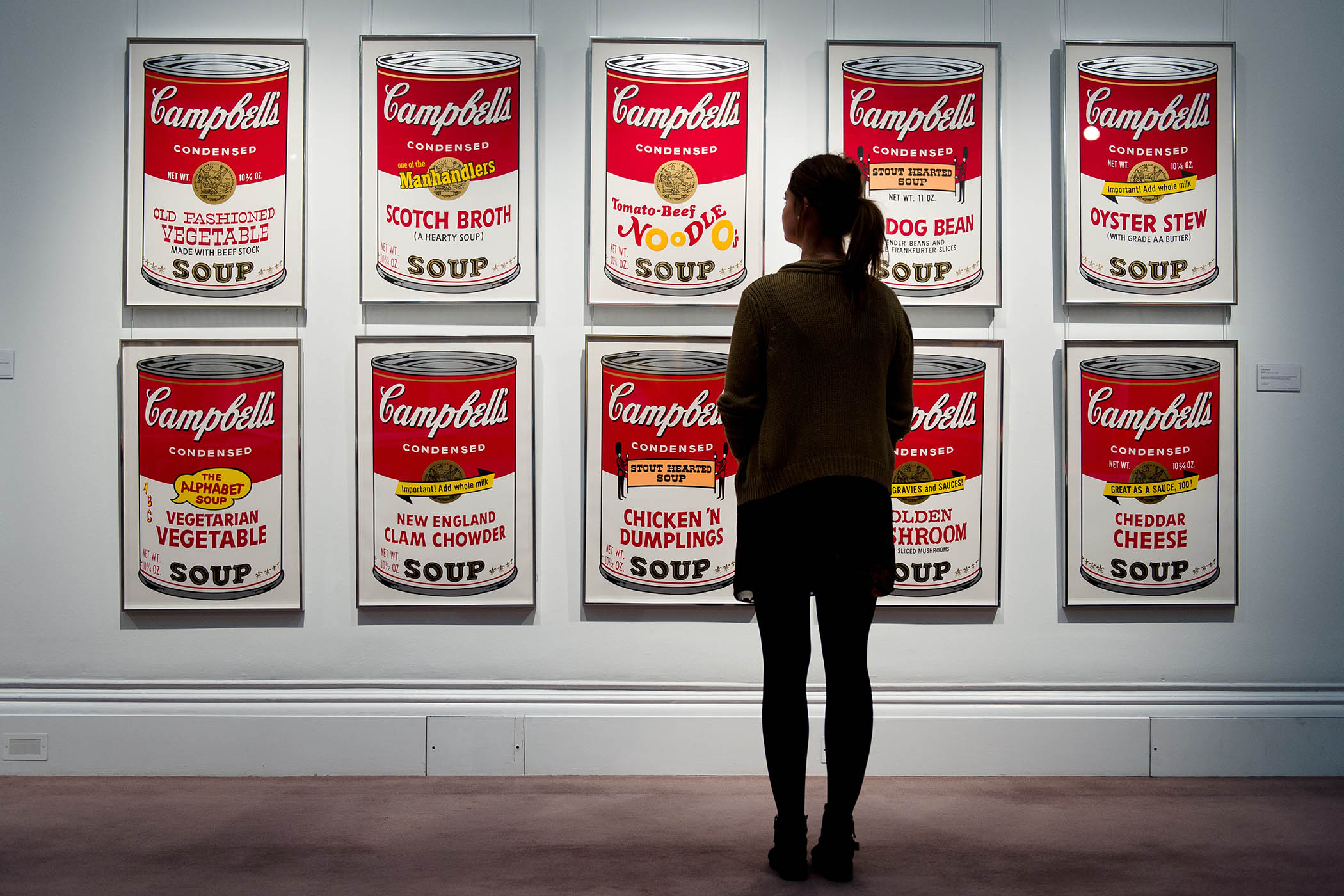



Shit for fucking poor people” is not a slogan that Campbell’s would choose for marketing its products, which were once made cool by Andy Warhol. No wonder the food giant has fired Martin Bally, the executive whose unappetising product description went viral last week. Still, the firm does not emerge well from the context in which the remarks became public, as recorded evidence in an unfair dismissal case by a former employee who claims that he was fired for whistleblowing about Bally’s remarks, which also alleged the product included a “piece of chicken from a 3D printer” (which Campbell’s also denies).
Don’t bad-mouth your own products is such an obvious rule of business that the rare public examples of such self-sabotage make headlines and do terrible damage to the brand. This is known as “doing a Ratner”, after Gerald Ratner’s own act of brand suicide in 1991 when he described the products of his eponymous British jewellery company as “crap”.
Other notable examples include Greg Smith, a Goldman Sachs executive who quit, claiming that colleagues often referred disparagingly to their clients as “muppets”. (An internal inquiry found more than 4,000 email references to Muppets but claimed that most were about the movie.) Abercrombie & Fitch was thrown into a body-shaming crisis after CEO Mike Jeffries said “a lot of people don’t belong in our clothes, and they can’t belong”.
There is a playbook for handling such disasters: fire those responsible immediately, refute where possible and apologise, apologise, apologise. But the best advice is: if you are an executive who hates your own products, just keep your dark thoughts to yourself.
Indeed, as the Campbell’s case highlights, given the ubiquity of recording devices today, don’t even mention them during what you consider private conversations.
Photograph by Leon Neal/AFP via Getty Images
Newsletters
Choose the newsletters you want to receive
View more
For information about how The Observer protects your data, read our Privacy Policy