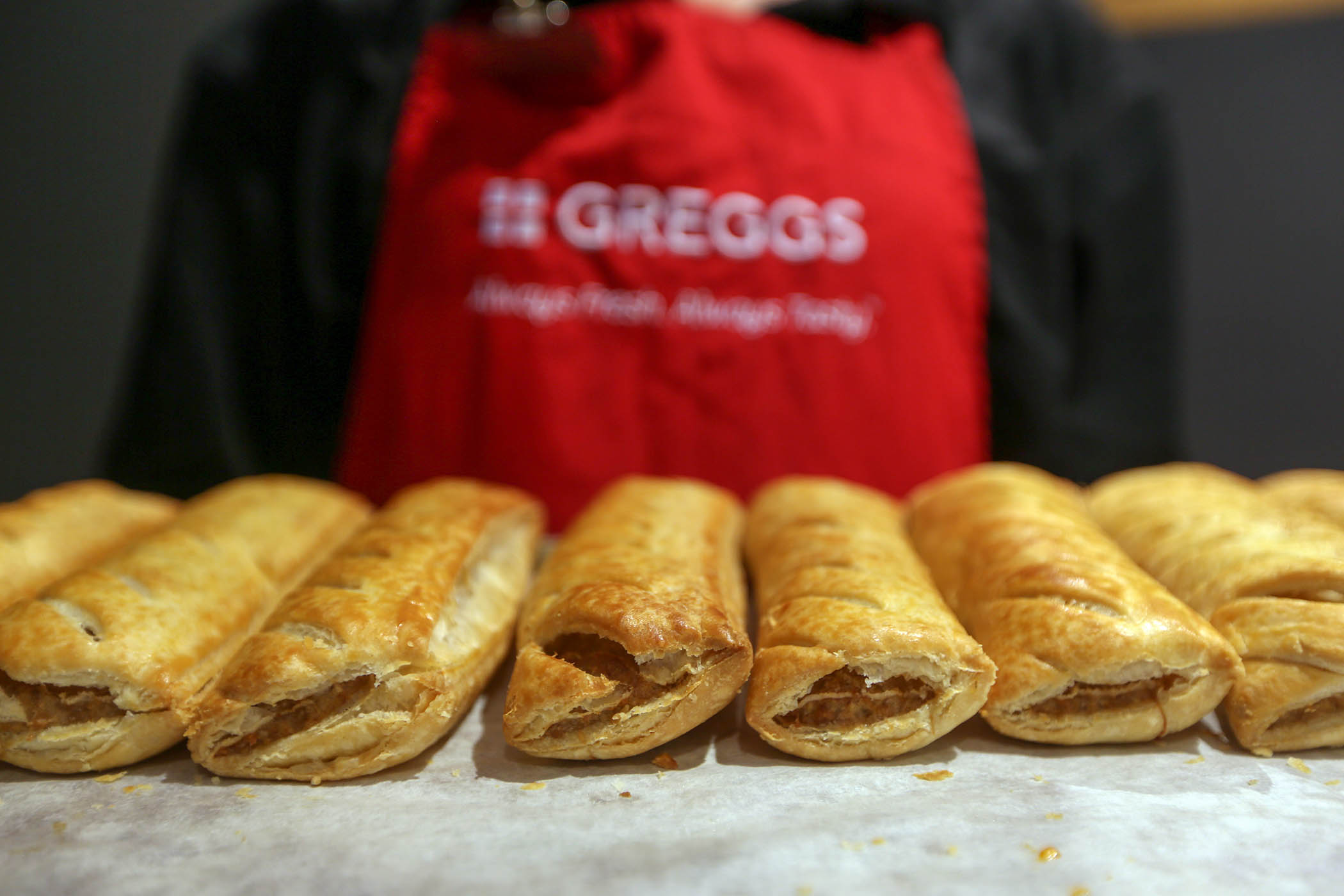

The boss of Greggs has suggested that GLP-1 drugs like Ozempic are affecting customers’ appetites, after the London-listed bakery chain posted a lacklustre trading update on Thursday.
Greggs reported a 2.9% increase in sales in the last quarter of 2025 and a 2.4% increase for the full 12 months. Investors were nonplussed. Shares tumbled by up to 10% after the update.
Chief executive Roisin Currie put the decline – less than half the like-for-like growth in 2023-24 – down to weak consumer confidence and hoped that lower inflation and interest rates might bring better times. She said household disposable income is “under more pressure than it’s ever been” and “there’s a portion of customers that don’t have a lot of disposable income to spend, so they’re having to make choices about how and where to spend money”.
But Currie has also joined a number of other retail food executives choosing to blame the rise of GLP drugs, and added there was a “broader health trend” emerging with people demanding more protein.
Kantar, an analytics business, estimates that 4.1% of the UK population use GLP-1, so any impact on Greggs is surely no more than a rounding error.
As for Greggs’s famous sausage rolls, Currie plans to keep prices where they are. “There aren’t any plans for any further prices just now, but we will continue to keep that under review.” Whether her decision to raise prices three times in 2025 has affected sales did not form part of the trading update.
Is it all doom and gloom for the chain? Not according to JP Morgan, a bank which started covering Greggs shares in December and, like many of us in January, is “overweight” on the stock.
JP Morgan argues that Greggs trading at a 40% discount to 10-year historical price-to-equity averages represents a buying opportunity and that the baker is a “structural winner” with markedly superior economics to its peers.
Hargreaves Lansdown, the financial services firm, agrees and believes Greggs’s expansion through franchising, transport hubs and delivery represents smart distribution and proves “peak Greggs” is some way off. “The sharp reaction is in part because such a high bar has been set, a testament to the job management has done over the past year or so,” it said.
Photograph by Chris Ratcliffe/Bloomberg via Getty Images
Newsletters
Choose the newsletters you want to receive
View more
For information about how The Observer protects your data, read our Privacy Policy