In his weekly ‘Any Other Business’ column in the print newspaper, Will Hutton makes sense of the latest business news. To subscribe to the paper, click here.
Trump’s market meddling meets corporate caution
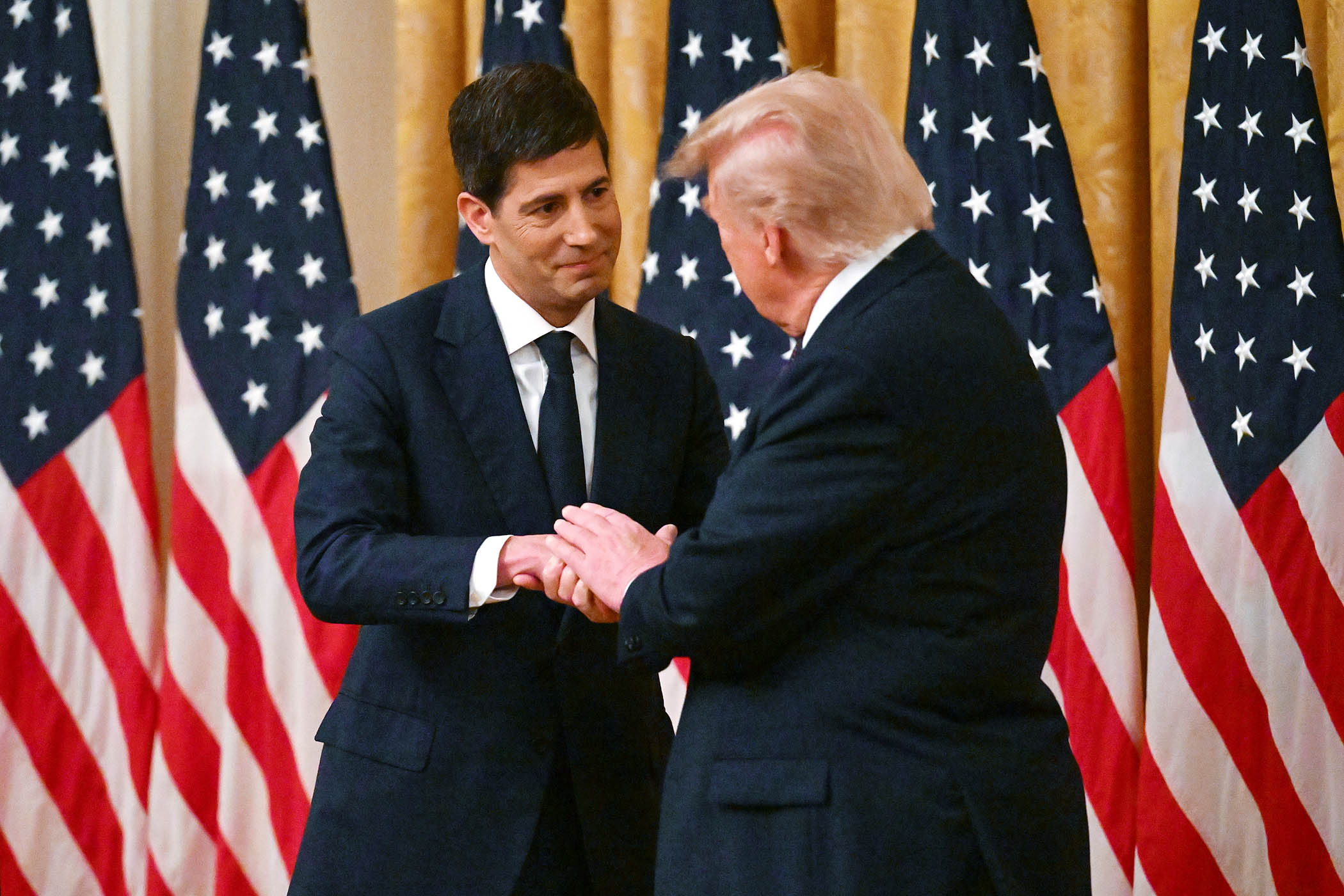
Donald Trump’s industrial policy has become hyperactive. In the last week alone, the US president has seized Venezuelan oil and convened big oil bosses to figure out what to do with it, threatened to take away lucrative Pentagon contracts from defence giant Raytheon and banned private equity firms from buying up single family homes.
These interventions got a mixed reception. Most of the oil majors seem less than thrilled, for example, asking for financial guarantees from the US Treasury before they will invest the billions needed to restore Venezuela’s wrecked crumbling infrastructure.
Raytheon earned Trump’s ire by spending its money on buying back its own shares – something many companies do, often to inflate the pay packets of their bosses. Private equity ownership has not made housing more affordable, though banning it may not do so either.
Trump Risk is now arguably the greatest source of C-suite uncertainty. Managing it is hard: there is a thin line between sucking up to the president and being sucked into an initiative that may have been conceived during a quiet moment in the Oval Office and might vanish equally fast.
As Trump’s approval rating falls ever lower, the casual business cheerleading and donating to presidential projects of his first year back in office has given way to a growing corporate caution – not least since he might be followed by a president who views business differently.
Jamie Dimon, the boss of JP Morgan, pointed this out after the bank declined to join other leading firms in donating to the new White House ballroom. “We’re quite conscious of risks we bear by doing anything that looks like buying favours or anything like that,” he said. “Also, how the next Department of Justice is going to deal with it.”
Health check for US investors
A good guide to investor expectations for innovation in the year ahead comes from two huge industry events held each January in the western United States. Optimism bordering on euphoria was the vibe at last week’s Consumer Electronics Show in Las Vegas – a city that loves to emphasize hope over risk. A more cautious mood is expected this week at the JP Morgan Healthcare conference in San Francisco.
Newsletters
Choose the newsletters you want to receive
View more
For information about how The Observer protects your data, read our Privacy Policy
The agendas of both events were dominated by the possibilities of artificial intelligence, but there seems to be unlimited investment dollars available for products that combine AI with physical hardware – from self-driving vehicles and humanoid robots to Lego’s Smart Bricks that deliver light and sound effects in response to being moved.
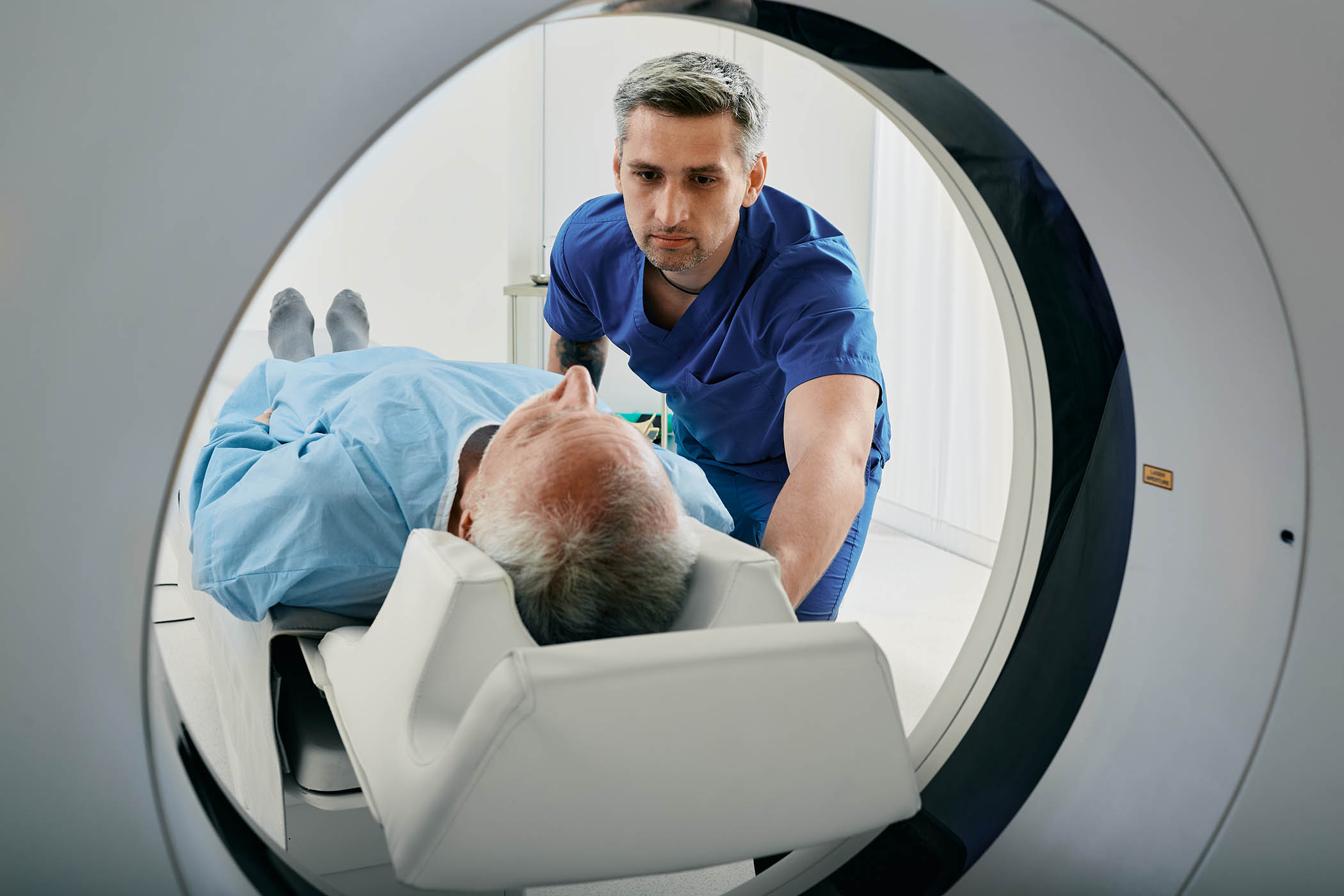
Attendees at the JP Morgan event, by contrast, are hoping for any signs of an increase in investment after a couple of grim years for the sector, especially biotech. The promise that AI would transform healthcare product development and start to significantly extend the quality and length of life has so far been fulfilled more slowly and patchily than expected. Plenty of venture capital dollars have been lost. Yet there has been an uptick in healthcare deals – especially mergers and acquisitions.
Perhaps a few blockbuster IPOs will follow. That would certainly lift spirits, especially at a time when in the US regulation has become erratic and irrational under health secretary Robert F Kennedy and government spending cuts have hurt medical research.
Some investors fear that the big AI firms that dominated the CES may be about to see their share prices crash even as an upturn starts in the healthcare sector investment cycle. The mood at both events could be very different this time next year.
Farmers split on whether AI will benefit or harm food production
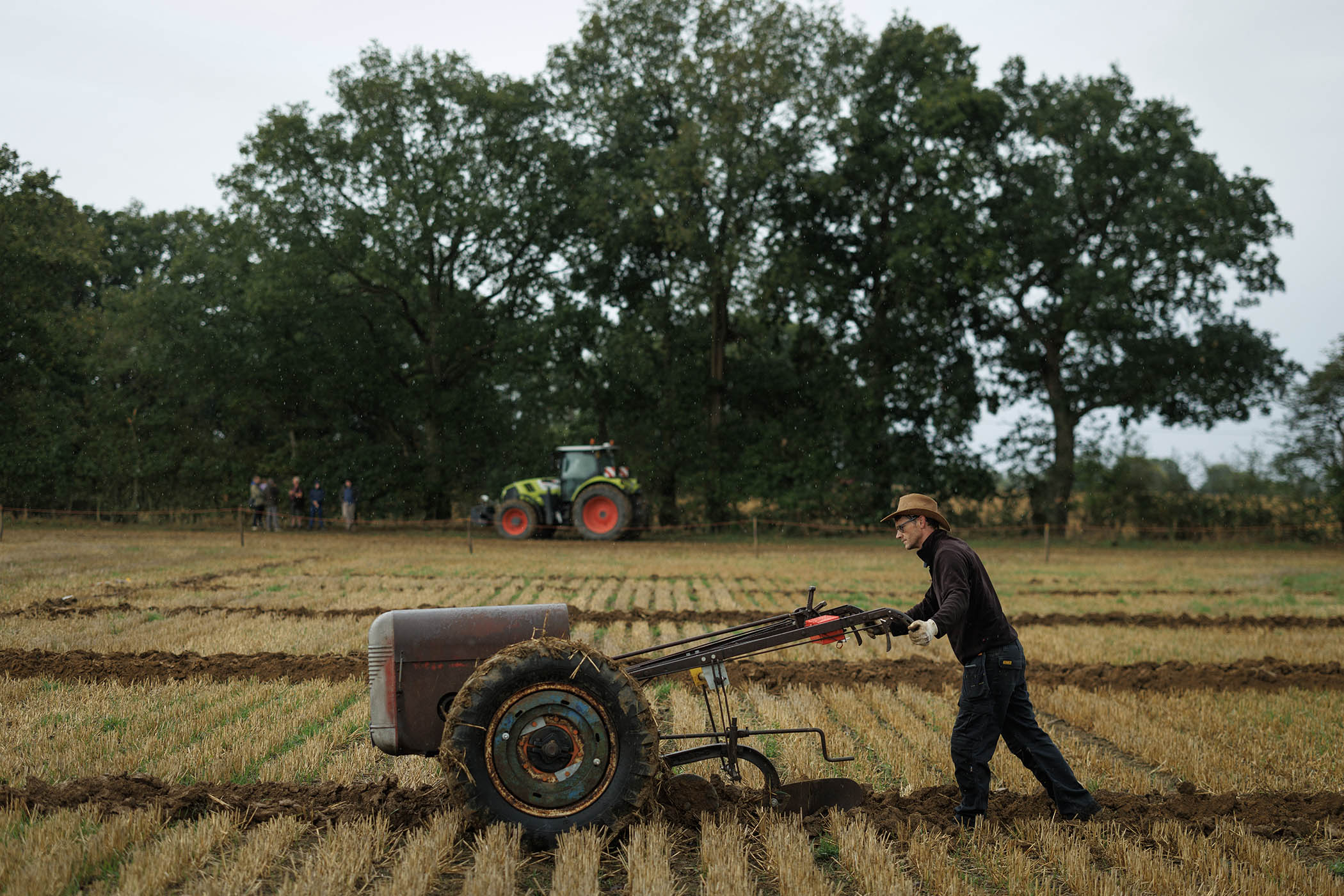
Farm work is not usually seen as a victim of the possibly imminent AI jobs Armageddon. Yet even as they celebrated the Labour government's timely U-turn on inheritance tax, attendees at this week's 90th annual Oxford Farming Conference contemplated what artificial intelligence might mean for employment in their industry.
“This house believes that in the next 90 years farming will become a one day a week job”, was the motion conference participants debated at the Oxford Union. Arguing for, and claiming that this dramatic shift would be a good thing, were Elliot Grant, former head of Google parent Alphabet’s “Other Bet” in agriculture, and Kate Russell, managing director of Tellus Natural Capital, who envisaged a world in which AI transforms all work for the better, including on the farm, by removing the worst aspects of it. They predicted an AI-driven revolution in the productivity of farming, a rural techno-Utopia, including through the development of nature markets in which farmers get paid for providing ecosystem services such as water and other resource management.
Against the motion were Sue Pritchard, CEO of the Food, Farming and Countryside Commission and Tracey Roan, a Scottish dairy farmer. They argued for keeping humans at the heart of food production, not least because AI will never be able to match the innate knowledge that farmers get through their years working intimately with their land and livestock. More fundamentally, they highlighted the risk that further removing people from farm production AI will only accelerate unhealthy trends such as the rise of ultra-processed foods. Policymakers should ensure that AI is not allowed to do that.
In short, as with most predictions about the impact of AI, no one really knows. The motion was defeated by 228 votes to 136 - far closer than the debate organisers expected.
Photography by Dan Kitwood/Getty Images