


The world is buying Britain’s brains. Isomorphic Labs, an AI drug-discovery company spun out of Google’s DeepMind, is in talks to raise another $2bn in funding from investors led by Thrive Capital.
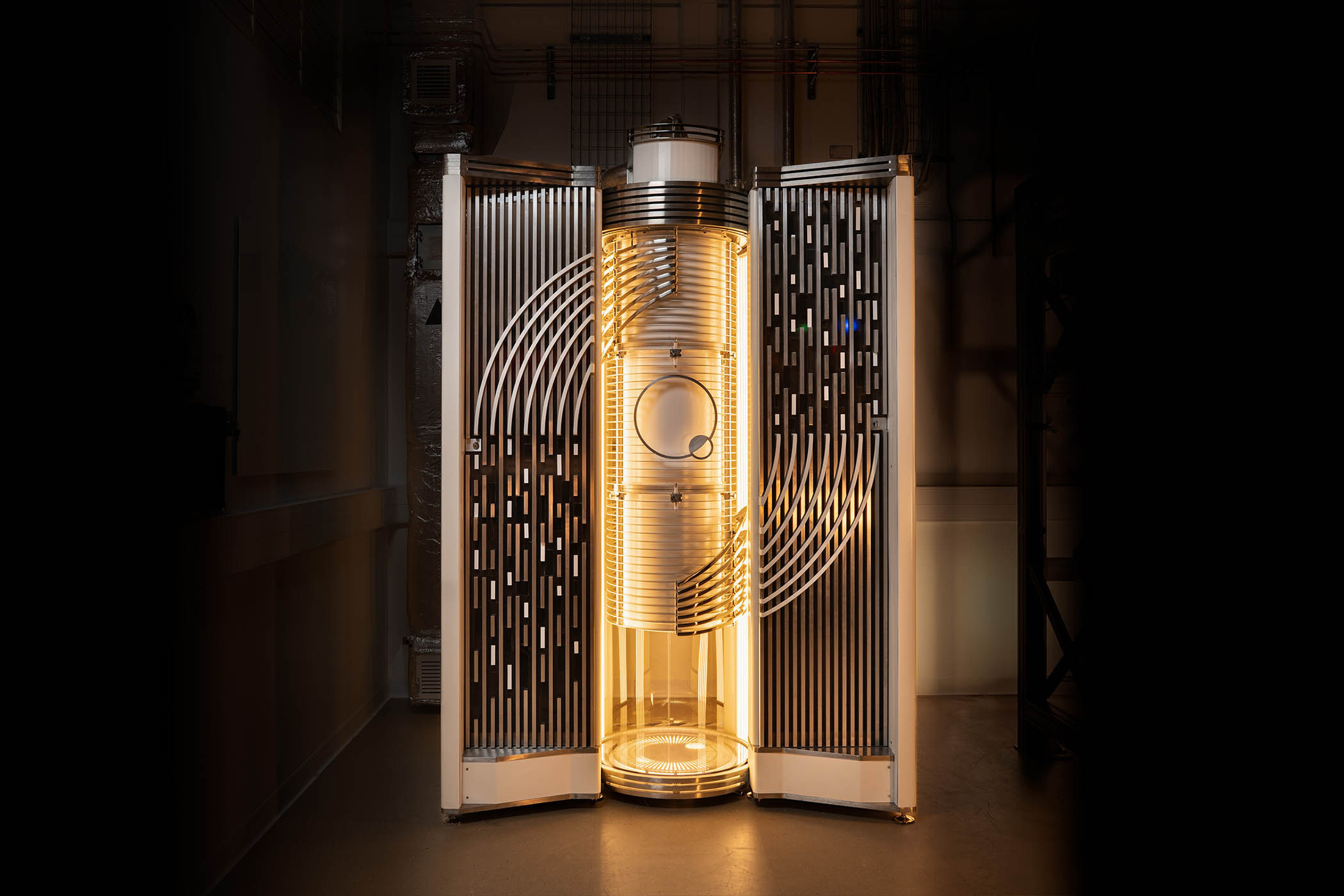
Quantum Motion, a spinout from Oxford University and UCL that builds quantum computers with silicon chips, closed a $160m financing round this week with funds from EU-backed tech fund Kembara and the British Business Bank (BBB). It is the largest early-stage raise in the UK’s quantum sector to date.
But will betting on technological moonshots of this kind actually transform Britain’s growth prospects?
“If the UK is going to build its first trillion-pound company, it will come out of one of the deep tech university ecosystems,” says Ed Bussey, chief executive of Oxford Science Enterprises (OSE). The firm – in which Oxford University holds a 5% “golden share” – is an early investor in Quantum Motion.
Britain’s AI sector is gathering steam. But quantum – the mind-bending quest to build an exponentially more powerful computer that can instantly deliver scientific leaps forward in everything from GPS to drug discovery – hasn’t yet achieved commercial use. The geostrategic and financial stakes for Britain are huge.
The UK government estimates quantum breakthroughs could boost productivity by 7% over the next two decades, creating more than 100,000 jobs and adding the combined annual output of Wales and Northern Ireland to GDP. It has announced more than £2bn of support for the sector, including funding from the BBB.
“Despite the interest from the giants – Google and so on – there’s still uncertainty as to which approach is going to win overall,” says Quantum Motion’s co-founder John Morton. “There are lots of opportunities for companies, even at an early stage, to pick the right approach and get a really strong position in that industry.”
His conviction is that by using silicon – the same material widely used in chips for smartphones, laptops and cars – the company can tap into existing supply chains to build computers that are cheaper and more deployable than those of their rivals. Quantum Motion built one at the UK’s national quantum computing facility last year and has progressed to stage B in an international competition hosted by Darpa, the US innovation agency.
But investors require patience (Morton says that even advanced chips currently have “more in common with an abacus than with a quantum computer”) and a healthy appetite for risk.
A report from the Tony Blair Institute argues that Britain’s quantum ecosystem, which boasts the second-highest number of startups in the world, is “strategically exposed”. It points to a lack of high-risk capital and infrastructure to scale those companies, forcing several of the brightest prospects to look for the door.
Newsletters
Choose the newsletters you want to receive
View more
For information about how The Observer protects your data, read our Privacy Policy
Oxford Ionics, another quantum startup from OSE’s portfolio, was sold to US-based IonQ last year for $1.1bn. Universal Quantum has set up a Hamburg office to win a major German procurement contract.
Bussey is blunt about the problem: the institutionalised risk aversion of the UK pensions industry. “The majority of the Mansion House Compact signatories are missing in action from this space. On one level, we have CEOs who signed that document, and you go one level down and there are people in the business who think they just shouldn’t even be doing this.”
Meanwhile, American investors with deep pockets and tech know-how are all too aware of the opportunities. Opinions vary on whether the UK should welcome the interest. “We are now talking actively with US VCs [about] funds they can set up with a UK focus,” says Leandros Kalisperas, chief investment officer at the BBB. “The US VC system has matured to such an extent that they can have specialisation in certain sectors that we have not done in the UK.”
With the right approach, there’s a future for Britain where the City and the country’s world-leading research base symbiotically interact to fuel innovation and get the flywheel of capital turning. The answer might be lying beneath our feet. “One of my Gulf investors said to me when I just started this job: ‘Ed, you are sitting on our equivalent of Gulf Oil’,” Bussey says.
It’s time to start pumping.
Photograph by Christy Nunns/Quantum Motion