Britain has lost the plot on growth, and the headlines have not been helpful. The defining issue of last week’s elections was not the personality or leadership of Keir Starmer. It was not dissatisfaction with a political system dominated by two parties, or the eco-socialist dreams of the Greens, or even the corruption seeping into the body politic via the cannula of Reform. It was the impact of almost two decades of stagnation on voters’ lives – their earnings, education, opportunities, health, security and retirement, and their sense of whether government can make improvements.
Without a growing economy, it can’t. We have therefore devoted most of the business section to The Observer’s Rethinking our Future (see pages 39 – 44), with an emphasis on two central questions framing every political argument between Labour and its rivals: where did growth go, and how does Britain get it back?
Answers to the first of these are strewn across recent history. UK GDP took five years to recover from the 2008 financial crisis. Productivity and wage growth still have not recovered. The self-harm of Brexit has taken 6% to 8% off GDP, and that is probably just a start. The precarity of Britain’s public finances was hidden from view in the decade of ultra-low interest rates that followed the crash, but is now in plain sight: debt service costs will consume more than half as much as the NHS this year, and more if the bond markets choose to punish extra borrowing. Long-term underinvestment in infrastructure and skills begets more underinvestment, and underlying the whole torpid story is a profound unseriousness about growth itself: the notion on the right that the market will provide if left to itself, and on the left that, if not, the state will step in.
This is half-baked thinking, as unequal to the task as Boris Johnson’s supposedly oven-ready Brexit withdrawal agreement. If Britain’s public services are to be properly funded, its defences strengthened as they must be and its people fulfilled, this government must focus seriously and single-mindedly on growth, never mind the indignation that may provoke on its own left flank.
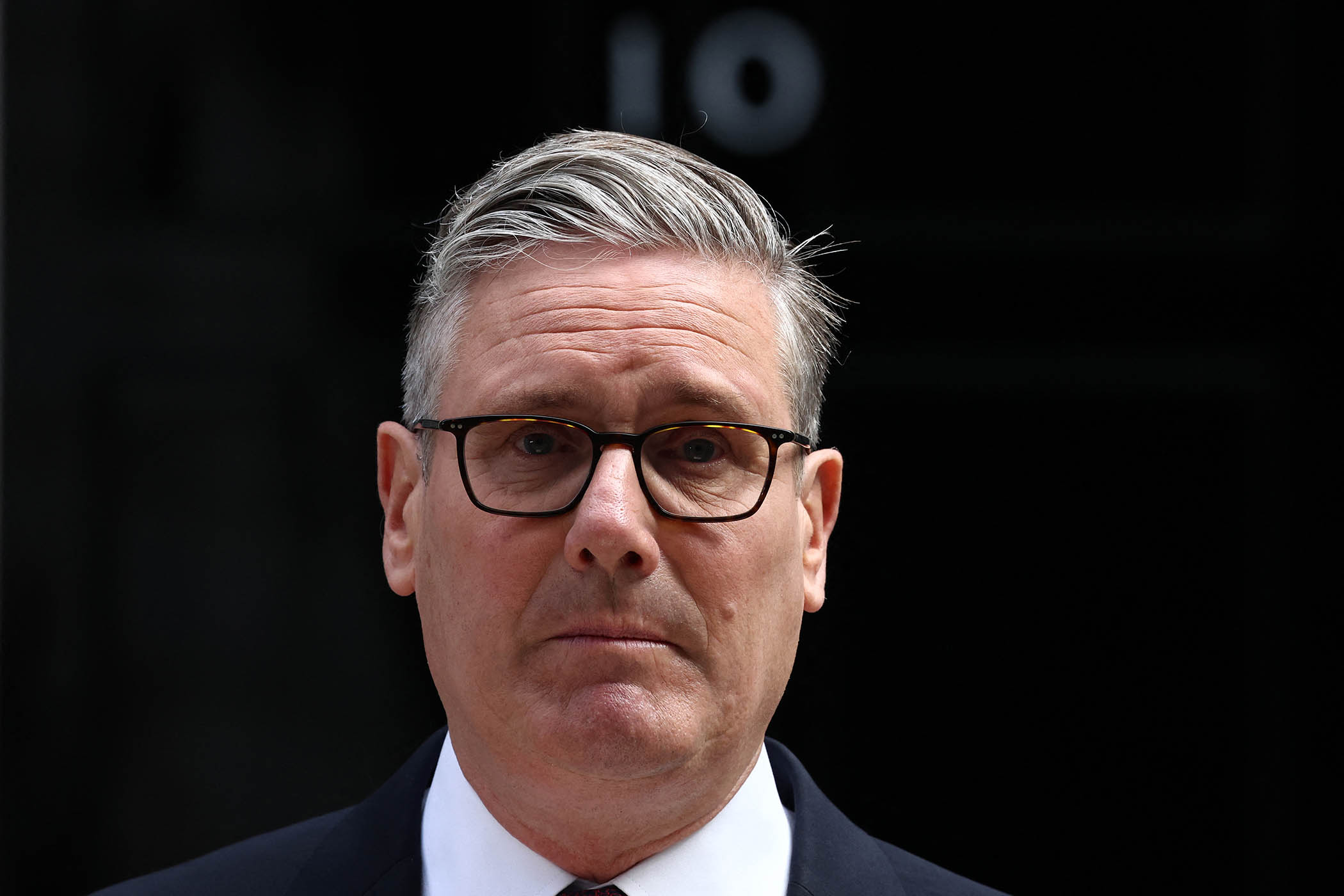
Starmer does not have to bring back non-dom privileges to make Britain a magnet for investors. He can do this with a sensible mix of rules on visas, tax and residency. He can insist that government does, rather than talks: it procures, it pushes through planning, it devolves. He must signal that he understands the challenges faced by employers as well as employees, and by small and big businesses. Expansive workers’ rights on day one of a new job can kill a startup, and the Treasury will never know which of those that fail might have become a unicorn.
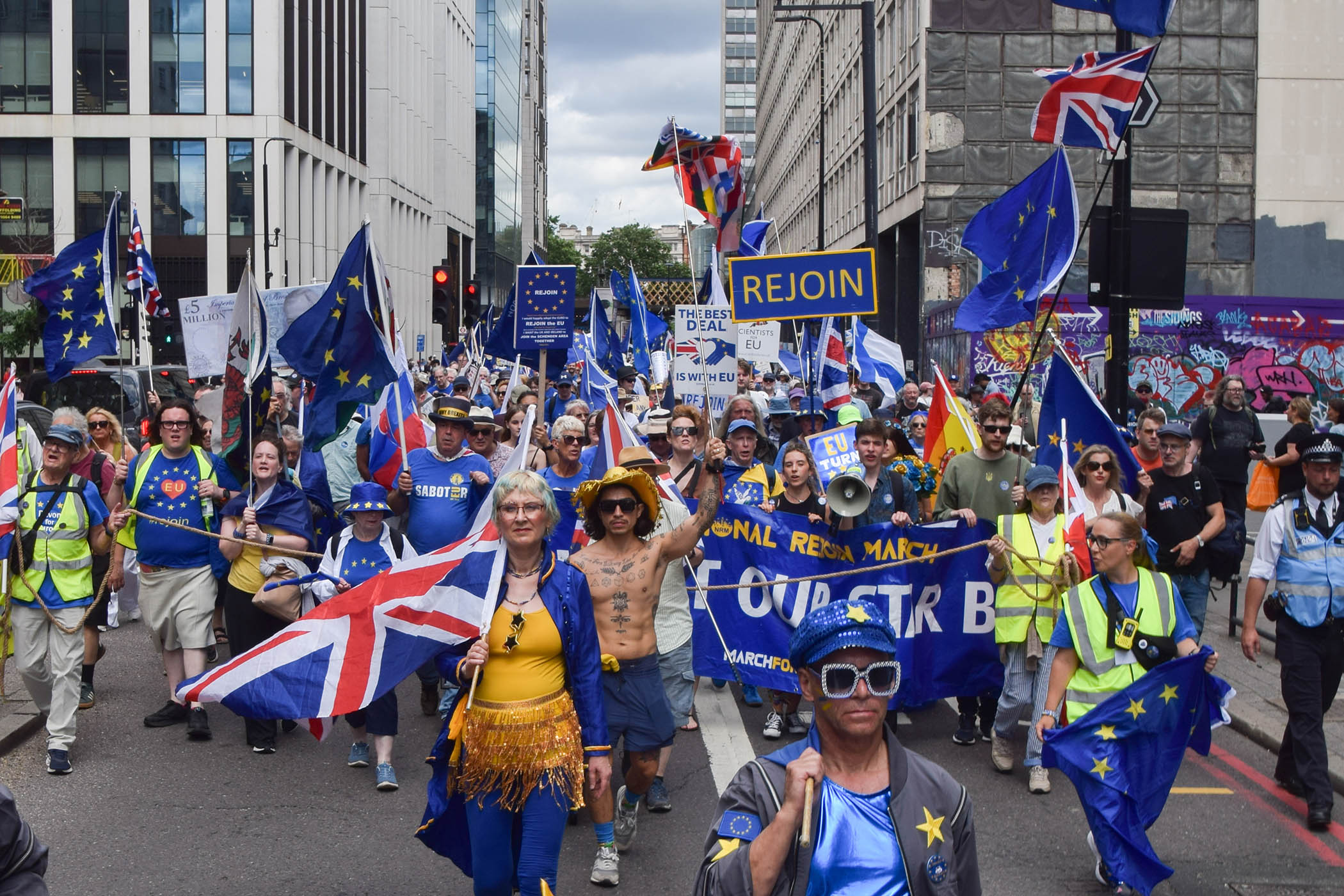
T he government must act on five fronts, first with enough investment to expand the UK’s power grid to the point that reliance on gas falls and with it the cost of energy. Second, it needs to restore confidence in London as a global financial centre, starting by recovering its role as the New York of Europe. That will require, third, a Europe strategy that recognises that the gains of any “reset” will be marginal compared with those of rejoining the EU. Fourth, a government restoring investor confidence needs to show it has a grip on its future finances, from welfare reform to replacing the triple lock. And, fifth, a central task must be to incentivise private investment and unlock pension capital in infrastructure, technology and the life sciences on a vast scale, so that city regions outside London grow into thriving service hubs. Tech bros did not create the internet or Silicon Valley. US federal research grants did. Likewise, the Oxford-Cambridge corridor won’t build itself as a new nexus of high-wage jobs and technology, but government can help will it into being.
No one said reviving growth would be easy. Easy answers are for populists who don’t care when policies implode on contact with reality. But without growth, Labour’s agenda is dead and the outlook for progressive government given the looming Faragist storm looks bleak. Crack growth and Britain can do much, much better.
Photograph by Matthew Horwood/Getty Images
Newsletters
Choose the newsletters you want to receive
View more
For information about how The Observer protects your data, read our Privacy Policy