
The Super Bowl is nowadays about much more than determining this year’s top American football team. It is also about the culture war, fought out during the half-time music show. This year, a pro-Maga concert by Kid Rock will be screened online, up against the official show by anti-Trump rapper Bad Bunny.
Above all, it is an annual window into the state of US consumerism, or at least, into the companies with the biggest marketing budgets, as the advertising industry showcases what it hopes will be the year’s hottest campaigns.
A premium 30-second slot during this year’s Super Bowl, reaching an estimated 100 million viewers, will cost a record $10m. A classy commercial for Apple, made in 1984 by acclaimed Hollywood director Ridley Scott, probably marked the moment when seeing the latest ads became more compelling for some viewers than the game itself. A 2010 survey found that more than half of viewers enjoyed the commercials more than the sport.
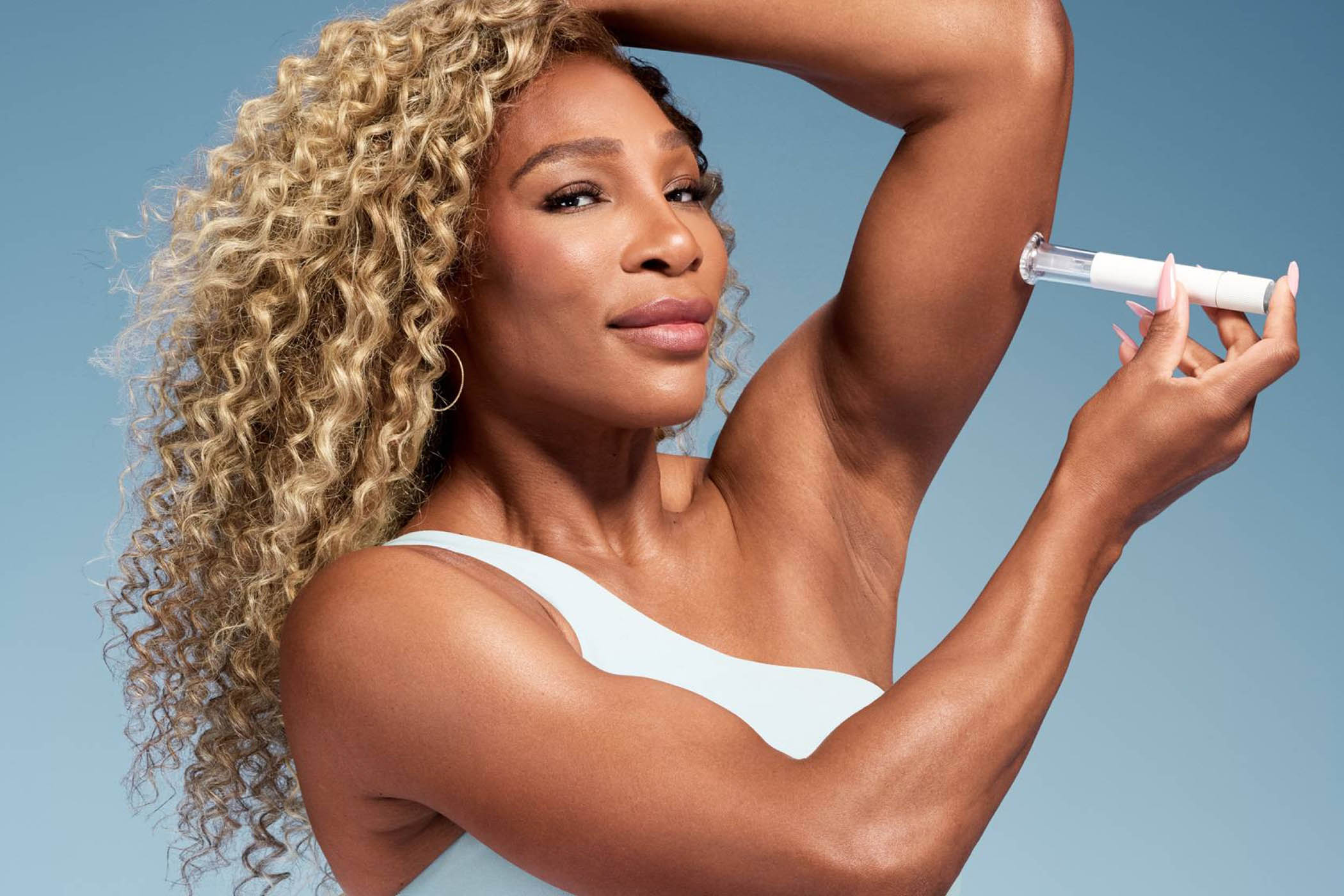
This year’s headline theme is weight loss, closely followed by online gambling and various takes on the future of artificial intelligence. Several healthcare firms plan to push GLP-1 slimming drugs, with a trimmer Serena Williams fronting an ad by telehealth firm Ro. Oakley Meta will push its AI-enabled glasses, while Anthropic will use an ad to attack its rival Open AI over plans to use ads to monetise AI.
Winning the advertising Super Bowl is not always a favourable sign. This year’s top spenders must hope for better luck than their counterparts in 2000 – the so-called Dot-Com Bowl – and 2022’s Crypto Bowl, when some of the highest-spending companies blew up soon after as the financial bubbles that had made them flush with cash suddenly went pop.
Photograph by Ro
Newsletters
Choose the newsletters you want to receive
View more
For information about how The Observer protects your data, read our Privacy Policy