


Revolut is preparing to roll out private banking services for wealthy UK clients from late summer, and has stepped up hiring for multilingual bankers and lawyers used to working with high-net-worth individuals.
The neobank, which was awarded a full banking licence in March, plans to make inroads into a highly competitive market by targeting clients with more than £500,000 in assets who have built wealth quickly but aren’t eligible for established private banks such as Coutts or UBS, according to people familiar with the plans.
“Private banking is a natural extension of Revolut’s playbook of ‘grow everywhere, grow fast and break things’,” says John Cronin, founder of SeaPoint Insights. “It doesn’t consume large amounts of capital, it is a service rather than a loan product, and it taps into a growing high-net-worth customer base within their overall customer cohort.”
Last week Revolut’s UK boss, Francesca Carlesi, announced the firm was preparing to launch five credit cards for British customers. It’s understood that these will be tied to existing subscription tiers, including an “ultra plan” to compete at the higher end of the market.
As the business prepares for a hotly anticipated public offering in 2028 – and weighs a secondary share sale that would value it at $115bn – the addition of a consistent revenue stream in private banking fees will fuel the narrative that Revolut is growing up. The company has reportedly removed the “Get shit done” sign that used to hang in its offices in Canary Wharf, and last year hired the establishment banker Frédéric Oudéa, the former chief executive of Société Générale.
But sector analysts and potential competitors remain quizzical about how a hard-charging tech startup plans to break into a business that has historically relied on human connection; on the hard yards of taking clients out to lunch and dutifully asking about the children’s GCSE results.
“Compared with other banks and mainstream investment providers, Revolut does not track that well in terms of customer support or quality of communications with investment customers,” says Holly Mackay, chief executive of Boring Money, a website that runs a survey tracking 30 brands offering direct investments to non-advised clients. “Private banking is a highly regulated and complex business which is expensive to deliver and relies heavily on customer trust.”
The chief executive of one mid-sized private bank agrees that relationship management is essential: “For private banking clients, how good the digital proposition has never been the differentiator. It’s seen as a hygiene factor.”
But is Revolut’s target client all that fussed about face-to-face? Data on an addressable market of wealthy, “digital native” customers is hard to find. Globally the number of people who became millionaires from crypto – an asset class that Revolut has championed – surged 40% in 2025 to 241,700, according to Henley & Partners. Freshly minted social media influencers and recently exited tech founders may also be in the bank’s sights.
But these are early days. Average deposits per Revolut customer are at £534, up from approximately £425 the prior year but dwarfed by the average high street deposit. The market is crowded: NatWest recently acquired Evelyn Partners, a wealth manager targeting a similar gap in the market. Barclays last week scrapped monthly fees on its direct investing platform, which Mackay says is bringing the “fight to challenger fintechs”.
Newsletters
Choose the newsletters you want to receive
View more
For information about how The Observer protects your data, read our Privacy Policy
There’s an argument that Revolut’s private banking pitch is really IPO window dressing. The bigger challenge is to build out its loan book. “[Revolut’s founder] Nik Storonsky is routinely praised as a genius,” says Cronin. “Yet they’ve not proved concept in a lending context, as it would necessitate substantive incremental capital injections. Right now the plan is just to be exciting enough on customer numbers and deposits to get the tech guys to buy at IPO.”
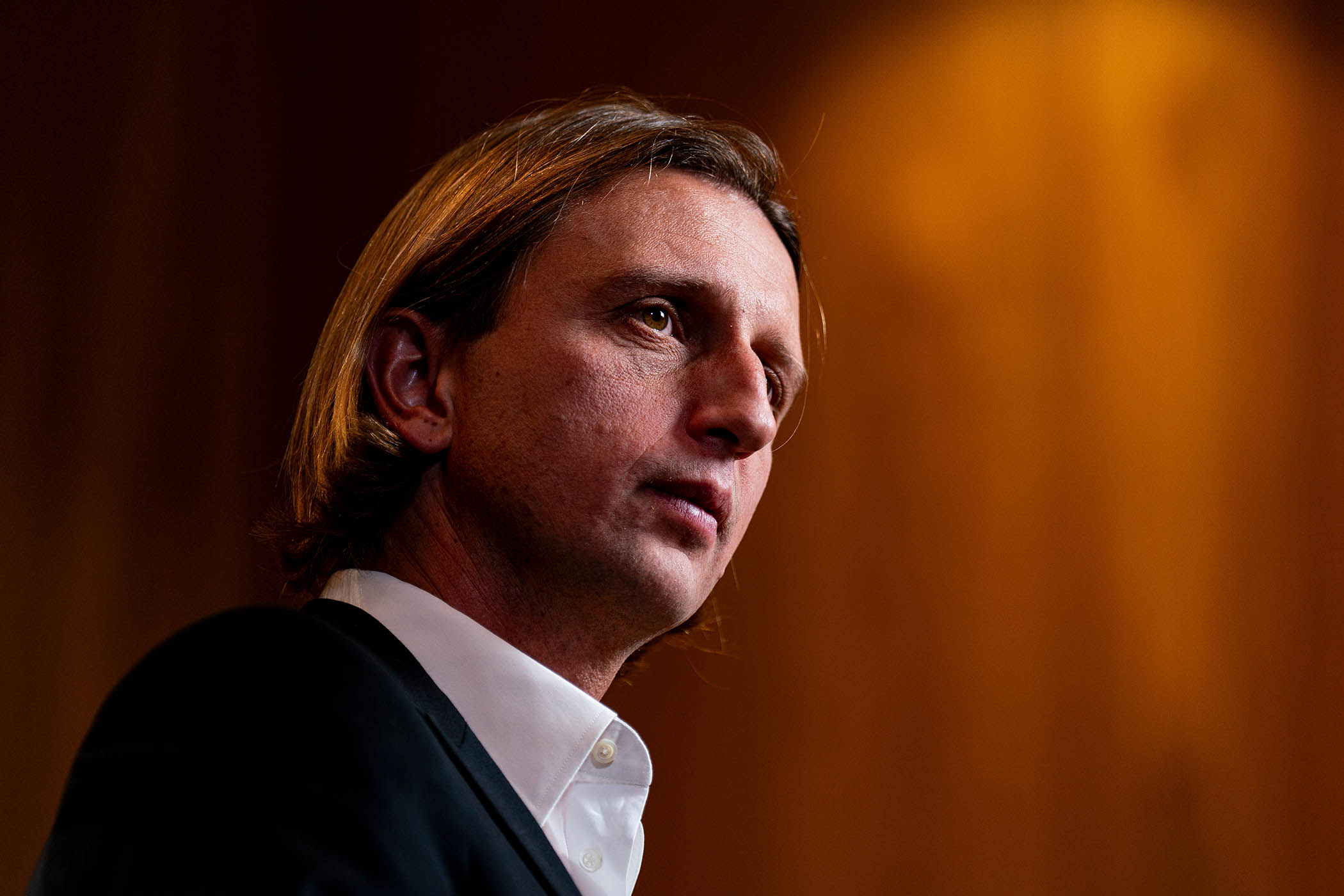
Photograph by Al Drago/Bloomberg via Getty Images