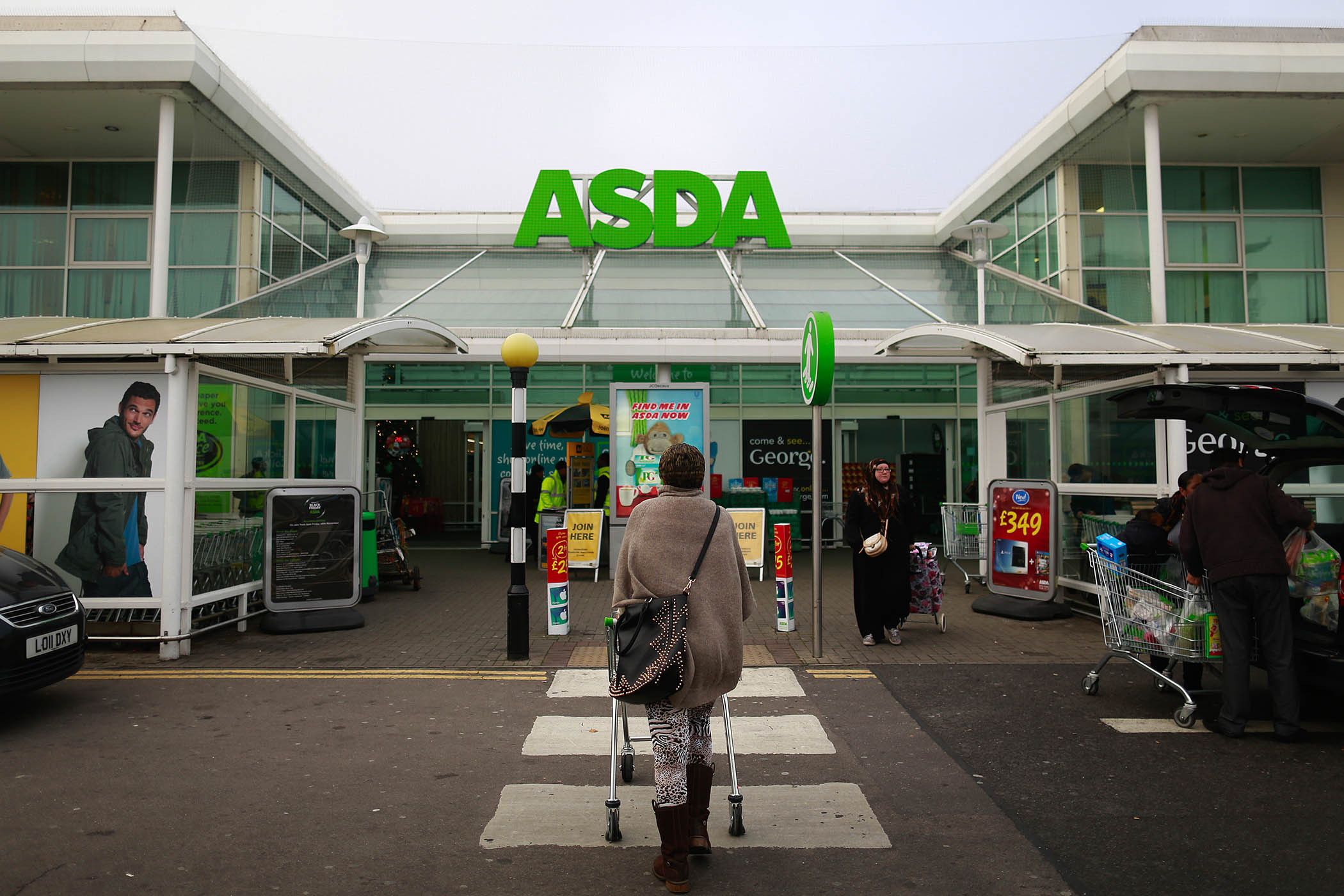

Allan Leighton is no stranger to the discount wars. More than two decades after he had helped rescue Asda from the brink of bankruptcy, he was brought back in November 2024 as chair of Britain’s third biggest supermarket chain. His main strategy has been to revive the Asda “rollback” campaign of permanent discounts. But can it work a second time?
Results last month did not paint a pretty picture. Asda’s sales and profits both fell last year and its market share has dropped from about 14.4% in 2021 to 11.5% in 2026, while Tesco, Sainsbury’s and Aldi have all risen.
Under private equity owner TDR Capital, the business has made some tough calls. To free up capital last year, Asda sold a dozen buildings to a joint venture owned by Supermarket Income REIT and Blue Owl, a troubled US private credit company, and then leased them back for a 25-year term.
Shortly after, ratings agency Fitch downgraded the retailer’s holding company to deep junk, citing the “sale-and-leaseback” arrangement as a contributing factor. One report at the time referred to Asda’s debt pile of over £3bn as a “millstone” dragging on its ability to invest in stores. As a result, its corporate bonds trade at a hefty discount to rivals.
“[The discount] reflects a number of things, most fundamentally the leverage in the business,” says Clive Black, analyst at Shore Capital. “If you add the leasebacks as an ongoing liability, it means the company has financial vulnerability that Tesco and Sainsbury’s – which have net cash on the balance sheet – just don’t have.”
Meanwhile, Asda’s new landlord, Blue Owl, is facing its own share of troubles. Shares in the private credit giant closed at a record low last Monday and are down over a third this year, after it received requests from investors to cash out over 20% of the shares in its flagship credit fund in the US.
The asset manager was also caught up in the collapse earlier this year of London-based property lender Century Capital Partners. Having funded the riskiest tranche of Century’s loanbook, it was left nursing £36m of exposure when the lender fell into administration.
While there is no suggestion that Asda is near collapse or can’t pay rent, the optics are poor. Its deal with Blue Owl has eroded the advantage it used to have in owning most of its property outright.
Black notes that the sale-and-leaseback of Asda’s distribution centres raised nearly the same amount as the cash equity the shareholders originally contributed to the £6.8bn buyout, the bulk of which was debt-financed. TDR and Mohsin Issa retain their equity stakes in the business.
Top of Leighton’s in-tray is dealing with high petrol prices at Asda pumps. Next is growing the business. Being privately owned by investors with deep pockets means funding is not an issue, and there are signs of spring shoots, with like-for-like sales turning positive at 1.2% in March. But the competition is fierce.
“People want price times quality,” says a source with deep knowledge of the industry. “If Leighton’s stance is only price, he will always get beaten to the till by a bigger player.”
Photograph by Simon Dawson/Bloomberg via Getty Images
Newsletters
Choose the newsletters you want to receive
View more
For information about how The Observer protects your data, read our Privacy Policy