


Ahead of its annual results next week, Severn Trent looks like a rarity: a UK water company that has kept its debts at a modest level compared to its market value, secured the highest possible rating from regulators for its environmental performance, while revenue is growing and its market valuation has risen by a fifth over the past year.
Average bills for Severn Trent customers rose 10% this year – though even after the rise, that is the second-lowest bill of any of the 11 big water companies in England and Wales. The increase in bills, allowed by the water regulator Ofwat, is expected to drive further revenue growth – already up 18% in the first half-year’s results.
The bill increase is being coupled with huge investment, though it comes at a time when trust in water companies – including Severn Trent – is declining, according to survey data from the Consumer Council for Water (CCW).
Mike Keil, chief executive of the CCW, said: “Many people are feeling the pain in their pocket from steep water bill rises, but they are yet to be convinced there has been a meaningful improvement in the water company’s performance and behaviour.”
Consumer confidence in Severn Trent remains higher than in private equity-owned peers, such as Thames Water. One advantage of being listed is that the business has been able to raise equity, including £1bn from a new share issue in 2023, allowing the company to spend investors’ money fixing its network before turning to debt or bill increases.
Alongside Pennon and United Utilities, the company is one of just three privatised UK water companies that remain publicly listed.
David Lloyd Owen, a water policy consultant, said: “You can classify the water companies into four groups: worst by a country mile are those owned by private equity, the not-for-profit companies are quite weak, the public limited companies are second best – but, intriguingly, the best are Wessex and Northumbria, which are owned by foreign companies that run utilities themselves.”
The fact that listed companies are exposed to scrutiny from analysts might explain part of the difference in performance, he suggested.
A focus on the company’s own personnel is an important element in its success. Under Liv Garfield’s 11-year tenure as CEO, Severn Trent’s headcount grew from 6,000 to around 12,000, bringing jobs, such as clearing sewage pipe blockages, in-house. The company also uses an AI tool, StormHarvester, that processes data from sewer monitors to give advance warning of where pollution is likely to occur.
But Severn Trent now faces mounting regulatory scrutiny over its environmental record, alongside challenges to its ability to maintain its network in a hotter and drier climate.
Newsletters
Choose the newsletters you want to receive
View more
For information about how The Observer protects your data, read our Privacy Policy
Lloyd Owen said: “The Environment Agency is now better staffed than it has been for 15 years and in a position to be a lot more pro-active in monitoring and inspections. A lot of companies have found themselves caught in the headlights.”
A beefed-up Environment Agency carried out 10,000 inspections of water company sewage pumping stations, storm overflows and other assets over the last financial year, uncovering thousands of breaches of environmental regulations.
Severn Trent paid £4.6m in levies to settle pollution cases, the highest of any water company.
Alongside the other water utilities, climate change poses one of the biggest threats to the continuity of the business. In July 2007, unprecedented flooding in Gloucestershire inundated one of the company’s major water treatment works, leaving thousands of households cut off for days.
Severn Trent is about to spend £15bn over the next five years to upgrade its networks and build new infrastructure. The cash bonanza follows years of under-investment across the sector. A Severn Trent spokesperson said: “We have a strong track record of delivering for our customers and being recognised as industry leaders.”
As new CEO James Jesic prepares to deliver his first annual results, he will be aware that the performance of the company this year on sewer overflows and other system failures will be critical, as the business is judged against the record sums it is spending.
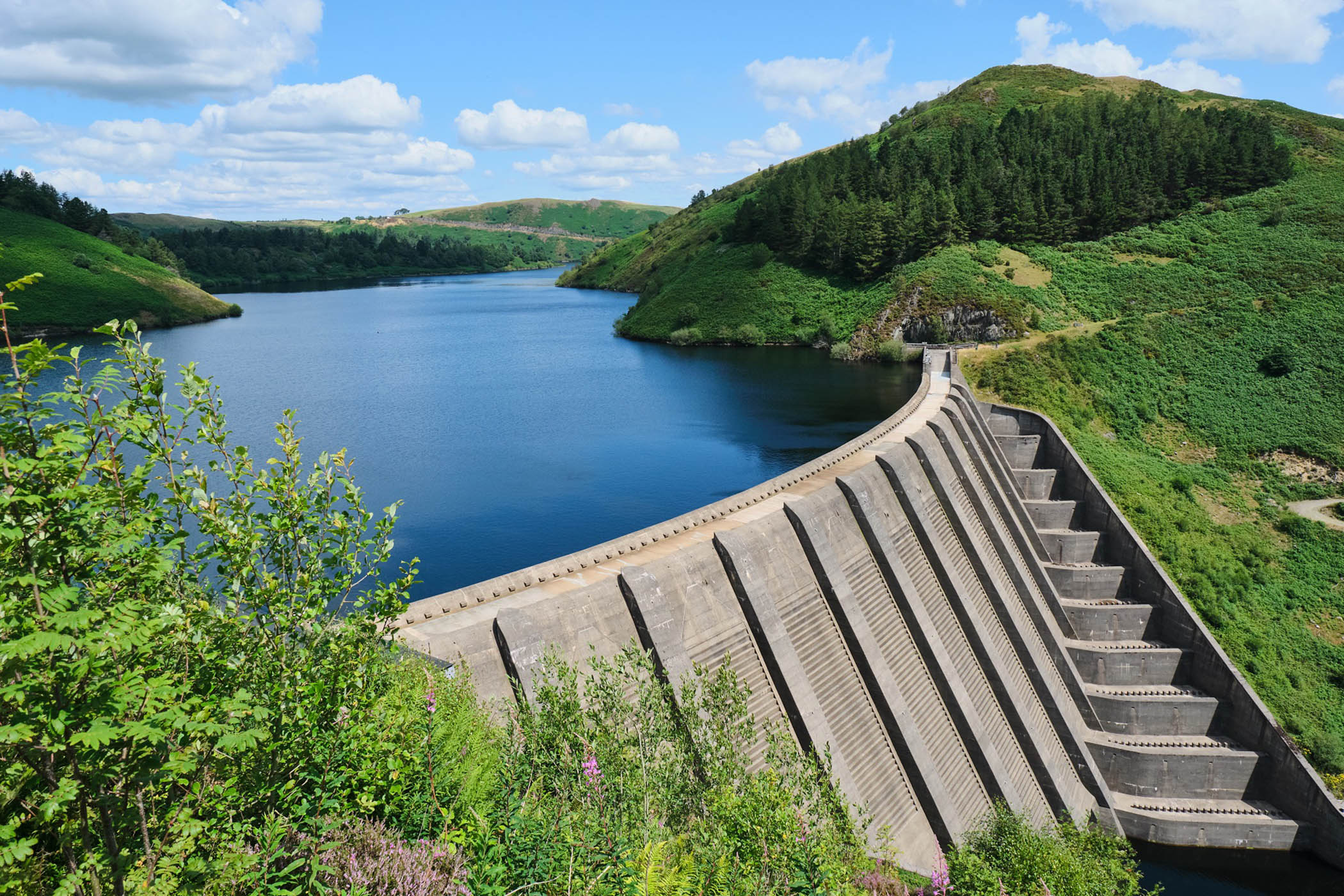
Photograph by Daniel Wildey/Severn Trent