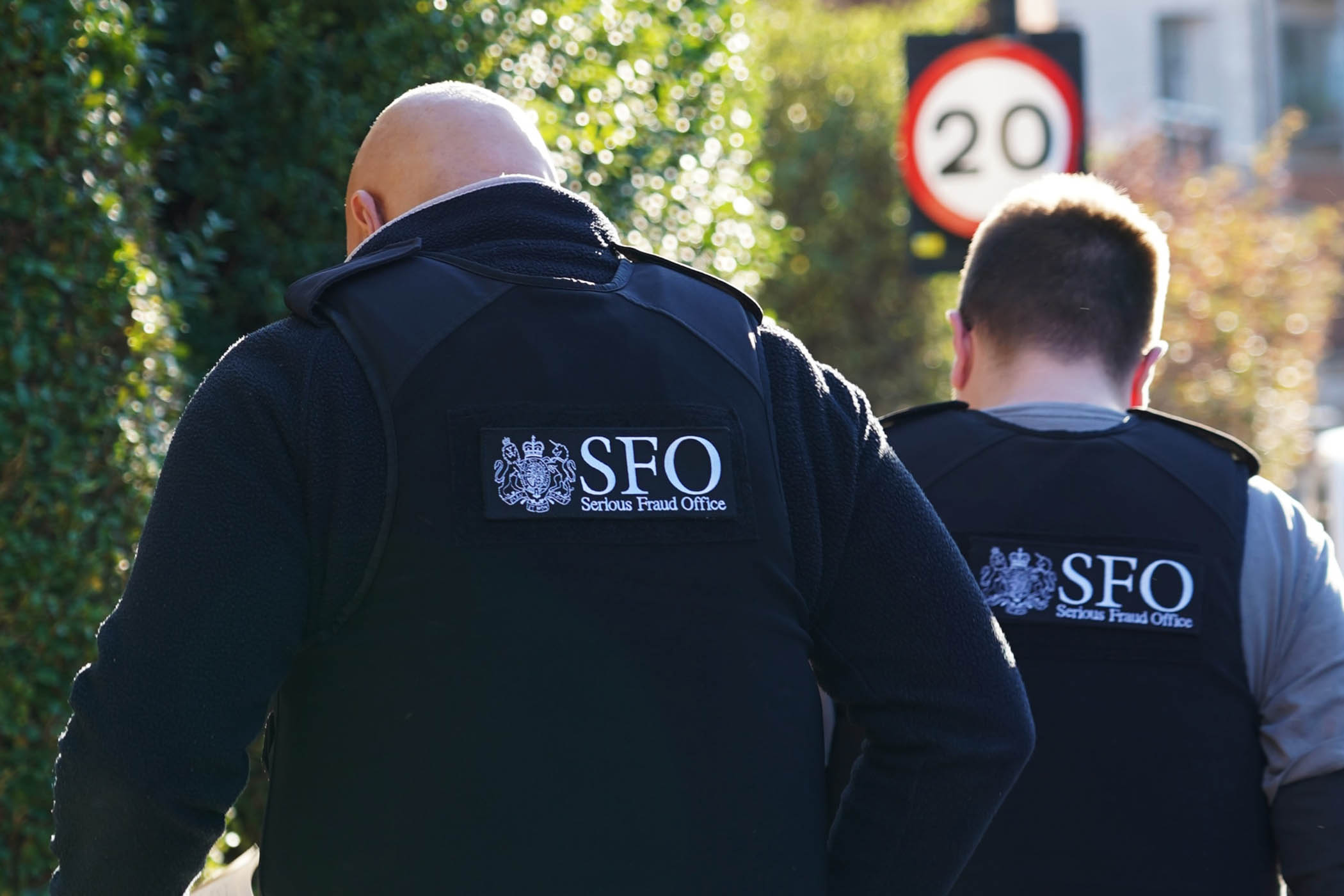



The short-seller behind a report that raised concerns about Home REIT says a decision by the Serious Fraud Office to launch an investigation into the scandal-hit social housing provider is “validation” of his controversial investing approach.
Fraser Perring, a former social worker who set up the short-seller Viceroy Research, told The Observer he expects investor losses related to the allegations of bribery and fraud against Home REIT to far exceed the £300m estimated by the SFO. Conversely, publicly available data shows Perring has made good on a downside bet of £5m.
On Wednesday the SFO raided seven sites and arrested six people at homes and premises in London, Maidenhead and Manchester in connection with the alleged offending related to the past management of Home REIT. A home in Venice was also searched.
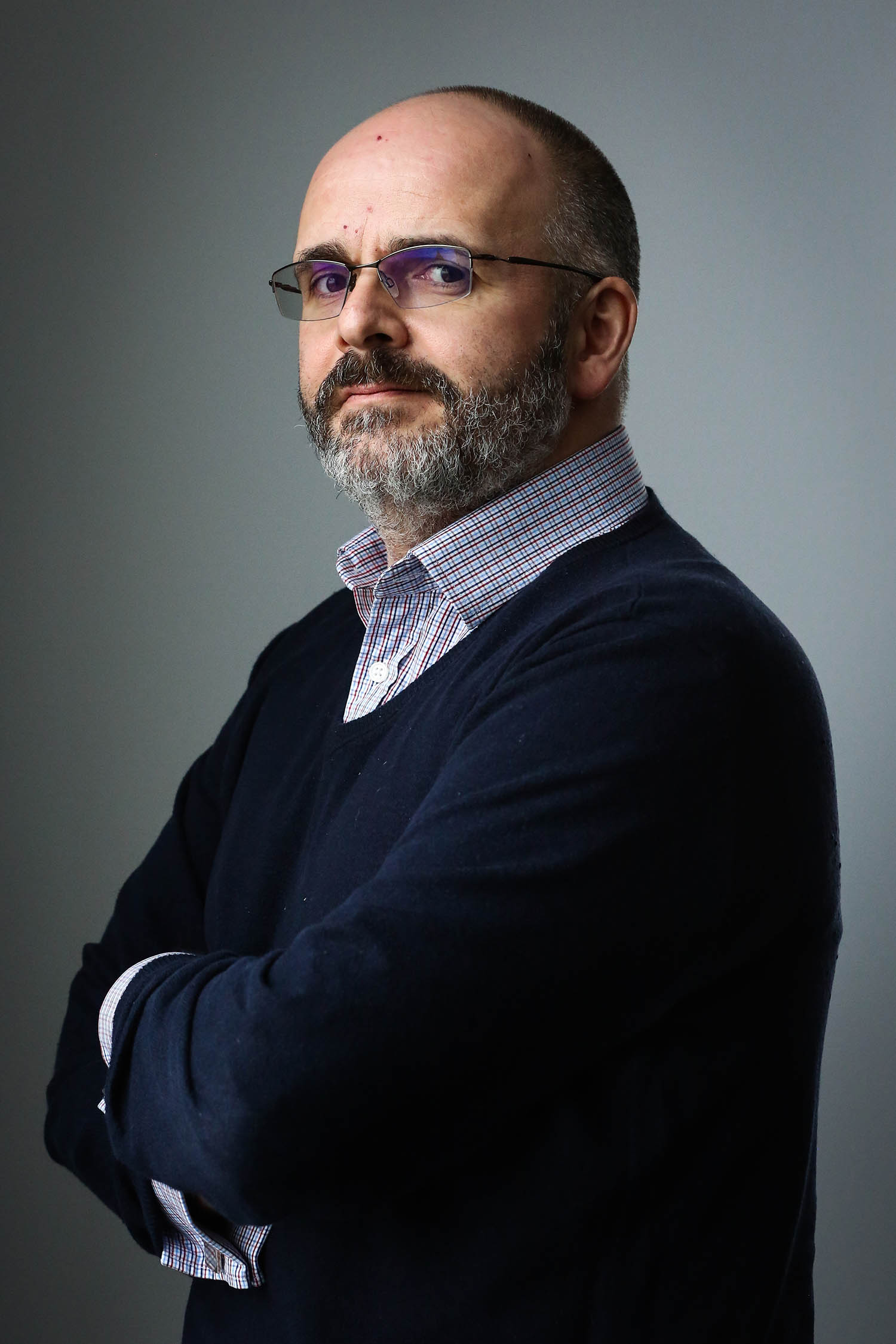
Fraser Perring, founder of Viceroy Research
Home REIT, a listed property fund which bought and restored properties to be let by publicly funded charities, raised £850m in investment in three years before it suspended trading on the London Stock Exchange in January 2023. Months before, a report by Viceroy laid bare concerns about the company’s property valuations and the ability of its tenants to pay rent.
“There were about 60 properties that were easily visitable and accessible. We visited them, including a former hotel that had been shut down as a house of multiple occupancy,” says Perring, who was shocked at the state of buildings intended to help house homeless people and those struggling with addiction.
‘Support workers told us the scheme wasn’t working. Money was just being drained’
‘Support workers told us the scheme wasn’t working. Money was just being drained’
Fraser Perring
After examining the title deeds, he alleges it became “abundantly clear” that the business was failing. “We interviewed support workers that were adamant that the scheme of the supported housing element wasn't working because there was no support, because the money was just being drained.” Home REIT could not be reached for comment, but made a statement on Wednesday saying it was aware of the SFO’s arrests and would cooperate.
Home REIT is just the latest scalp to be claimed by Viceroy, which takes its name from a variety of tulip that exploded in value during the Dutch “tulip mania” of the 1630s – considered the first speculative bubble in history.
Perring and his three-person team have, over the years, released research and taken short positions in Wirecard and Steinhoff International among others. Wirecard’s CEO is facing charges for fraud and falsifying results, which he denies. The collapse of Steinhoff in South Africa led to executive arrests and sanctions.
What about the AI bubble? Perring makes no allegations of fraud or bribery in the tech space, but has concern about some financing models: “NVIDIA play the same game the likes of Cisco played in the dotcom bubble,” he says. “They’ve extended $110bn in vendor financing: of course they’ll get orders if they’re financing it. You see all sorts of AI crap listed and touted as the second coming.”
But seeing it through can get tough. Perring’s latest target is Vedanta Resources, the former UK-listed company chaired by the Indian mining tycoon Anil Agarwal. Since accusing the company of a “Ponzi-like” structure and taking out a short on its debt last summer, Vedanta’s stock has surged amid a commodities boom. Vedanta has strongly rejected the allegations as unfounded.
Newsletters
Choose the newsletters you want to receive
View more
For information about how The Observer protects your data, read our Privacy Policy
Times aren’t easy for short-sellers. A basket of the 250 US stocks most popular with short-sellers surged 57% last year, delivering the worst returns in half a decade. Then there’s the personal toll: “I’ve had medical records leaked online. I’ve had people impersonating me with AI to get me in the crosshairs of Saudi or UAE security services. I've had my bank accounts hacked,” says Perring.
Justice is never the aim of the short-seller’s game, but it might be a byproduct. Home REIT “had a meteoric rise, spending millions on properties supposed to house the most vulnerable and provide returns for investors,” said Emma Luxton, SFO’s director of operations. “Its chaotic downfall has left many with unanswered questions.”
Photographs by the Serious Fraud Office, Christopher Goodney/Bloomberg via Getty Images