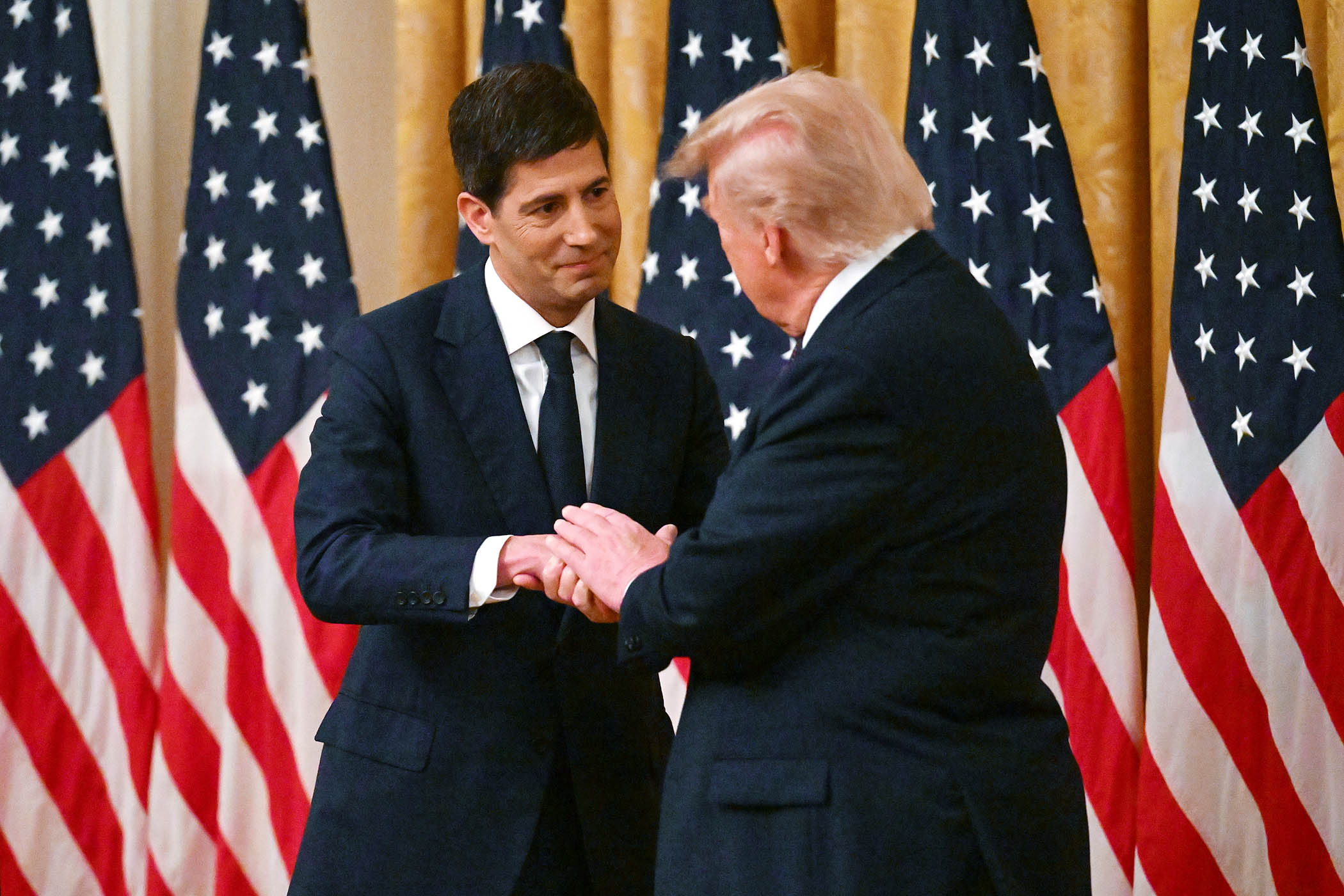

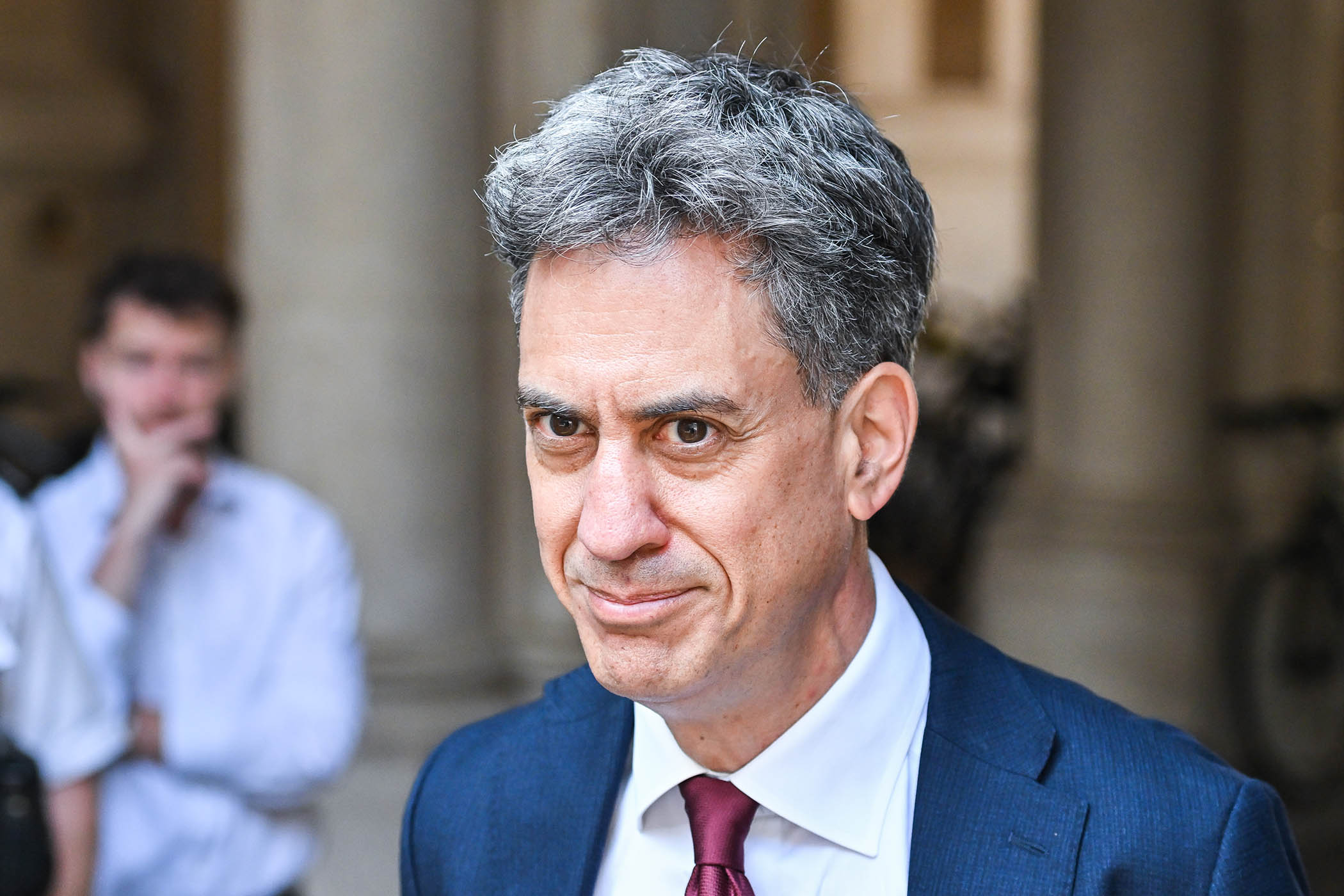

Kevin Warsh is living up to his promise not to be Donald Trump’s “human sock puppet”. Having declined to deliver Trump his desired interest-rate cut in his first meeting as chair of the Federal Reserve, on Thursday he pulled off a master stroke: a brains trust to consider Fed reform, including Mervyn King, former governor of the Bank of England, Raghuram Rajan, once head of the Reserve Bank of India, and a bevy of other top economists and trusted central banking veterans.
King is an inspired choice to advise on how the Fed communicates: he gave Britain the “fan chart”, which draws the inflation forecast as a widening spread of probabilities, not a falsely precise line, bringing more candour to the Bank’s deliberations. Rajan, who warned of the 2008 crash before it struck, was eased out by Delhi for guarding his independence too fiercely. He will lead the thorniest review: whether to shrink the $6.7tn balance sheet, swollen since that crisis.
Two businessmen complete the cast. No one could object to Doug McMillon, who spent decades giving ordinary American families a fair deal as Walmart’s chief executive while championing pre-Trumpian stakeholder capitalism. The potential bum note is venture capitalist Marc Andreessen, co-founder of Silicon Valley powerhouse a16z, crypto investor, prominent funder of Trump and self-described “unpaid intern” in Elon Musk’s “department of government efficiency”.
To the suspicious, Warsh may be using the bankers and economists to provide cover for Andreessen to push the idea that AI lets the economy grow faster without inflation, meaning interest rates can safely be cut. More probable, it is a clever way of giving Andreessen his voice – and ensuring it will be swamped by a tidal wave of mainstream economic and banking wisdom.

Mergers impact on the LSE
Budget airline easyJet is now the prize in a transatlantic bidding war. Having agreed last Sunday to a £6.90-a-share offer from Castlelake, an American aviation financier, its board switched on Friday to a richer £7.15 bid from private equity giant Apollo Global Management; a sum that, if the sale is completed, values the company at £5.7bn – an 81% premium to the price before the first approach. Apollo would also allow easyJet’s founder, Stelios Haji-Ioannou, to remain invested.
While it would be a shame to see easyJet lose its independence, the bigger question is what this says more broadly about the valuation of companies listed on the London Stock Exchange. Fat premiums for acquisitions of such companies are becoming a London norm: successful bids pay on average about 45% over the pre-offer price – much higher than what is typical for similar deals in New York. It seems this is not because British companies are expensive, but because they start so cheap. Through this merger lens, the exchange looks less like a graveyard than a bargain bin.
Foreign bids for UK companies have soared to about £150bn in 2026, a record for this point in the year; total takeover offers are up 210% on the same point in 2025. In a note this month entitled “Selling the family silver”, the investment bank Peel Hunt warns that new London listings are minuscule beside the value of companies being bid for and taken off the market.
The proximate culprits are Britain’s pension funds and insurers, which slashed UK equity holdings from 46% of the market in 1997 to about 4% today. Blame may also lie with government policies that have arguably penalised holding British equities. Either way, in this current acquisition binge, foreign money seems to be arbitraging the City’s lack of self-belief.
Heat mitigation
Newsletters
Choose the newsletters you want to receive
View more
For information about how The Observer protects your data, read our Privacy Policy
“The Sahara option” is Eurostar’s description of its recent decision to revise a £1.7bn train order to ensure carriages will stay cool in 55°C heat, instead of the originally required 45C. The company was doing more than buying better air conditioning. It was conceding that the sort of extreme heat recently being experienced in Britain and Europe may be here to stay – and that the time has come to start adapting in anticipation of that increasingly probable possibility.
This need not mean surrender on emissions: how fast the world cuts them will still help determine how high temperatures will rise – and for how long. Almost nobody now believes the Paris pledge to cap warming at 1.5C will hold. If extreme heat is baked in, adapting to it is not defeatism but prudence.
If this becomes a broader trend this side of the Atlantic, as it probably should, expect many more similar shifts. An air conditioning boom seems certain: fan sales at Currys stores leaped nearly 3,000% over one weekend in June. Expect dawn work shifts, insurance that pays out on a thermometer – even Scottish wine. Adaptation could become one of Britain’s biggest capital projects; in May, the independent Climate Change Committee estimated that about £11bn a year of investment is needed.
A report last week by the McKinsey Global Institute, arguing that businesses addressing climate adaptation had focused too much on flood risks rather than heat, estimated that every $1 spent on heat defence generates between $3 and $5 in benefits. True, some of this spending may be purely defensive: investing just to stand still. But there may be big opportunities to use adaptation to drive modernisation: heat pumps that cut carbon as they cool, greener cities – even a new lease of life for those delightful Scottish chateaux.
What are your thoughts on this? Send us a letter to letters@observer.co.uk
Photographs by Roberto Schmidt/Getty Images, Thierry Monasse/Getty Images