

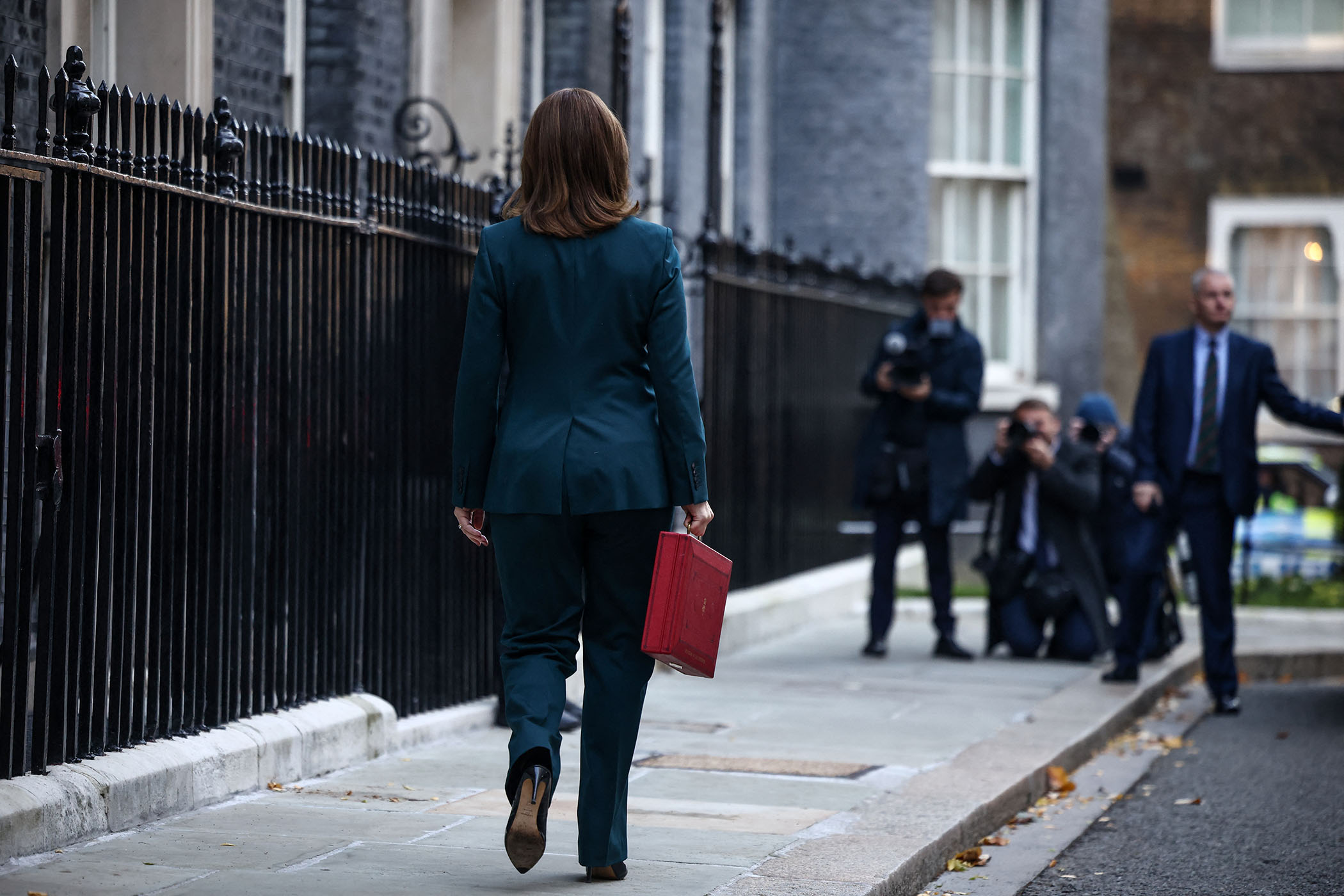

With the spring forecast this week, the chancellor has an opportunity to pivot the narrative back to progress on growth and living standards.
It’s the right priority. There are tentative signs the economy is on a more stable footing. Inflation and interest rates are moving in the right direction. PwC’s global investor survey shows the UK is seen as a safe harbour in a volatile world. But where the evidence tells a different story is on the labour market.
To improve living standards we must have a well-functioning labour market, but with unemployment rising to a five-year high, we’re going in the wrong direction. The Bank of England this week highlighted how policy decisions are partly to blame.
The fiscal position is challenging. Business leaders understand this. But many feel that the default response has been to pull the lever marked “employers pay”. The reality is when costs are loaded onto employment, they ultimately harm the same hard-working people ministers want to support. For over a year we’ve cautioned unemployment would rise.
Recent increases in business costs have been driven by increases to national insurance contributions (NICs) and the national living wage (NLW). We estimate that the rise in employer NICs will add over £17bn to private-sector labour costs this year. That makes it more expensive to create jobs, hitting lower-paid and younger workers hardest – precisely the roles that help move people from inactivity or unemployment into work.
One firm told us that an extra £1m NICs bill has forced it to scale back expansion plans, affecting 1,000 roles. A professional services firm contrasted the situation of having to lose staff, when a few years ago they were paying 8-9% pay rises to retain them.
These costs widen the gap between employees’ take-home pay and the total cost of employing them. For wage increases to be sustainable, they must track productivity. The UK has struggled with weak productivity for years, but wage growth has also been dragged down by this wedge growing over time.
The argument is that businesses have broad shoulders. But corporate profits as a share of GDP are as low as during the financial crisis. And the business tax burden is projected to grow further this financial year, hitting 32% – the highest since 1998.
A healthy business environment and a healthy labour market are two sides of the same coin. Every pound sent to the Treasury is a pound unavailable for pay rises or new hires. It is no surprise unemployment is rising, particularly among young people.
I work for the CBI so I would say this, wouldn’t I? But I never thought I’d see the day where UK youth unemployment was higher than the EU average. That’s the reality we’re now facing. More than that, we are undermining the only route out of this cycle: investment.
Newsletters
Choose the newsletters you want to receive
View more
For information about how The Observer protects your data, read our Privacy Policy
A healthy business environment is a profitable one. Profits fund investment, jobs and pay rises. To invest in new technology, machinery and training that boost productivity, businesses need profits to reinvest.
There are things the government can do to give employers space to grow and create more jobs. Firstly, rethink the pace of current NLW increases, especially for the young.
Second, avoid costly and burdensome implementation of the Employment Rights Act by recognising that hours during seasonal peaks can’t be offered all year round, and being more pragmatic about how often a trade union that doesn’t represent your workforce can expect access.
Third, unlock the potential of the growth and skills levy to fund the scale of training needed for an AI-enabled economy by putting all of the money that it raises into the skills system.
The labour market can be a UK strength again, but we need a mindset shift, away from businesses versus employees to seeing the fortunes of both as intertwined.
When business thrives, the country and communities thrive. When businesses shut up shop, we all lose.
Louise Hellem is chief economist at the CBI, Britain’s biggest business lobby group
Photograph by Alishia Abodunde/Getty Images