The world is losing its mind to artificial intelligence. AI is a transformative technology; it’s not a magical power. It’s time to call out those falling under its spell.
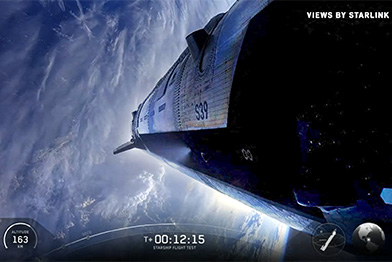
Start with the moneymen. The prospectus for the sale of Elon Musk’s SpaceX shares on the US stock market is fantastic – in both senses of the word. It starts with pages of whizzo pictures of rockets, then promises a Marvel-style future of orbital AI compute, extraterrestrial datacentres, asteroid mining, the lunar economy and humans as a multiplanetary species. It’s amazing and, in time, some of it may well come true.
As business plans go, though, it’s a fantasy. The space-based datacentres don’t yet exist; there’s a delusional assumption that competitors won’t emerge; there’s a convenient neglect of recent facts on the ground – the stock price of Tesla, the failure of Doge – and a collective look to the heavens for a return. Investors better pray. SpaceX is being valued at between $1.7tn and $2tn; last year, the company lost nearly $5bn. It is the definition of pie in the sky.
Wall Street bankers are clambering over each other to hype AI businesses coming to the stock market: chatbot makers OpenAI and Anthropic are set for flotations, too. It’s risky – and not just for them. The AI sector is driving unprecedented waves of capital into datacentres, and passive investment funds will automatically funnel money into the biggest stocks. That’s fine, until the music stops. Then things get repriced, money flows the other way and real people feel it.
At the same time, we are surrendering essential elements of the way we live. Take writing. Last week, it emerged that a panel of human judges might well have awarded a literary prize to a short story written, either entirely or in part, by AI. The Commonwealth short story prize’s judges say they don’t know; the publisher of Granta, which prints the story, says perhaps we never will.
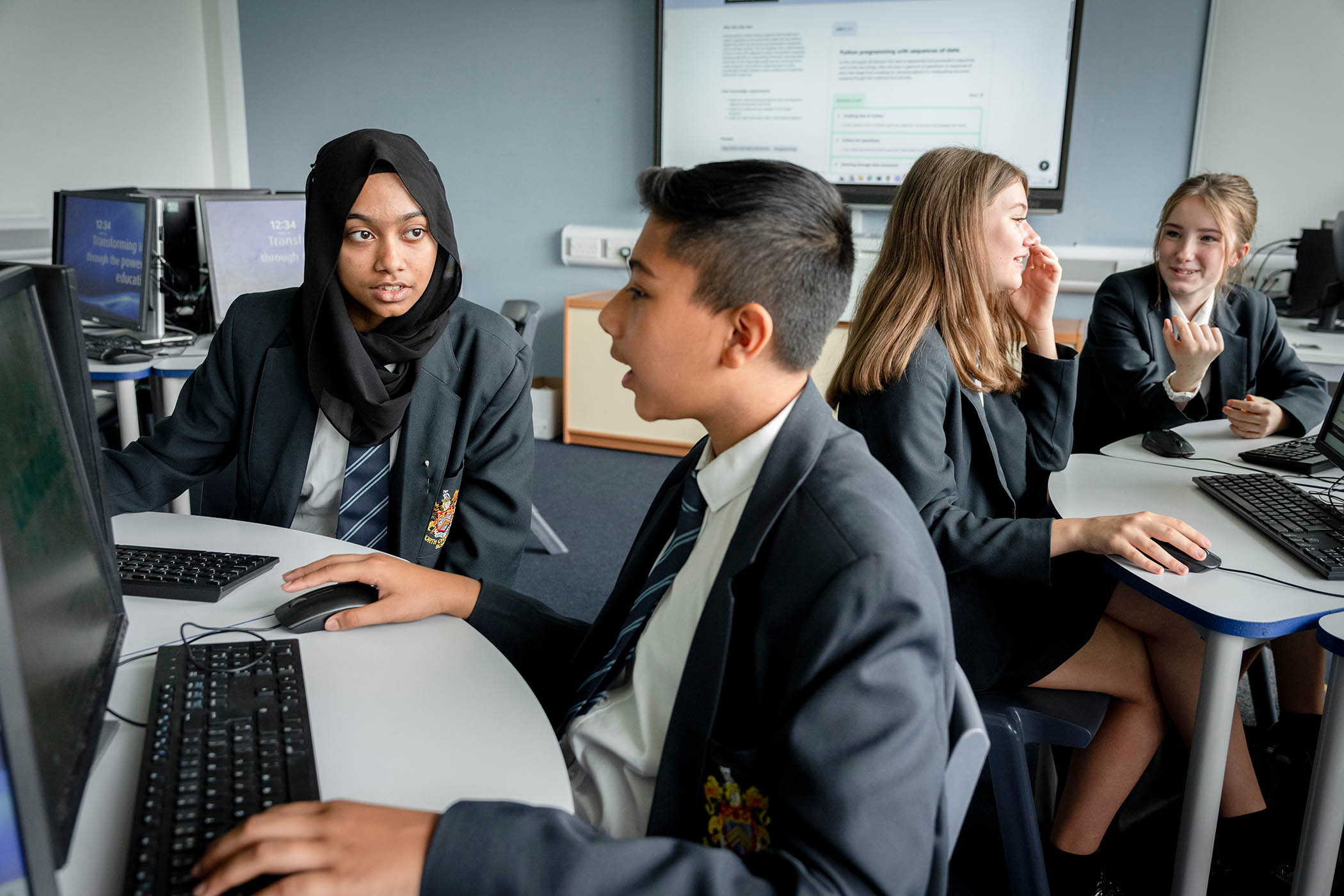
A generation of young people are sitting down to write exams at exactly the moment when the AI gurus are warning that the essay has had its day. Humans are no longer going to need to be able to organise facts and opinions into a piece of writing; AI will do that, easily. The risk, as the Economist recently spelled out, is “cognitive surrender” – people becoming more reliant on AI chatbots and giving up critical thinking.
In all this, the AI pioneers have a tendency to act as commentators on their own game. Jack Clark, co-founder of Anthropic, tells The Observer this weekend that a “coordinated global slowdown” on AI development would be a good thing, even if he’s not prepared to lead it. He wants a level playing field for the AI companies remaking the global economy.
Normal people just want a playing field. At least three tech chieftains, including Eric Schmidt, the former Google chief executive and chair, have been practically booed offstage while giving commencement speeches at US colleges in the past few days, talking up the opportunities of AI but slow to grasp that their audiences feel its risks.
Bill Winters, the Standard Chartered chief executive, was in fact right to sound a warning about job security, even if he blundered in his choice of words. He spoke of AI replacing “lower value human capital”. Too few leaders, either in politics or business, are talking frankly about the disruption coming to work and jobs. AI can organise information at the speed of light. In myriad roles, it can work better, faster and cheaper than humans. It will put whole categories of coders out of work – and it can’t be uninvented.
Nor should it be. AI is, already, the most revolutionary and enabling technology of the generation. In three short years, it has put in the hands of any individual the combined power of vast corporations and the world’s libraries, generations of professional experience and collective wisdom. It will transform government for the better, accelerate scientific discovery, open up new kinds of creative expression.
Newsletters
Choose the newsletters you want to receive
View more
For information about how The Observer protects your data, read our Privacy Policy
Alongside excitement about the possibilities of AI, there needs to be much greater willingness to safeguard what it is to be human: safety, dignity and society. The future doesn’t have to be dystopian. We just need to keep our heads.
Photograph by SpaceX/AFP/Getty Images