


Ask anyone in their 50s or 60s where they would go for proper pension advice. In my experience, most will shrug, laugh nervously or hope a quick Google will do the trick.
The last thing many will do is seek out an actual adviser. That’s because finding someone trustworthy, impartial and willing to help can feel a bit like searching for an emergency plumber on Christmas Eve. Even when someone wants to help, how do you know you are not being ripped off for a bodge job?
This confusion matters because a huge cohort is sleepwalking towards retirement decisions that will affect the rest of their lives. The FCA’s latest Financial Lives survey shows only about 8% of adults received paid-for advice in the previous year, despite millions reaching the age when they must make huge , sometimes irreversible choices about their pensions.
About 13 million people have defined contribution pensions that need careful management but have never taken advice. Most have pots under £100k and say they either can’t afford advice or don’t know how to find it. Which is why the imminent closure of the retirement adviser directory (RAD) deserves more attention.
The directory, run through the government-backed MoneyHelper service, shuts on 17 December. It is the only non-commercial directory that lists genuinely independent advisers who have not paid for their spot. It is also one of the few places where someone with a modest pension pot can search for an adviser without being funnelled into mailing lists for financial promotions.
Once the RAD disappears, the only major directories left will be commercial platforms like Unbiased and VouchedFor. They do an important job but mix independent and restricted advisers, something many users do not understand. Independent advisers consider providers across the whole market, while restricted advisers work with a narrower range that may not always be suitable. These platforms also prioritise firms that pay for visibility rather than because they consistently offer good service and value.
MoneyHelper said: “We don’t take the decision to decommission our guidance tools lightly, but we must ensure we are able to focus on supporting our customers where there isn’t guidance readily available.”
It rejected an offer from financial marketing firm Yardstick Agency to take over the RAD, either alone or as part of a consortium. Phillip Bray, founder of Yardstick, said: “The infrastructure of the directory has been built, and it has a critical mass of advisers. Why throw all that good work out of the window?”
Britain’s advice gap has been ballooning for a decade. Most people cannot afford full regulated advice and vague “guidance” services aren’t a proper substitute. Removing one of the few signposts to purely independent advisers leaves millions of people even more reliant on guesswork – and feels like a step in the wrong direction.
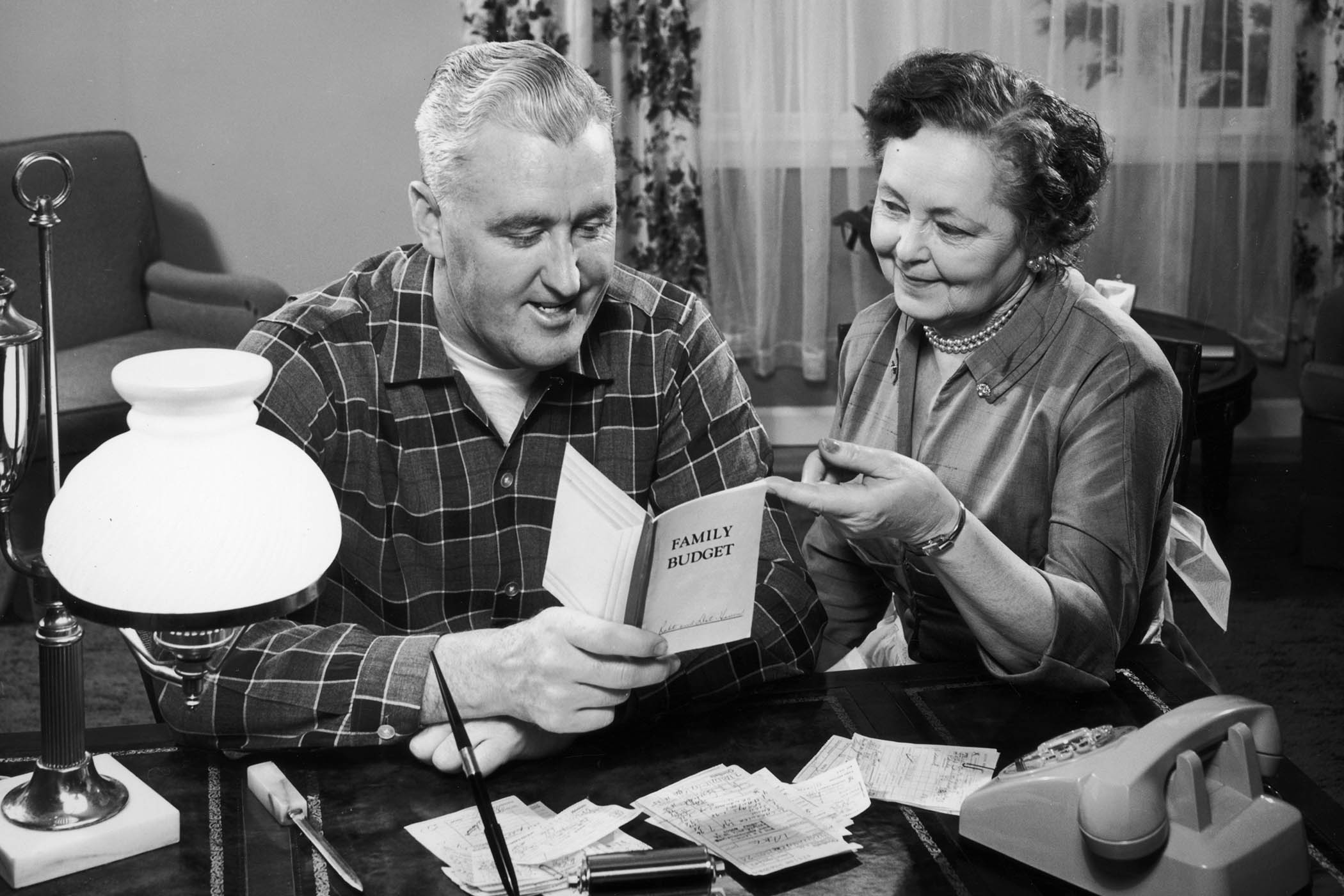
Photograph by Harold M. Lambert/Getty Images
Newsletters
Choose the newsletters you want to receive
View more
For information about how The Observer protects your data, read our Privacy Policy