
During the 1970s, the decade of the oil crises which severely aggravated the UK economy’s proneness to inflation, my colleague Adrian Hamilton and I wrote an article in the Financial Times advocating the creation of a sovereign wealth fund.
The idea was to make good use of the bonus of North Sea oil revenues, to invest for the future. Opec had quintupled the price of oil, and the revenues from oil and gas production in the North Sea promised to be a great benefit to the UK.
But the Treasury was against the idea. So were the main political parties. In one of the most cynical, but honest, accounts of where the extra revenues went, a Labour MP asked “what sense does it make... for all the resources of the North Sea to be spent on unemployment benefit?”
The tragedy was that much of Britain’s industry and workforce suffered during that period, and there was precious little in the shape of enlightened regional policies to offset the social damage. Indeed, the ramifications of this damage are still being felt today, and are seen in the way the Reform party has been capitalising on widespread social discontent.
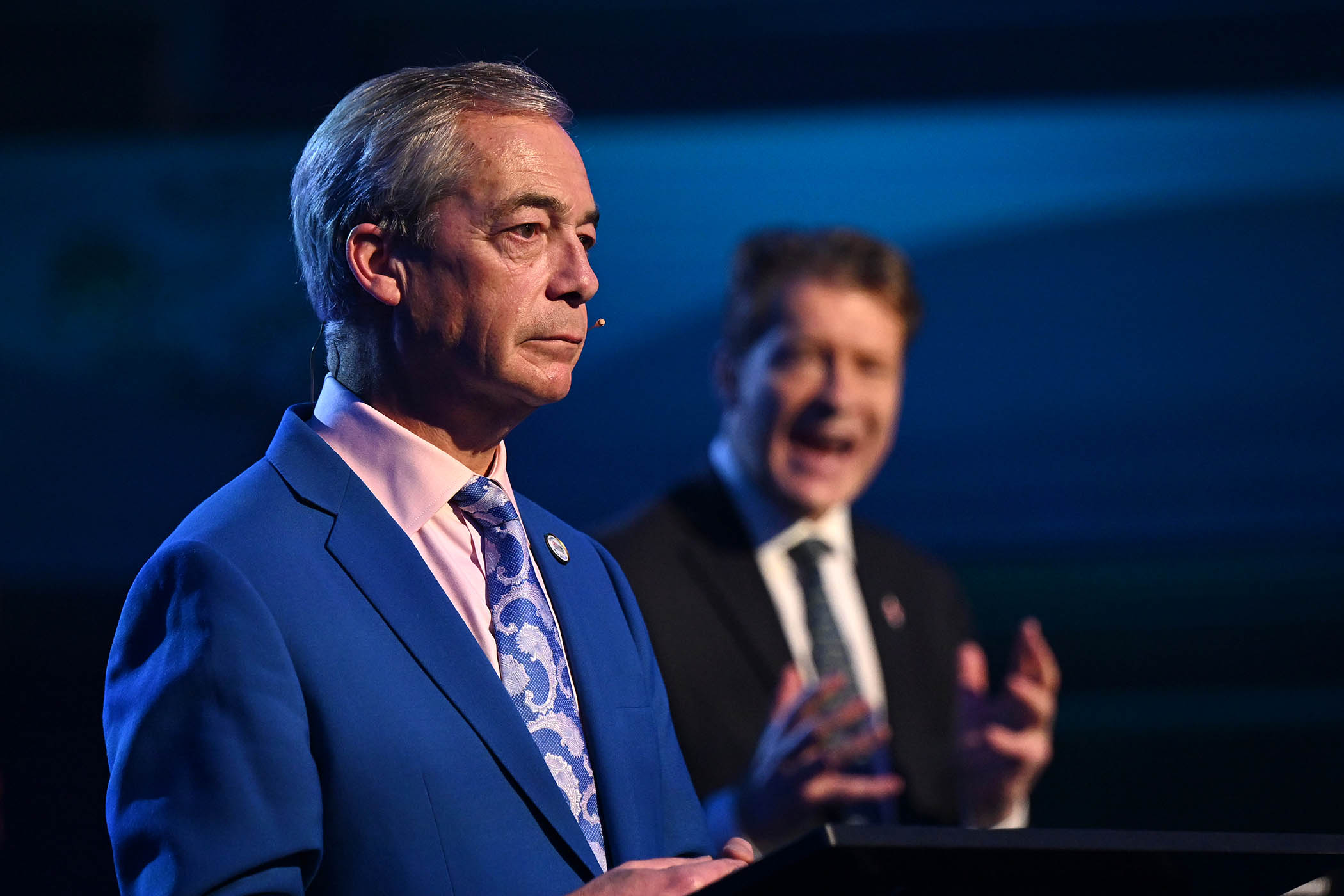
It’s been drawn to my attention that Reform is flirting with its own idea for a sovereign wealth fund to invest in economic growth. But this fund would not be employing the kind of bonus to government revenues that Hamilton and I envisaged in the 1970s from North Sea oil and gas.
No. This would apparently be achieved by consolidating nearly 100 separate local council pension schemes into a £500bn fund that would invest in UK companies, products, housing and infrastructure.
I smell a rat here. Given Reform’s limited track record governing local councils, I would question what assurances there are that such a fund would be financially transparent and protected from political interference. Plus, when the idea was first floated last November, public sector unions described it as “a baseless attack on public servants”.
Recall the time in the 1970s when the very leftwing cabinet minister Tony Benn was advocating the direction of private investment funds to what the state desired, and was – metaphorically – shot down.
Then there was the moment Maurice Stonefrost, who was in charge of the mighty British Rail pension fund in the 1980s (and incidentally my father-in-law), refused to bow to requests that he put pensioners’ money into the Channel Tunnel. Stonefrost believed in the importance of the tunnel but, unlike Mrs Thatcher, also believed, as the French government did, that the Chunnel should be financed as a public good, with public money. He was right. It would not have been a good use of his pensioners’ funds.
I do not trust Reform’s risk appetite. How dare they try to appropriate pension funds for their own electoral purposes when, thanks to their leader, Nigel Farage, their predecessors are responsible for the greatest act of economic and foreign policy self-harm this country has perpetrated upon itself, namely Brexit.
Newsletters
Choose the newsletters you want to receive
View more
For information about how The Observer protects your data, read our Privacy Policy
With this government, and so many commentators, obsessed by the need for economic growth, I should like to remind them that our economic history since the war has been littered with examples of where poor policies have inhibited growth. Sadly, governments are better at restricting economic growth than promoting it. There was the reluctance of the Wilson government, until forced, to devalue the pound in the 1960s – thereby counteracting the growth plans of the Department of Economic Affairs (DEA); the monetarism of the early Thatcher period; the austerity of the Osborne chancellorship; and then Brexit.
If this country elects Reform in the next general election, well I shall be even more thankful for my Irish passport.
But, thank goodness, our prime minister and chancellor, at last, seem to be slowly getting the message that, in these stirring economic and geopolitical times, the UK’s future and interests lie with a return to the European Union.
Photograph: Leon Neal/Getty Images