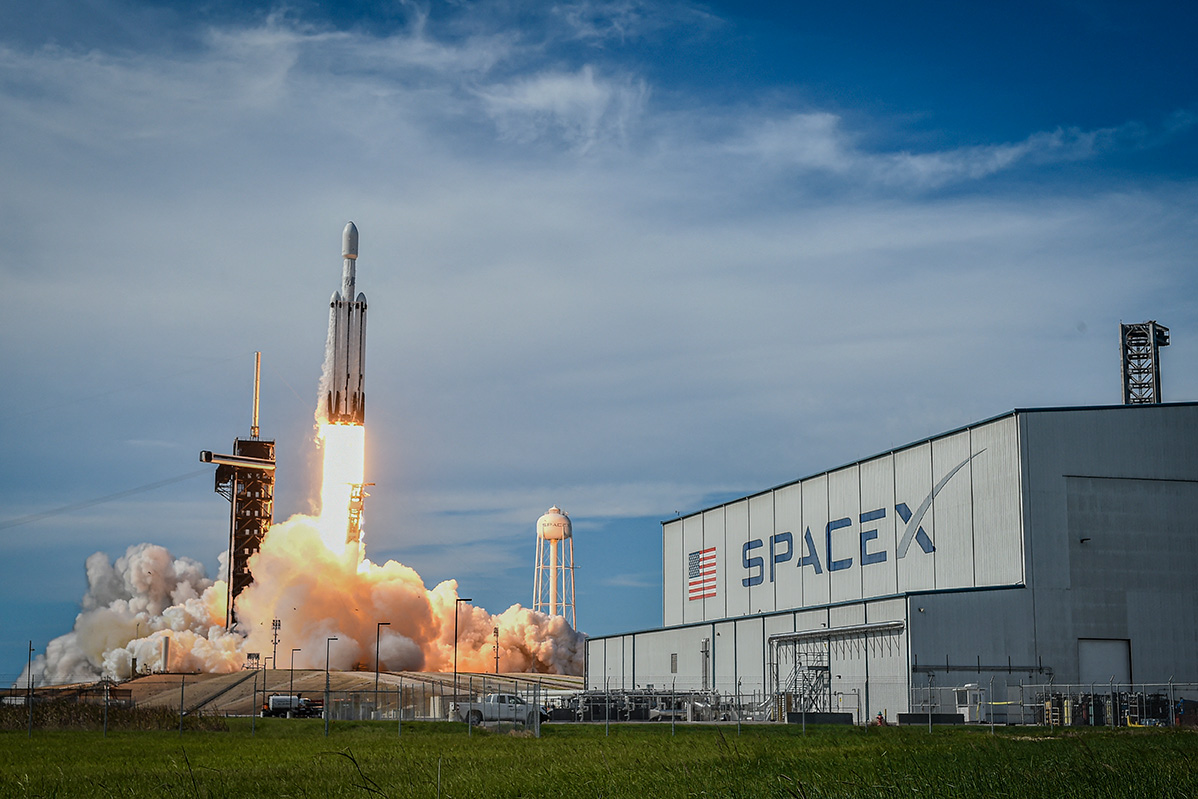



In 300-plus pages of an IPO filing released last week by Elon Musk’s SpaceX, two numbers have not so much raised eyebrows as sent them stratospheric: 28.5tn and 85.
The first is what Musk identifies as the largest “addressable market in human history”, in dollars, for SpaceX products, roughly equivalent to the GDP of the US. Over 90% of that is supposed to come from selling AI infrastructure and enterprise applications – despite the fact SpaceX derives nearly all current revenue from space services and Starlink. The company’s AI segment recorded a $6.4bn loss last year, and is regarded as a laggard in the race to build compute capacity.
“The SpaceX valuation feels absurdly high to me,” says James Carthew, co-founder at QuotedData. “So many wild claims are needed to support the mooted $1.75tn valuation number that I’m struggling to envisage where the upside will be.”
The second number – 85 – is the percentage of voting control held by Musk in SpaceX. Again, like the most recent rocket launch (conveniently delayed because of a hydraulic pin malfunction), this ought to be grounded. The reality is that Musk’s control is absolute. Without him, there is no SpaceX (except if you count Gwynne Shotwell, who runs day-to-day operations).
“There is the right for the B-class shareholders – in essence, Musk – to appoint 51% plus of the board forever, as long as there is a single B-class share in existence anywhere,” explains one governance expert familiar with the company. “Even if he’s sold down to no holding whatsoever… Elon just needs to hold on to one share to have absolute control.”
Traditionally, the point of a public float – and especially so for this year’s capital-intensive, “mega-IPO” trio of SpaceX, OpenAI and Anthropic – is to raise a wall of new cash. It’s also supposed to give greater accountability to investors. Musk, however, has always been different.
The structure proposed in the SpaceX prospectus is, at best, a corporate governance nightmare and, at worst, the death knell of shareholder democracy
The structure proposed in the SpaceX prospectus is, at best, a corporate governance nightmare and, at worst, the death knell of shareholder democracy
The structure proposed in the SpaceX prospectus is, at best, a corporate governance nightmare and, at worst, the death knell of shareholder democracy. One-vote shareholders will be forced to pursue legal grievances in private arbitration, instead of the courts. The requirement to appoint independent members to board committees will be removed. The company’s CEO, CTO and chair is unfireable and in line for a compensation package potentially worth $1tn, contingent on delivering a million extraterrestrial data centres. SpaceX currently has zero.
“So be it!” exclaim Musk’s following of loyal retail investors, who have been rewarded for their unwavering belief with an unprecedented 30% allotment of the first public shares. Retail participation in the US stock market has shot upwards in recent years, from 15% of daily US equity trading volume in 2020 to 37% now. At the same time, there has been an historic rise in dual-class share structures, which allow founders to keep control of companies even after they sell to the public.
“Retail investors are looking at the success of these tech bros and they’re saying, that’s what I want to be, so I’m going to tolerate a more autocratic system,” says Iain MacNeil, professor of commercial law at Glasgow University.
But institutional investors, including in the UK, will still have to decide whether they can hold their nose. Scottish Mortgage, the UK’s largest investment trust and a FTSE 100 constituent managed by Baillie Gifford, is one investor along for the ride. Between 2018 and 2021, it bought $200m of SpaceX shares, which at the suggested IPO valuation carry a paper value of nearly £3bn.
Newsletters
Choose the newsletters you want to receive
View more
For information about how The Observer protects your data, read our Privacy Policy
That’s a potentially massive haul for hundreds of thousands of ISA investors. But to realise it, the trust will need to sell before the market does. If, as reported, SpaceX insiders are permitted to sell immediately through a waiver on the standard 180-day lock-up period – and institutional investors like Scottish Mortgage are not – the timing becomes tricky.
“They’re not going to pay a dividend, certainly not in the foreseeable future. So the only reason you buy this as an investor is because you think you’ll be able to sell for more in future,” says the governance expert. “You are entirely dependent on ‘bigger fool theory’.”
Photograph by Miguel J Rodriguez Carrillo/AFP/Getty Images