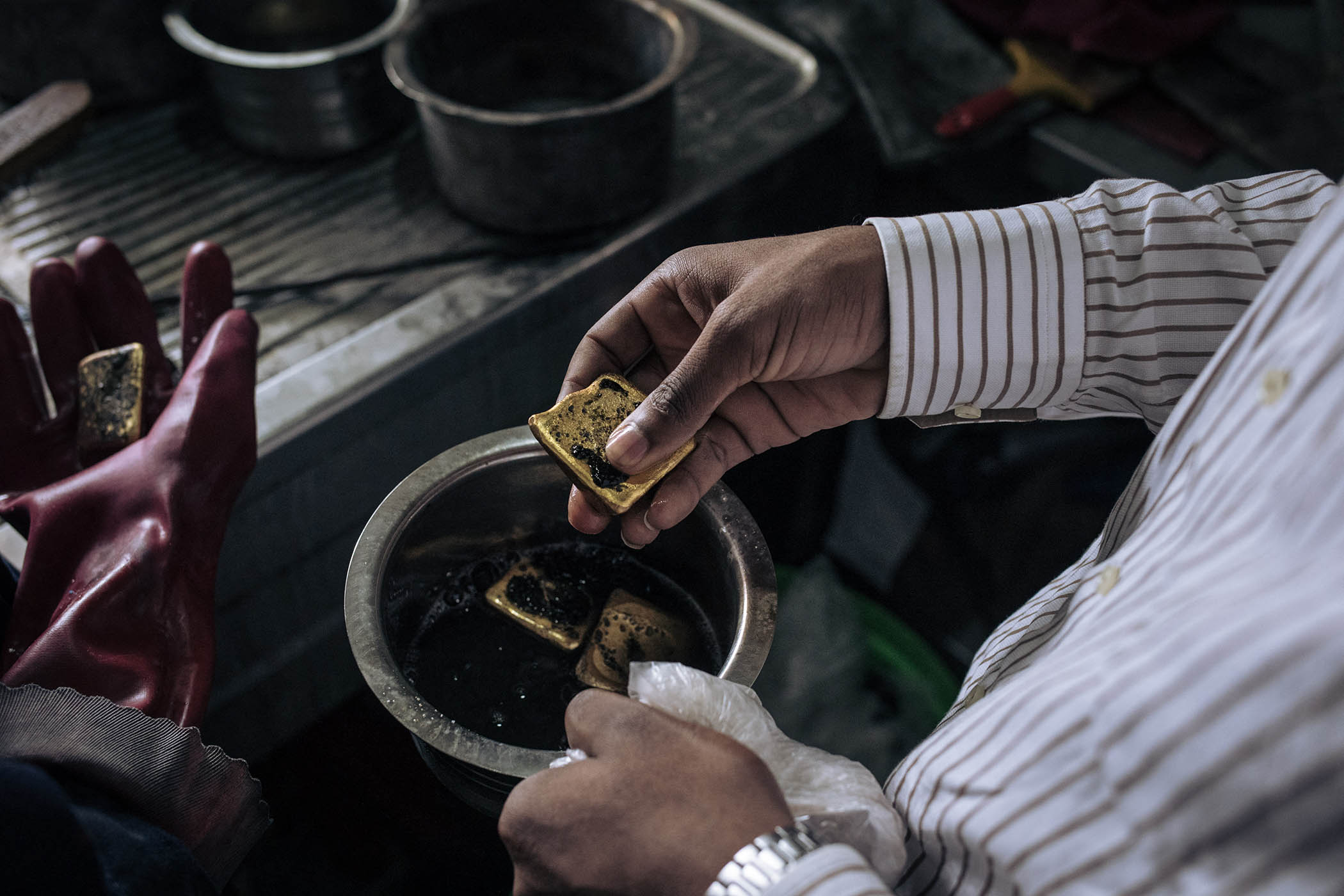

Periods of great uncertainty are when gold supposedly comes into its own as a hedge – a safe haven for investors when all else fails. Wild volatility in other markets, with swings in the price of everything from shares to oil and gas futures since US and Israeli attacked Iran, should have reinforced the case for buying gold. Yet, during the war, despite a brief rally on the news, gold has tumbled from $5,280 an ounce on 27 February to $4,679 on Friday – down nearly 9%.
The simplest explanation is that the US dollar is again playing the safe-haven role it had during the half century of globalisation that ended with the reelection of Donald Trump. Having slid since Trump returned to the White House, as well as its value in gold, the trade-weighted dollar index, which measures it against other currencies, recently started to rise again.
The sense that the greenback remains a safe bet in a crisis, even more than gold, has been reinforced by a shift in US interest rate expectations.
The higher price of oil and other essentials means that inflation is likely to rise in America, so pressure to cut interest rates has lifted on embattled Federal Reserve chairman Jay Powell. Indeed, the market is now betting that his successor, Kevin Warsh, may have to raise rates, however much he would like to cut them as a thank-you to the president for picking him.
But gold is still 50% higher than this time last year, after its rally to a record of almost $5,600 in January. Many of the long-term fears that caused investors to push gold to those new highs, especially regarding the financial health of the US economy, will probably still be valid once the fighting stops.
Photograph by Alexis Huguet/AFP via Getty Images
Newsletters
Choose the newsletters you want to receive
View more
For information about how The Observer protects your data, read our Privacy Policy