

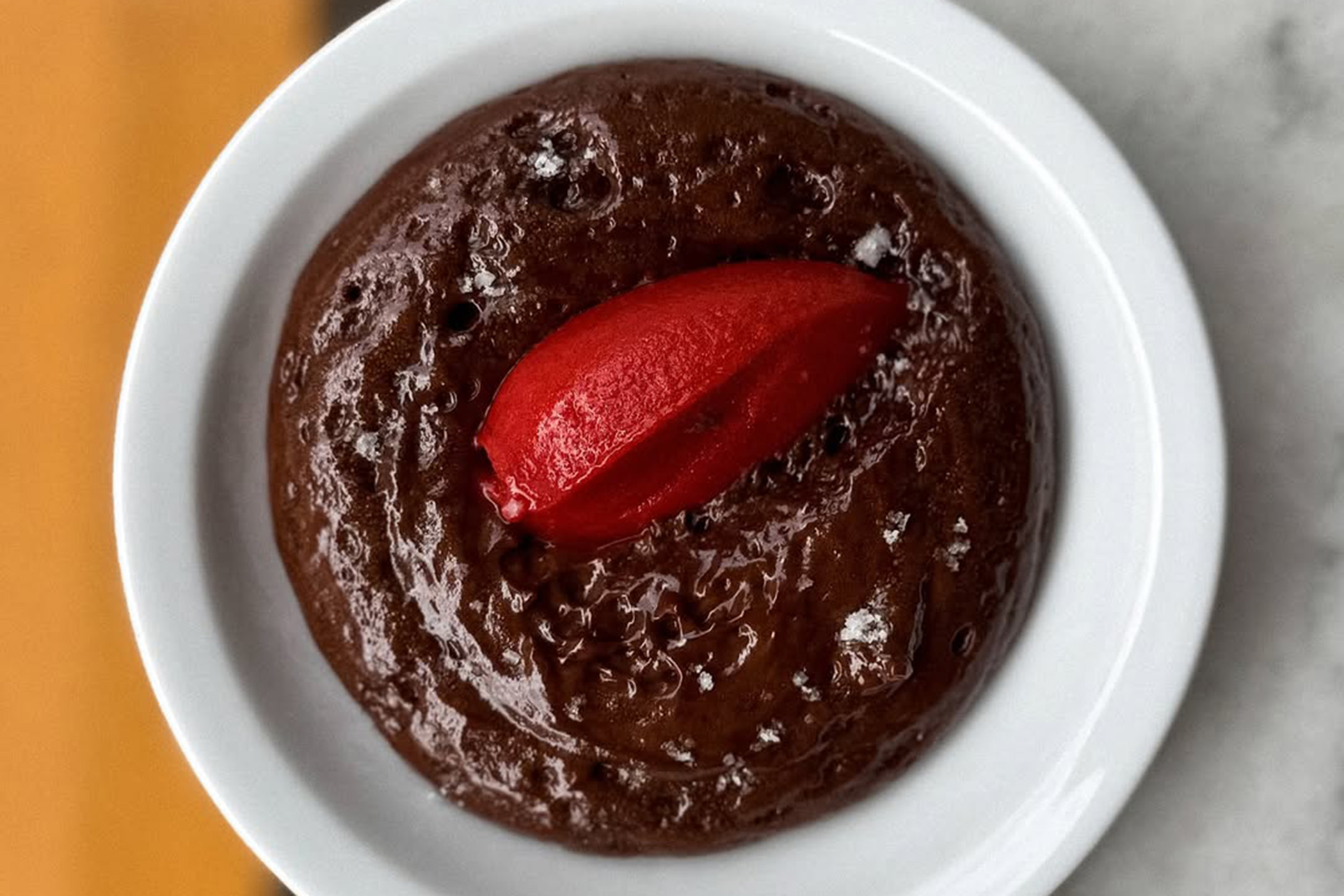
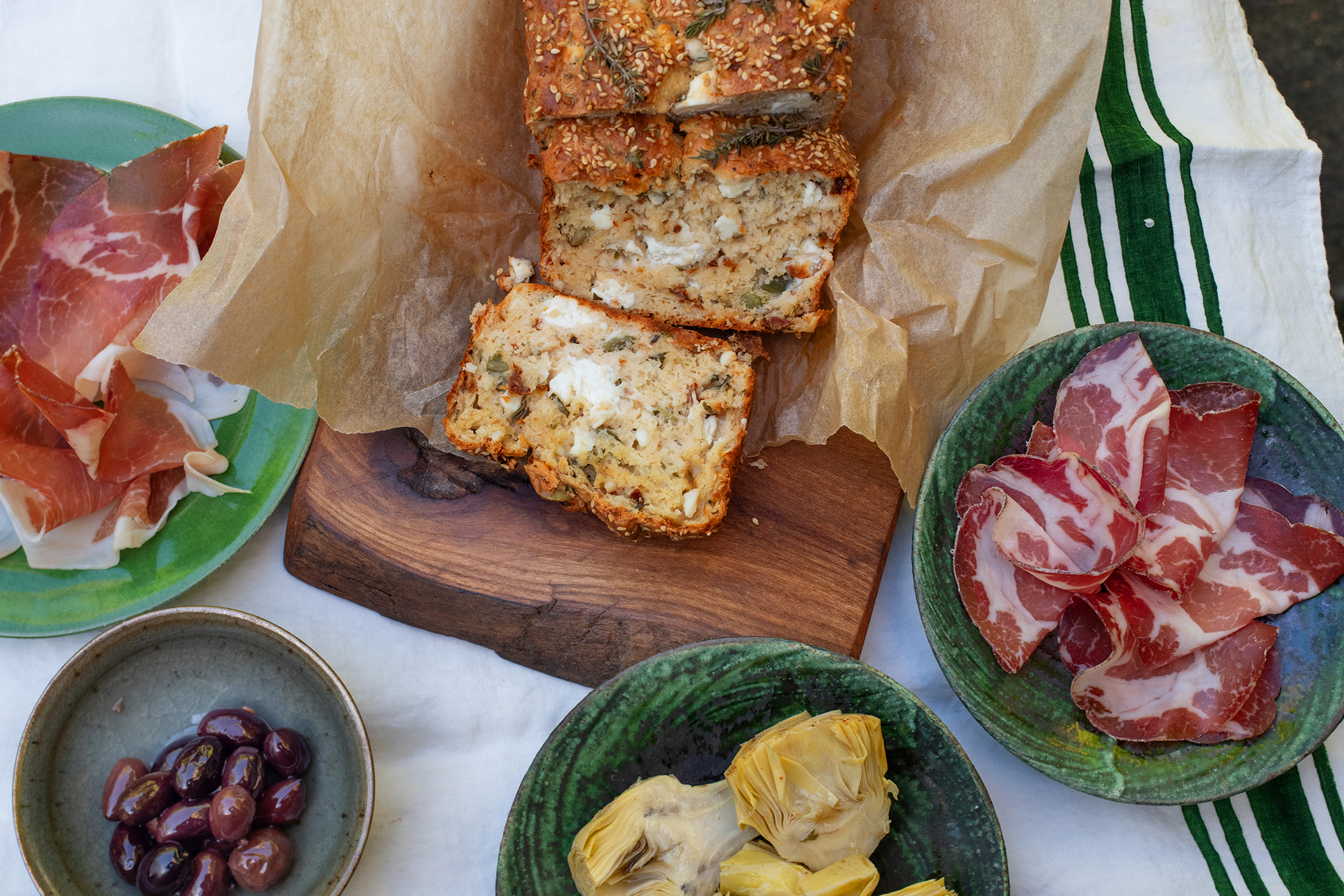
Dawn French handing out “tiger prawn paella bites”. The Grinch singing in the vegetable aisle. Turkey with trimmings – but no filling oozing from a mince pie. In 2025, Christmas advertisements have at least one thing in common: no unhealthy food in sight.
From 5 January new restrictions on advertising food and drink that are high in fat, salt and sugar (HFSS) will come into force, after several delays. Across the UK, television ads showing foods deemed less healthy by regulation will be banned between 5.30am and 9pm, including streaming, while paid-for online adverts will be prohibited at all times. Businesses with less than 250 employees are exempt, and bigger companies will still be able to promote their brands providing no unhealthy products are shown.
The measures are part of the government’s long-term plans to tackle childhood obesity and other public health issues. In October, restrictions on certain offers and promotions of unhealthy food were introduced – and appear to have had an impact. According to research by the University of Leeds, checks on supermarket sales of HFSS foods led to two million fewer unhealthy products sold per day.
Marks and Spencer and Sainbury’s confirmed their Christmas adverts were consciously HFSS compliant
Marks and Spencer and Sainbury’s confirmed their Christmas adverts were consciously HFSS compliant
Advertising unhealthy products is already regulated to minimise exposure to children, and many brands complied with the new rules since October. Marks and Spencer and Sainsbury’s confirmed their Christmas adverts were consciously HFSS compliant.
The restrictions will have a significant impact on businesses that manufacture, advertise and sell HFSS foods. Those who spoke to The Observer were broadly supportive, but there are concerns about staying “front of mind” among customers. A survey of 250 industry leaders by Linney, a creative agency, found that 55% foresaw a high financial impact and 44% were worried about long-term viability. According to Linney’s James Nevard, it will be “harder for a newer brand to gain traction with newer audiences.”
Georgie Upton, MD of Wildcard PR agency, said among business owners she works with there is “so much uncertainty, a huge amount of nervousness. Nobody wants to be the poster boy for getting it wrong.” But there was little grumbling about the legislation’s aims.
For brands that produce HFSS foods there are two main options: reviewing advertising strategy or reformulating products to make them healthier. Paula Wyatt, head of marketing at Dr Oetker Pizza, told The Observer it had undertaken a long-term reformulation programme across the Chicago Town and Ristorante ranges, with 74% of pizza volume now compliant. “Most of us support the overall objective behind the restrictions,” Wyatt added.
We’re thinking ‘more creatively. You’ll see us spotlighting the atmosphere… and the emotional uplift our brand brings’
We’re thinking ‘more creatively. You’ll see us spotlighting the atmosphere… and the emotional uplift our brand brings’
Everett Fieldgate, CEO, Creams Cafe
Britain’s largest dessert chain, Creams Cafe, is taking another route, said CEO Everett Fieldgate. Rather than producing diet versions of its ice creams, which Fieldgate said would “dilute both the essence of our brand and the experience our customers expect from us,” the legislation had pushed them to “think more creatively. You’ll see us spotlighting the atmosphere, the moments of connection and the emotional uplift our brand brings.”
Asher Budwig, MD of Lola’s Cupcakes, said since 2020, when the company began using Google ads, it had brought in around 10% of the business’s website traffic. Lola’s is both reformulating recipes and rethinking strategy, said Budwig.
With smaller companies exempt, the rules could provide an opportunity for smart challenger brands, Upton argued. “Not many times in the world of advertising does an opportunity come up, it forces brands to become genuinely creative. But, ethically, should they be going after it?” Paul Hurley, founder of Dum Dum Doughnuts, which plans to expand in 2026, said brands “shouldn’t require” government legislation and “shouldn’t be ramming junk food down kids’ throats”.
Newsletters
Choose the newsletters you want to receive
View more
For information about how The Observer protects your data, read our Privacy Policy
Paid-for advertising for HFSS is now banned, including banner ads, sponsored listings on search engines and social media promotions. However, owned media channels are not caught by the new rules, so brands’ own social media pages and websites won’t be affected. Brands may focus on areas not affected by the new rules, including audio, print and billboards.
Still, there are potential grey areas. Can businesses gift HFSS products to a social media influencer, for example? Dan Smith, head of advertising law at Gowling WLG said paying influencers to promote products was likely to fall foul of restrictions. “That’s what some brands I work with have found most alarming,” he added, as influencer marketing has become central to many brands’ digital media presence. While companies can still market their brands, what if they are indelibly linked to one HFSS product? This, said Smith, was “probably the most hotly debated topic around the new rules.”
Similar restrictions in other countries, notably Chile, have seen positive public health impacts. Katharine Jenner, executive director of Obesity Health Alliance, called on the government to go further, close “loopholes” around brand-only advertising and outdoor billboards and strengthen the criteria used to determine unhealthy products.
Photograph courtesy Marks & Spencer