


Hope for interest rate cuts is the latest casualty of the war in Iran. As oil and gas prices soared, the Bank of England, European Central Bank and America’s Federal Reserve have left short-term interest rates unchanged and warned of inflation risks. Markets have abandoned expectations of a further cut.
The Bank of England’s monetary policy committee was expected to cut rates in March, and although the ECB had reduced rates to 2%, more cuts were expected. The outlook for the Fed was more complex: markets priced in a rate cut by new chair Kevin Warsh to appease Trump.
Much now depends on how long war continues to disrupt supplies, and whether or not central bankers treat higher prices as a temporary shock. This has dampened speculation that ECB president Christine Lagarde will quit early to run the World Economic Forum, allowing a moderate to succeed her ahead of a possible extremist victory in the French presidential election. She’ll surely stay now monetary policy is interesting again and a possible global economic crisis looms.
Warsh’s Senate approval process has stalled, and if he gets the job he may struggle to deliver Trump’s cut. Current Fed chair Jay Powell noted this week that US private sector employment growth was effectively zero over the past six months – which some CEOs think may reflect the long-predicted destruction of jobs by artificial intelligence.
If so, expect a lot more talk about the return of stagflation.
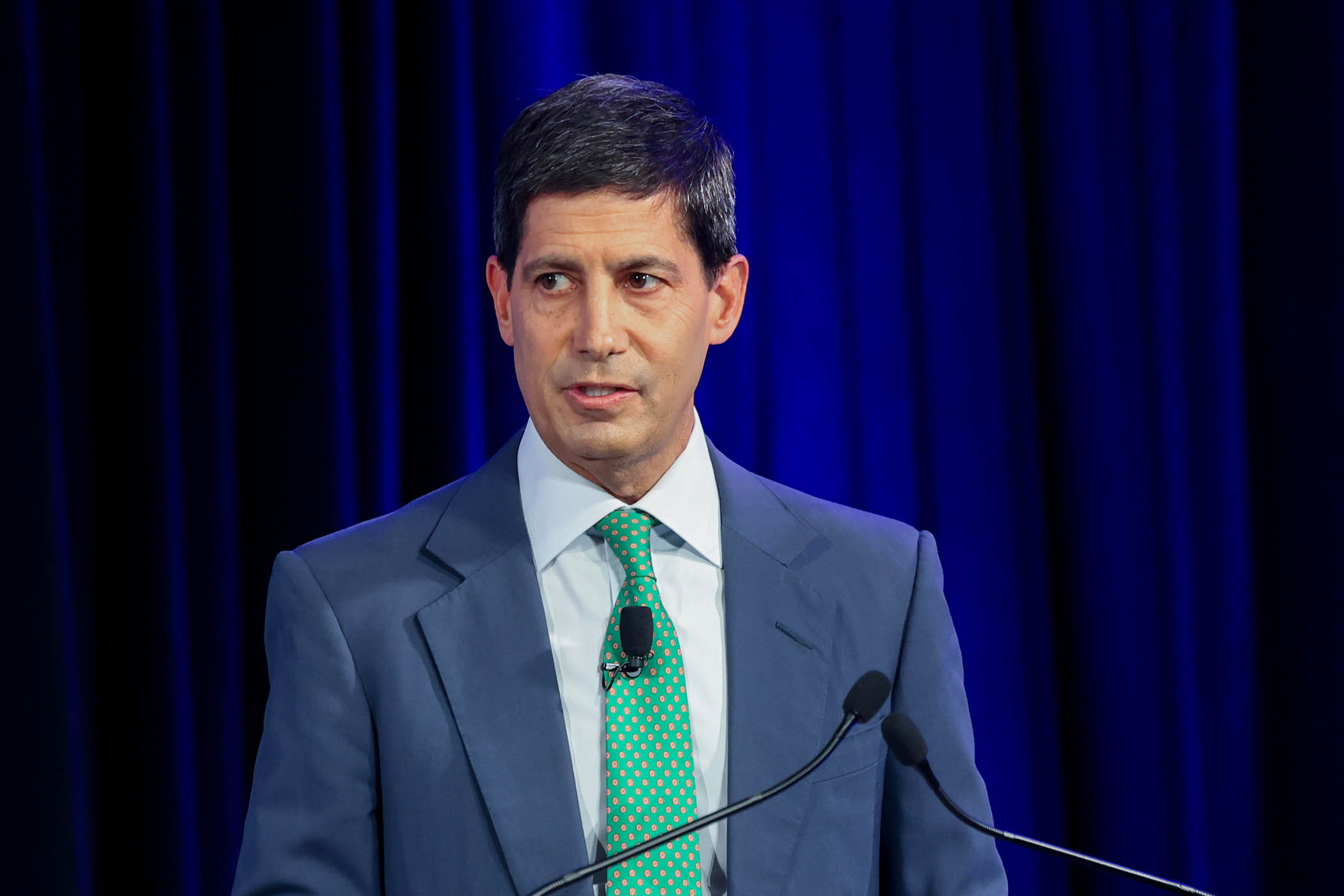
Photograph by Tierney L. Cross/Bloomberg via Getty Images
Newsletters
Choose the newsletters you want to receive
View more
For information about how The Observer protects your data, read our Privacy Policy