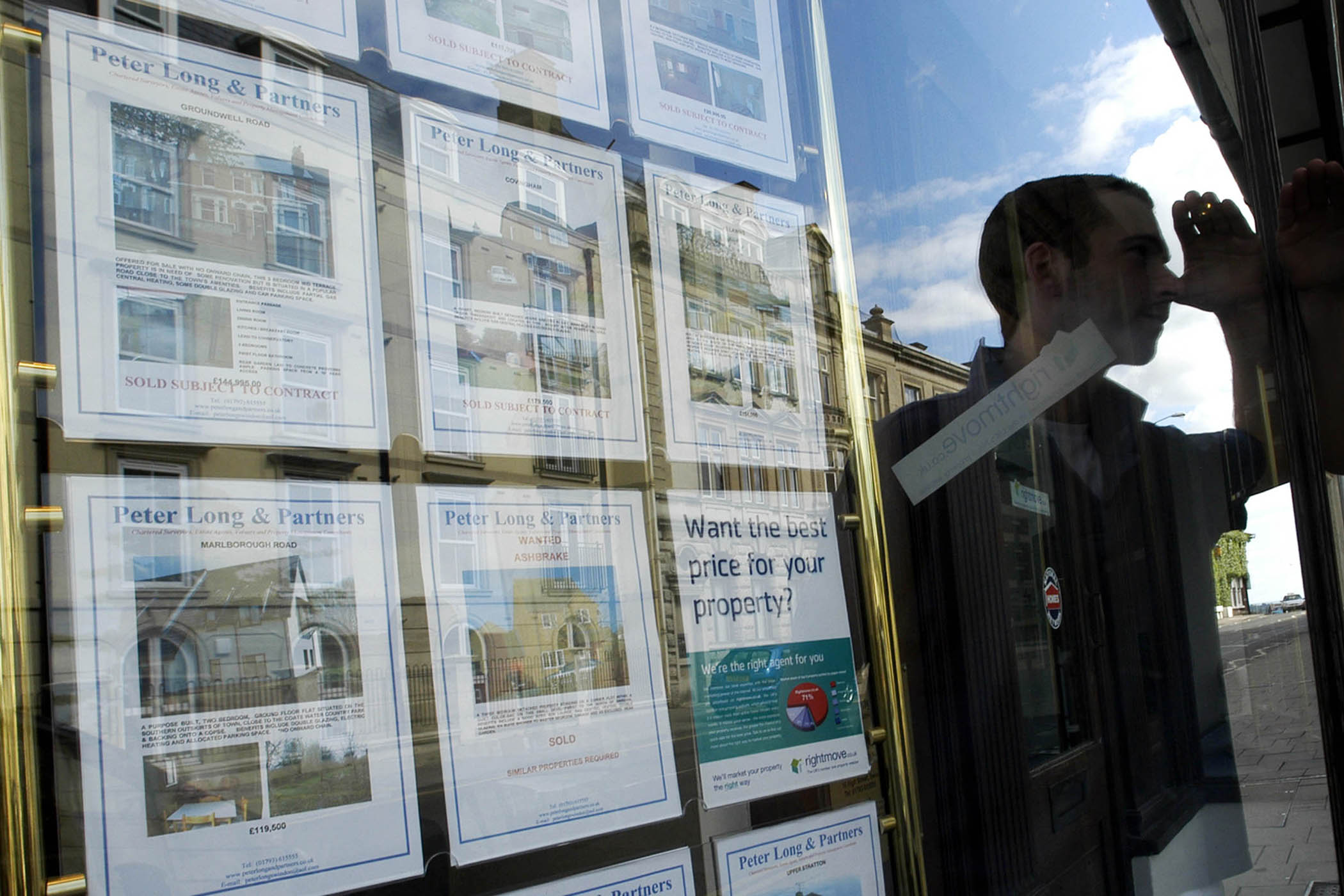

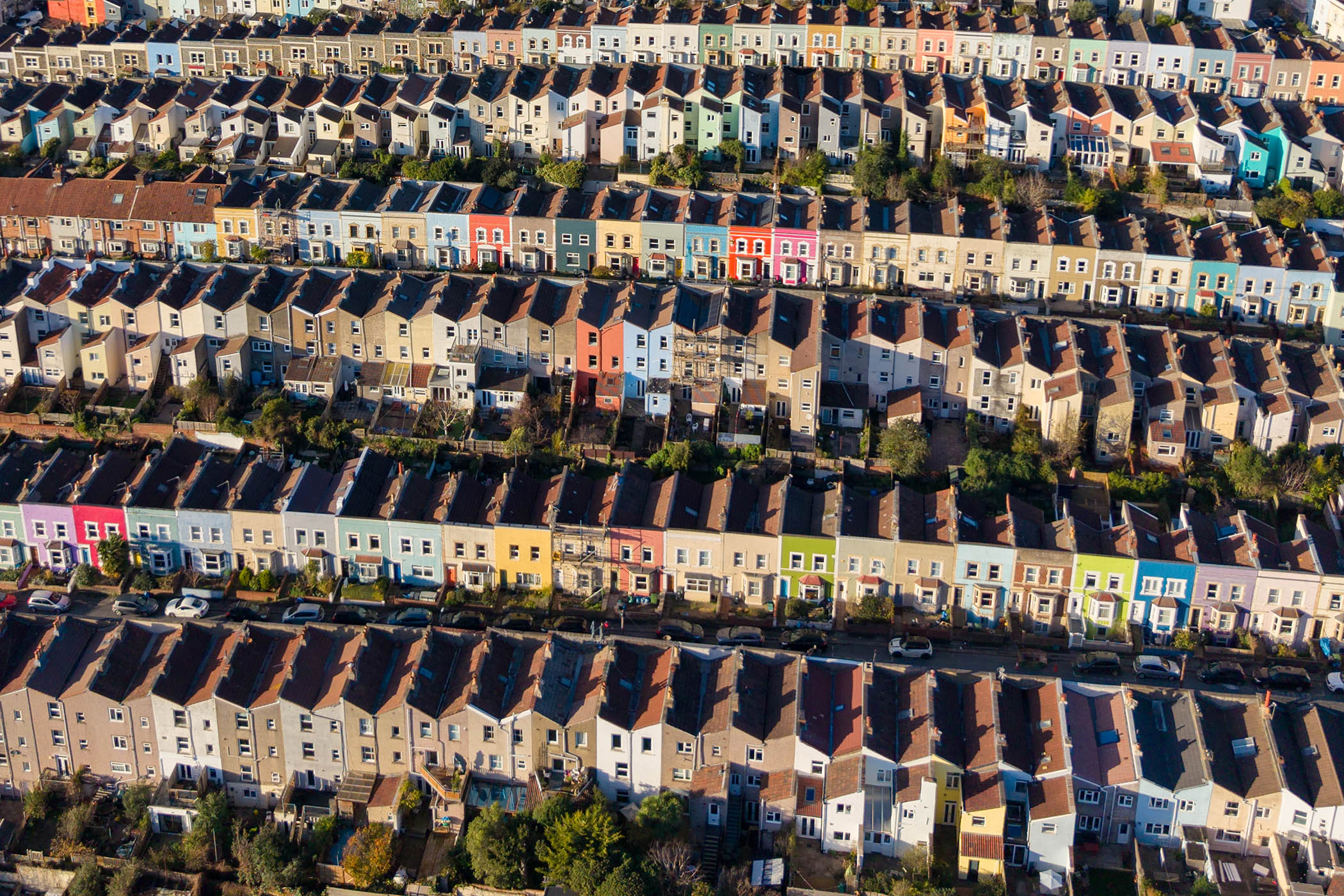

The British housing market has hit the buffers. The 50-year house price boom – kickstarted by Ted Heath’s relaxation of credit controls on banks in the early 1970s, turbo charged by the huge, misjudged financial deregulation of the 1980s and kept simmering by cheap money until the Ukraine war – has been stuttering for the last few years. Now, despite optimistic predictions by the pundit community at the start of the year, it is obviously and decisively over.
The principal author of this overdue correction is one Rachel Reeves. Whatever else is said about her ill-fated November budget, she had the chutzpah to follow through on the Tory policy of permitting the doubling of council tax on Britain’s half a million second homes with the introduction of four new council tax bands for all properties worth more than £2m – a year before the next general election. And she introduced a tax on landlords’ rental income.
A powerful whistle has been blown on the structures that have so unfairly enriched anyone born before 1970 who had the capacity to buy a house, a luck of birthday not shared by most born after 1995 unless they had the luck to have rich parents – the ever-more important bank of mum and dad. Over the last two generations, the ratio of the average house price to average earnings – a crucial measure of affordability – has trebled, so that home ownership for all but the richest first-time buyer is now a pipe dream. It takes 10 years of saving to raise the cash for a deposit on an average house, and the average age of a first-time buyer has risen to 34. Britain boasts among the most expensive property in the world.
We can thus be certain that this all-important affordability ratio will not treble again over the next two generations. House prices in Scotland, Wales, the north of England and the Midlands may catch up partially with those in the south – but across the market as a whole the best that can be expected is that average house prices will track wage inflation. More importantly, there is every chance their rate of increase may fall behind it.
For those not on the housing ladder, the plusses outweigh the minuses. Home ownership, an universal aspiration, comes into reach. Couples can buy earlier and start families sooner: high house prices are associated with lower birthrates. Renters, American research finds, tend to be less reliably hard-working than their home-owning peers compelled by their mortgage payments to be economically responsible. But for Britain’s 15 million homeowners house price drift and stagnation is mainly bad news. The closing of the gap with the south-east may be welcomed, but on the other hand their wealth is being eroded. If they want to realise their asset, it is harder to sell in a sliding, slowing market. They become less confident and spend less – economically depressive. Moreover, without turnover there is less geographical mobility and more physical entrapment. An optimal housing market is one offering much more affordable homes than today with prices spread evenly geographically and with lots of turnover – but avoiding a crash to get there. Is it possible in a British context?
A whistle has been blown on the structures that enriched those born before 1970
A whistle has been blown on the structures that enriched those born before 1970
Perhaps the current stasis heralds a saner housing universe. For what has been insane about the British residential property market is the way homes have been turned into chips for one-way bets by successive waves of financial deregulation and monetary engineering. Essentially, the British have been persuaded by easier availability of mortgages, with increasingly small downpayments and longer repayment terms, to take on and service ever-larger debts. And bid up house prices
After Heath came the second leg of the house price boom between 1981 and 1990, generated by Lady Thatcher’s decision to allow building societies to demutualise so they could lend as aggressively as banks. Then came a third leg between 1995 and the 2008/9 great financial crash as the growing impact of the EU single market stimulated the economy, and in consequence a growth in wages that made what had seemed gigantic mortgages more affordable. Over the fourth leg in the 2010s it was the injection of £875bn of cash into the banking system under quantitative easing ( coupled with dirt-cheap money) that encouraged otherwise stricken banks to carry on mortgage lending. It was a privatised and distortionary reflation mechanism to try to offset austerity – a backdoor stimulus of the economy. It took the edge off what would have been an even greater policy disaster, but the penalty was ongoing house price inflation.
So the hope now is that the combination of some targeted property taxation and a mortgage-lending industry more wary of over-lending to hard-pressed homeowners is going to change the equation – but without a house price crash. The market, to a degree, is underwritten by pent up demand; home ownership is well below the peaks reached in the early 2000s of over 70% – and would rise again in more propitious circumstances. The Bank of England will probably cut interest rates again next week, and the stock of mortgage debt has fallen by nearly a quarter over the last 15 years. So there are potential buyers out there to hold the market up.
On the other hand, the end of Pax Americana, loose talk of potential war with Russia, an economy barely growing, living standards that are scarcely increasing and the recognition that the house price earnings ratio is at a near 100-year high are hardly confidence-inducing. British residential property prices have reached a plateau. Unless there is some crisis, they are unlikely to plunge from their current levels, but dismiss any talk of a significant rise. The country is gradually learning that property is not a sure-fire, risk-free means to make easy money. Those halcyon days are over, and a saner property market is emerging. Fools’ gold is dead. A much surer avenue to wealth in future will be to invest in companies that create real value – tougher but more valuable all round. And homes, let’s hope, become homes again.
Photograph by David Rose/Bloomberg via Getty Images
Newsletters
Choose the newsletters you want to receive
View more
For information about how The Observer protects your data, read our Privacy Policy