
For hairdressers, it amounts to an “existential crisis”, says the British Hair Consortium. Hairdressing is no longer a popular calling: between 2015 and 2023 the numbers starting apprenticeships plummeted from 13,180 to 4,160.
Gen Z views hairdressing as a low-paid profession with long hours and bad conditions; salon owners now say it takes around 16 weeks to fill a vacancy. While in the 1980s and 1990s it was a solid “non-academic” pathway, now 16-18 year olds who are not bound for university have many more options – extensive training for one life-long job no longer looks like a safe bet.
And young people may be right to be wary, as the squeeze on new hairdressers is also coming from the other direction. Last year salons warned they were struggling to afford new apprentices anyway. The profession is rapidly going freelance – especially in poorer areas, a rising number of establishments are renting out chairs to independent stylists rather than employ permanent staff, making job choice even more precarious.
The Confederation of British Industry has said that by 2027 “there may be no new apprenticeships offered and direct employment could plummet by 93% by 2030”. One recent survey of salons finds only 8% plan to take on new staff.
The squeeze began with the pandemic, when salons closed for long periods. Around half are in debt from this time – collectively they owe £266m. Other effects linger too – since 2020, more people have been cutting their own hair, their confidence boosted by online tutorials. Soaring energy bills and rent are another problem, as is a hike in the minimum wage and changes to national insurance thresholds. Some 21% of salons are now operating at a loss. In 2023, some 752 individual sites and branches of larger chains closed.
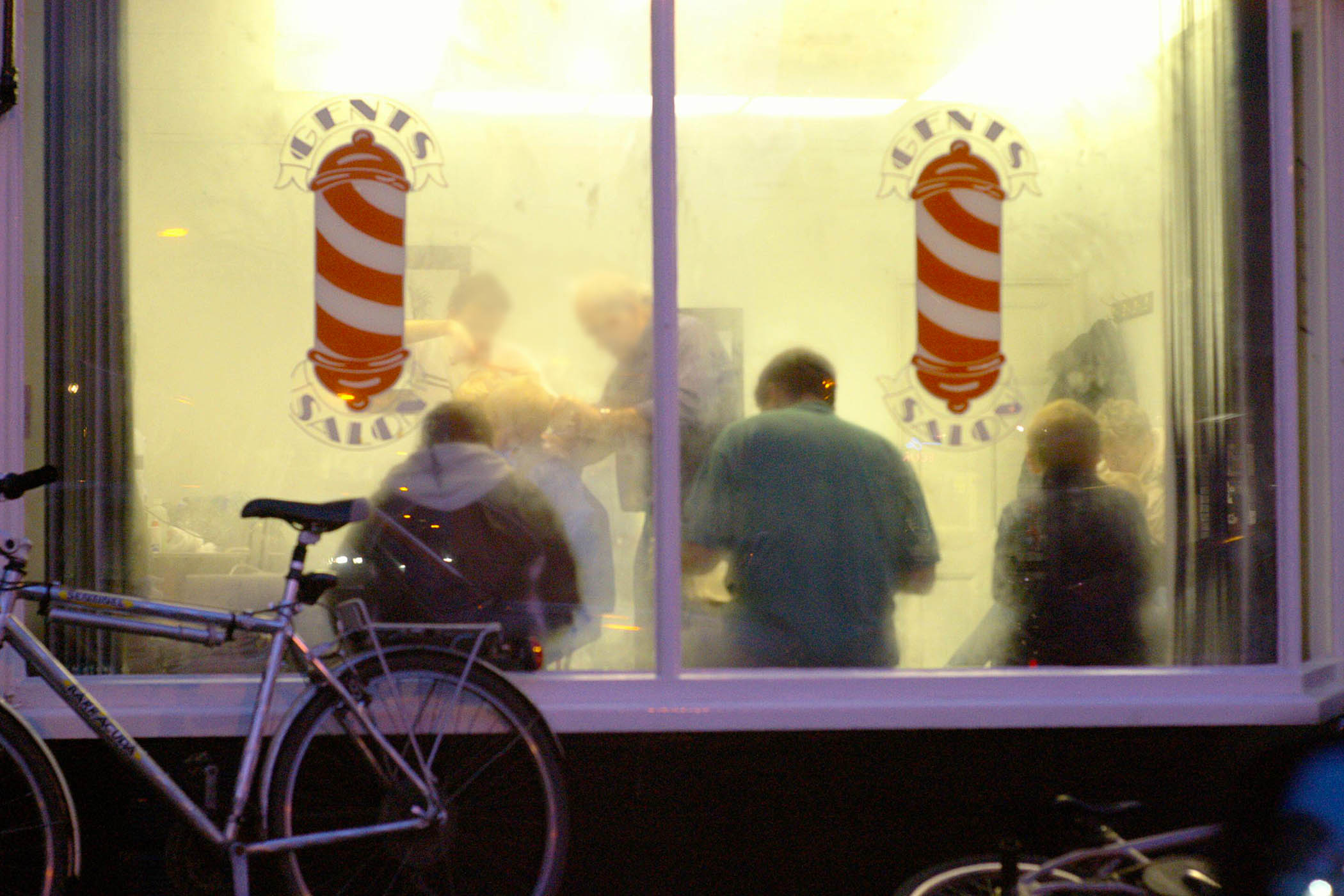
You might expect barbers to be in similar straits – they, too, have suffered through a pandemic, a cost of living crisis, and rising bills. They, too, see fewer young Brits in training. But instead quite the opposite is happening. Between 2018 and 2025, barber shop numbers rose by 50%, to 18,411. More than 750 new barbers opened in 2024 alone. In some areas they throng the streets in quite astonishing numbers. For example in Rochdale, a town with a population of less than 250,00 people in Greater Manchester, there are 90 of them in operation. In Porth, a former mining town in Wales with just 5,600 residents, there are six, which sit amid boarded-up shop fronts to either side.
Barbers seem to be defying not only trends in hair and beauty, but the decline of the high street itself. The idea of barber shops as newly thriving communities have inspired men’s health advocates. In some areas, such as Swindon, there are enterprises to train barbers to talk to their customers about mental health.
Explanations vary, some more convincing than others. A common one is an unprecedented boom in male vanity. Barbers, unlike hairdressers, are exclusively male. And it’s true that British men are investing more in beauty – to take one example, inquiries into beard transplants have reportedly tripled since 2020: some clinics now perform up to 100 a year.
Others make financial arguments: barbers are cheaper to set up and operate than hairdressers, and as men’s haircuts tend to be cheaper, they are less vulnerable to slumps in demand. Some economists regard the trend as the male equivalent of the “lipstick effect” – when times are tough people forgo luxury and treat themselves to small eye-catching goods instead.
Then, too, even if young Brits scorn the scissors, there is a ready supply of new barbers: a great many are Turkish immigrants. Turkish barbers have established a powerful brand in Britain, challenging existing establishments with their hot towels, cut-throat razors, ear-hair burning techniques, and seven-day-a-week work ethic.
Newsletters
Choose the newsletters you want to receive
View more
For information about how The Observer protects your data, read our Privacy Policy
But none of this seems quite enough to explain the extraordinary proliferation of barber shops: the average number per person has doubled in the past 10 years. Police have started to wonder if something else is going on.
Businesses that use mainly cash are ideal for laundering money. It’s hard for police to track how much of the profit is real
Businesses that use mainly cash are ideal for laundering money. It’s hard for police to track how much of the profit is real
“There is definitely money laundering happening,” says Stuart Hadley of the National Crime Agency (NCA). “Some barbers may only be laundering their own profits, from illegal tobacco on the side for example. But others we have reason to believe were founded primarily to launder money.” That would link them to large and serious criminal enterprises, everything from drug running to people trafficking.
It is difficult to say exactly how many new barber shops may be involved. NCA investigations have only just begun. But in April and November last year, they went on a series of coordinated raids on more than 2,700 “cash intensive” high street businesses, including nail bars, vape shops, and car washes, as well as barber shops. The November raid ended in 924 arrests.
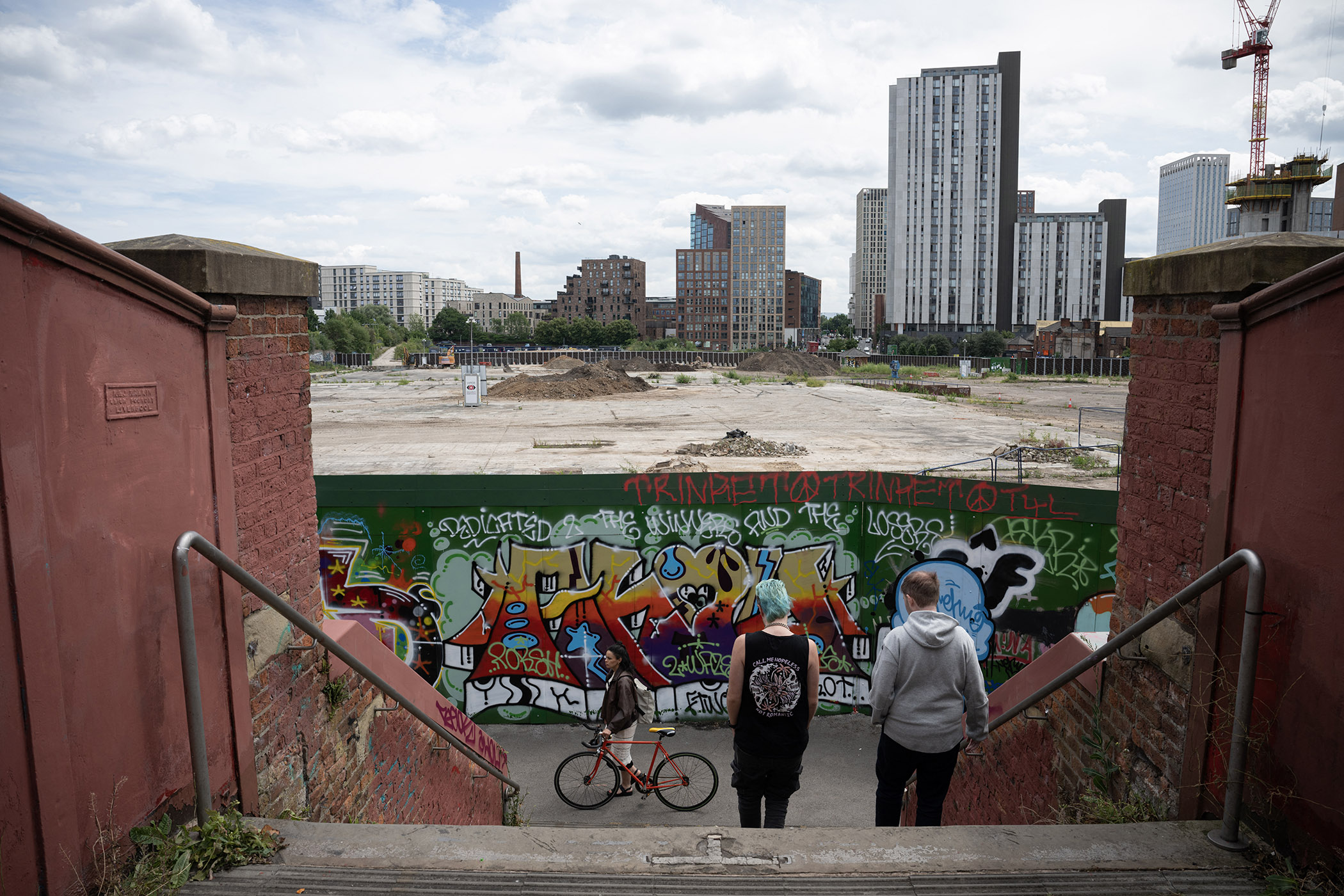
Businesses that use mainly cash are ideal for laundering money, as it’s hard for police to track how much of the profit is real. But while nail bars and car washes are long familiar to the authorities, criminal barber shops are newer. Hadley reckons the shift might be a result of cheaper access to premises. High street decline means there are plenty going spare.
The growing problem has attracted political attention: last spring, Robert Jenrick, the shadow justice secretary, railed against “weird Turkish barber shops” "chipping away” at the fabric of society. Yet, Hadley says, “there is no evidence that the people running these illegal operations – or indeed their victims – are from the Turkish community”. Then, too, Turkish barbers are successful, so many non-Turks brand themselves that way.
Gareth Penn, the chief executive of the Hair Council, which represents barbers, says illegal operators are nevertheless easy to spot. “They might not be recording the number of cuts they are doing And another thing to check is whether there are any clients. You’ll see them open at 9pm with no one in there, just one man on his phone.” He worries these enterprises are driving legitimate barbers out of business. Illegal barbers tend to offer cheaper haircuts – sometimes for as little as £7, around half of the usual rate.
Penn reckons a formal register for barbers would help – at present anyone can set themselves up and start cutting hair. But Hadley thinks this is unlikely to solve the underlying problem – hit a gang in one place and they will just pop up elsewhere. High street crime in general is a growing problem, he says, the number of venues involved are rising.
Meanwhile barber shops continue to boom – but are perhaps much less of a triumph than they may seem.
Photograph by Jonathan Eastland/Alamy