
Love them or loathe them, the royal family have a remarkable record of survival. Since the Restoration of 1660, the other crowned heads of Europe have been guillotined, shot, exiled, evicted or downsized. The British iteration of hereditary monarchy has swerved that fate while managing to endure the arrival of universal suffrage, the end of empire and the disintegration of deference.
Its impulse for self-preservation was evident in the response to Andrew Mountbatten-Windsor’s arrest on suspicion of misconduct in public office. “The law must take its course,” intoned a hand-washing statement from King Charles that failed to acknowledge that the accused is his younger brother. The monarch offered investigators “full and wholehearted support and co-operation”.
The strategy is to create a firebreak between the former Duke of York and the rest of the Windsors. It suits them just fine for everyone to boggle at that strikingimage of the fallen princeslumped, scared and wild-eyed, in the back seat of a car as he was driven away from police custody. Monarchists are supportively dismissing the notion that this is a full-fat constitutional crisis on the grounds that he has already been stripped of his titles and never had any prospect of occupying the throne. Legislation removing him from the line of succession would be purely symbolic. What makes the Windsors most nervous is the fear that Andrew will contaminate the family brand. The potential for that to happen has some republicans salivating that this could topple the entire edifice.
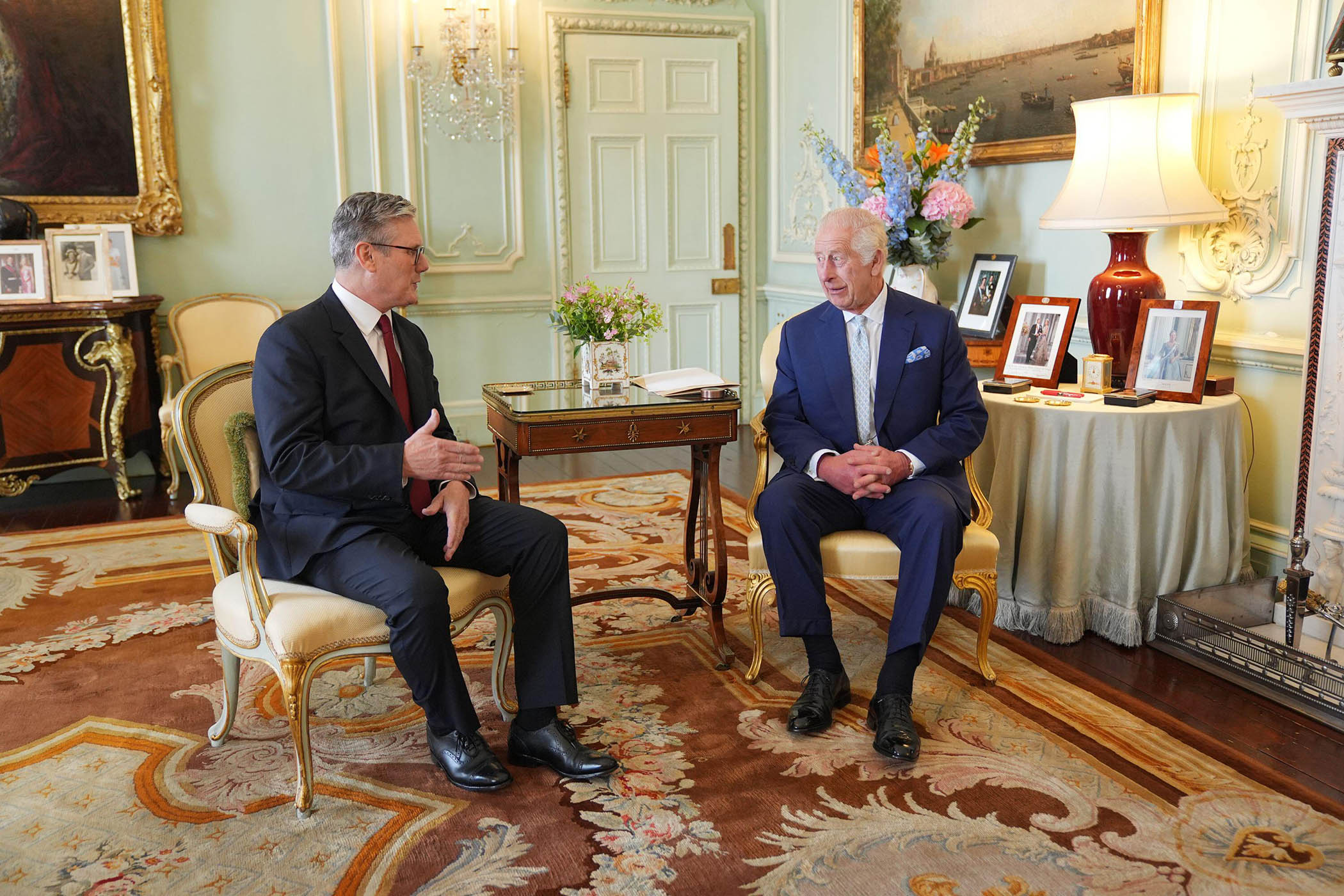
There will be more gruesome days to come for the Windsors, especially if the defrocked royal is put in the dock of a crown court. The reaction of the public will be shaped by the attitude of the government. Here there’s discouraging news for those who hope to hear the death rattle of monarchy. Sir Keir Starmer was a republican in his salad days as a radical human rights lawyer. He used to joke that it was “odd” becoming a QC when he had often proposed the abolition of the crown. But the eager roundhead had turned into a staunch royalist by the time he became Labour leader. His eloquent tribute to Elizabeth II after her death gave every impression of being heartfelt. At that year’s Labour conference, he led a minute’s silence and the singing of God Save the King. That passed off, to some surprise among cabinet ministers, without a single dissenting heckle. Labour collaborated with the effort to whisk through Charles’s accession to the throne, no pesky republican questions asked.
Before the arrest, Sir Keir got on the front foot, saying that Andrew should answer to the US congressional inquiry into the Epstein scandal and declaring that “nobody is above the law”. Since the arrest, Number 10 has been scrupulously discreet and instructed ministers to keep their traps shut. When the Commons returns on Monday, the speaker will likely remind MPs of the sub judice rule, which prevents them saying anything that might influence court proceedings. So don’t hold your breath for a great debate in the legislature about the legitimacy of hereditary entitlements. That’s fine for the radio talk shows, but not the mother of parliaments.
It would be unwise to assume that the ignominy of Andrew will lead to the implosion of the whole shebang
It would be unwise to assume that the ignominy of Andrew will lead to the implosion of the whole shebang
Yet debate there will be everywhere else. Assuming, as I do, that the prime minister will want to shore up the monarchy, there are templates to follow. Stanley Baldwin successfully managed the abdication crisis of 1936 and won a lot of praise for smoothing the transition from Edward VIII to George VI. John Major defused attacks on the monarchy during the late queen’s “annus horribilis” in 1992 by brokering a new financial settlement. Tony Blair played an important part, for which the Windsors gave him no thanks, in rescuing them from themselves by coaxing the family out of unpopular seclusion at Balmoral in the aftermath of Diana’s death in 1997. That the royals staggered through these emergencies and the many other crises that have peppered their history tells us something. It speaks to both the ruthless instinct to keep “The Firm” in business by adapting to public opinion and the willingness of politicians to help them do so.
The royals are nothing like as revered as they once were, but the monarchy as an institution still polls fairly well and a great deal better than any of Britain’s political parties. So republicans – and I write as someone who would prefer to be a citizen with an elected head of state rather than the subject of a birth-certificated one – would be unwise to assume that the ignominy of Andrew will ineluctably lead to the implosion of the whole shebang.
Where sceptics about royalty are more likely to prosper is by focusing on topics that trouble even some of our more devoted monarchists. One issue is the opacity with which the royals conduct a lot of their business. The public accounts committee has started scrutinising royal property leases, an investigation prompted by the revelation that the late queen’s second son paid a “peppercorn” rent on the 30-room Royal Lodge he used to occupy in Windsor Great Park. That ought to be allied to a broader, deeper and fully transparent interrogation of the royal finances, including the tax exemptions they enjoy. Among other mysteries, we still don’t know precisely how they rustled up the reported £12m settlement paid to Virginia Giuffre. The king and the Prince of Wales have questions to answer about the rich revenues they generate from the Duchies of Cornwall and Lancaster.
Why on earth was Andrew a “trade envoy” in the first place? “Air Miles Andy”, a nickname that no longer sounds so playful, had no obvious qualifications for the role, which was performed partly at the taxpayers’ expense and afforded him privileged access to government and business contacts around the world. MPs who wanted to question that appointment at the time were stymied because, by ancient and absurd tradition, the House of Commons has a self-denying ordinance on any mention, never mind debate, of members of the royal family. That forelock-tugging gag can and should be removed. It is time we had an uncringing national conversation about whether the scale, expense, secrets and constitutional functions of the current set up are appropriate for a 21st-century democracy. An evolution towards a more modest and accountable “bicycling monarchy” as seen elsewhere in northern Europe would gather a lot of support among MPs.
Photograph by PA Images/Alamy
Newsletters
Choose the newsletters you want to receive
View more
For information about how The Observer protects your data, read our Privacy Policy