Bin men don’t like human waste,” the nurse warned my friend Chloe. We were talking as her double mastectomy approached, and I’d started to make notes, first as a way of remembering all the details, and then to share here, a sort of portrait of an operation, with all its complex decisions, relationships, pains and magical thinking. In the weeks post-surgery she’d have to empty her “drains” into bags and return them to the hospital, which Chloe was concerned about. “I can’t have them building up like cans of Fosters everywhere, you know? Even Tracey Emin didn’t have stoma bag entrails beside her bed.”
Chloe was in her 20s when she first got breast cancer. She’s had annual mammograms in the two decades since, in which time her life has changed significantly. She had two children, her marriage has dissolved, she’s lost both her parents, her career has expanded. When they told her they’d found cancer again, a different type but, madly, in exactly the same place, she felt oddly calm. The women doing the biopsy at the breast unit were funny and kind, which meant when she was referred to a different hospital to discuss next steps, she arrived fairly merry.
But the new doctor barely looked at her. He rolled his eyes when she asked questions, and said she’d need a double mastectomy within a month, which would largely remove the risk of breast cancer returning but also bring psychological consequences. Chloe told me, “I walked in thinking I had a tiny bit of cancer tissue that needed dealing with. Now I think I’m dying.” She asked a friend to promise she’d help raise her children when she was gone.
She decided to pay a private surgeon for a second opinion. When her second set of scans came in, he said he couldn’t find the tumour, that it was “so small” they “probably took it out in the biopsy.” He said a mastectomy was too extreme, and that he’d biopsy another area of tissueinstead. For Chloe, there was a sense she’d woken up from a nightmare. I kept getting her to repeat what the doctor said in case we’d missed something.
A surgeon told her she had a 25–30% risk of developing another cancer. She thought, ‘I don’t want to do this all again’
A surgeon told her she had a 25–30% risk of developing another cancer. She thought, ‘I don’t want to do this all again’
Cancer death rates in the UK are at their lowest level on record, down 29% from their peak in 1989. Still, around 150 women are diagnosed with breast cancer every day. I found it hard to keep Chloe’s diagnosis, and then the rescinding of that diagnosis, clear in my mind. I had the same problem when my sister got leukemia in 2022. As the information changed and I tried to recalibrate my optimism, a certain fogginess set in. Was everything fine? Was anything ever?
In January the surgeon told Chloe that her “risk of developing a third cancer would sit at between 25 and 30%,” and her mood, having fluctuated over the past month, now seemed to settle at a place of thoughtful dolour. “I thought, I don’t want to do all this again.” While the mastectomy proposed in a state of emergency had felt terrifying and impossible, now, with more information, time and autonomy, it seemed suddenly essential. A psychologist assessed her, stressing that it would impact her relationship with her body, and yesterday she had a double mastectomy and reconstructive surgery. She gets to keep her nipples.
I picked her up from the hospital this morning, and she told me (my mouth gaping) things like, the way they call the empty breast “the glove”, and how she’d forced herself to “look the drains in the eye” as soon as she woke up. For a long time now, “my breasts have been dangerous,” she said. “I’ve been in trouble because of them. So I don’t have a deep connection to keeping this tissue that keeps mutating.” She’d woken to messages from so many friends that she felt, also, oddly elated. “It’s this weird thing where everybody who loves you feels like they can just... tell you?” Back at home, her friend Kate is making bread, and she’s settled on the sofa with her vile drains and some tea. “I feel like, even though I’ve had cancer twice, both times I’ve been incredibly lucky. And now I’ve got to do everything I can to just keep getting away with it.”
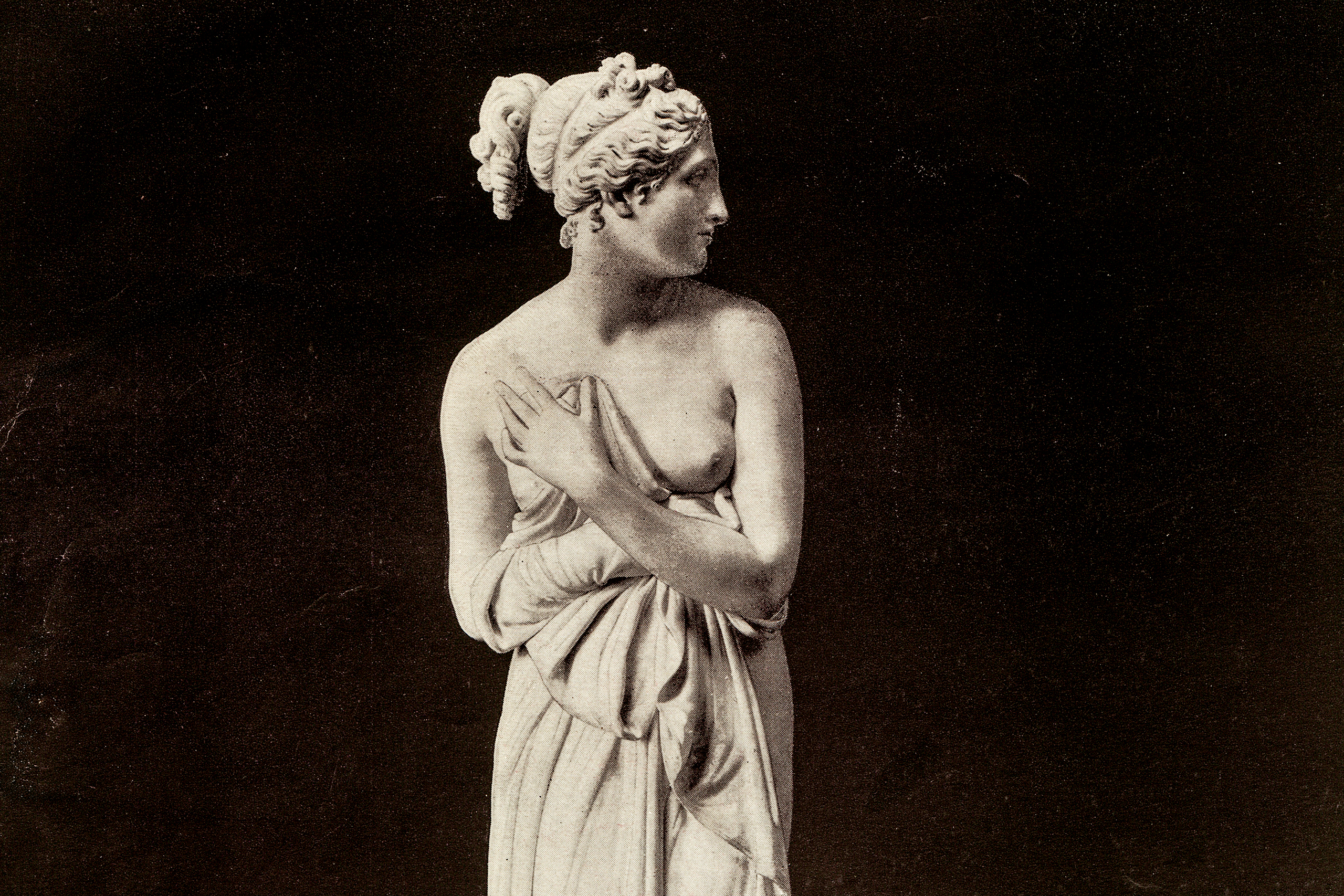
Image of Antonio Canova’s The Venus Italica via Getty Images
Newsletters
Choose the newsletters you want to receive
View more
For information about how The Observer protects your data, read our Privacy Policy