You’re dying, OK? Imagine you’re dying. The journey to this point, to this elevated bed with its white sheet and blue blanket, this window past which parakeets flit, this empty pressure of a cannula in your hand, has been long, gleeful, sordid, odd. And you know, you can feel that the end is near. Where there was previously pain there is now the saccharine hush of morphine, which makes you float up, up from your body towards the ceiling, from which height you can see your brother hunched in a chair, and the untouched jug of tepid water, hang on, isn’t that… Isn’t that Academy Award winner and fourth-highest paid actress in the world Nicole Kidman? And, why is she stroking my arm?
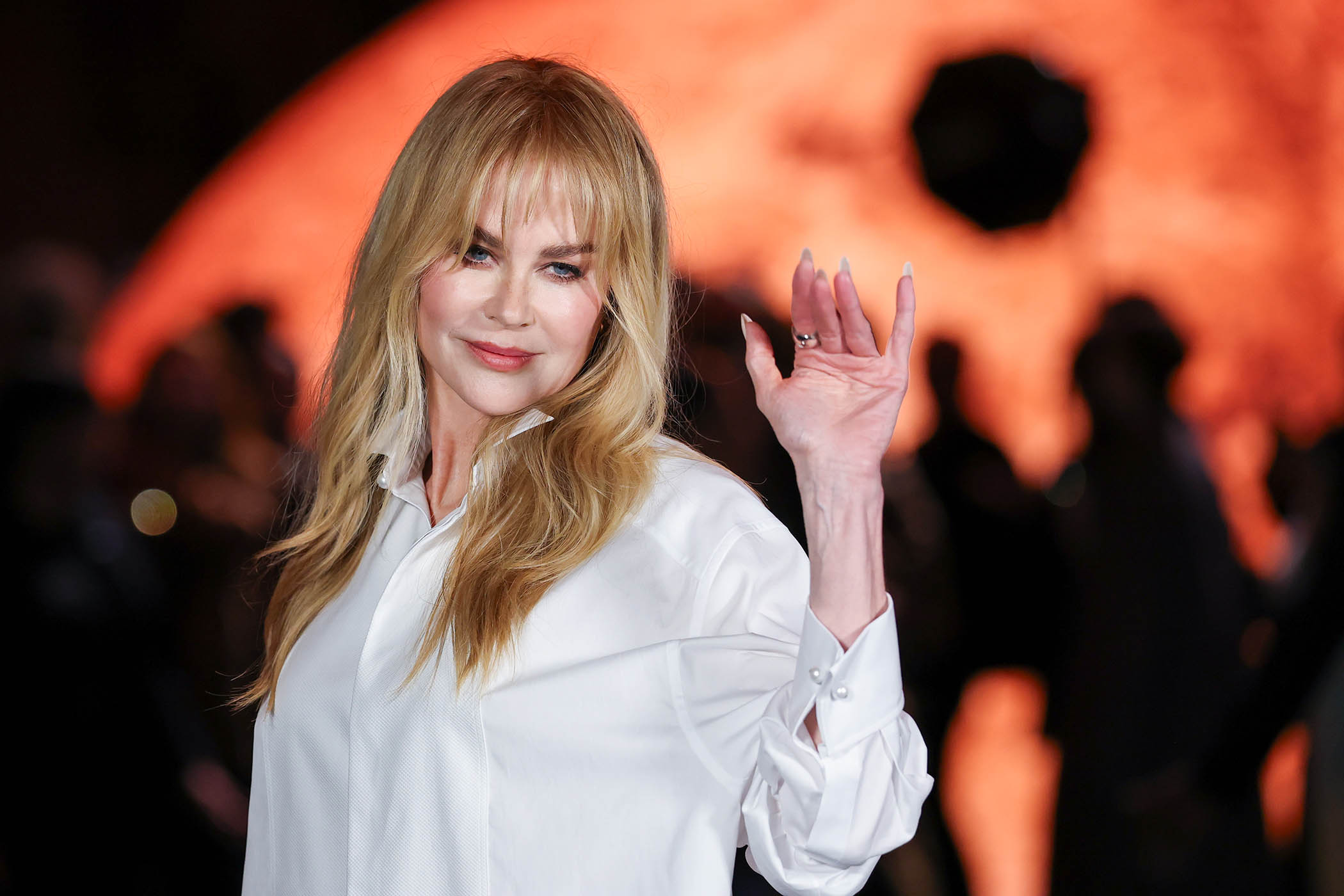
I’ll tell you why (as you emerge now from your imagining, come back, you have time!) In 2024, after her mother died, Nicole Kidman started training as a death doula. Death doulas are non-medical professionals who support people emotionally, physically, spiritually and practically through the dying process: they talk, they sit, they give massages, they make tea, they work to help the passing go smoothly. Doulas (from ancient Greek, meaning “woman who serves”) have most commonly described someone who helps during birth. A person’s needs in birth and death are not so different.
Since the pandemic, when many people were suddenly burdened by the reality of death, more of us have become aware of a need to confront the end. In her exquisite book, Death of an Ordinary Man, author Sarah Perry describes the days leading to her father-in-law’s death, wonder ing at doctors’ insensitivity: “no other occupation entailed acts of service that sometimes resembled love, all carried out with such an extraordinary asymmetry of power.” Doulas are employed to cushion that relationship, to fill gaps in a fractured healthcare system. It’s a lovely thing that everybody should have the opportunity to utilise.
To slip away holding the hand of a person you loved (in Moulin Rouge) would add some sparkle to the painful mundanity of death
To slip away holding the hand of a person you loved (in Moulin Rouge) would add some sparkle to the painful mundanity of death
And soon, maybe they will. Doula organisations have had a 40% rise in sign-ups, which include not just Nicole Kidman, but also Hamnet director Chloé Zhao, who found herself considering her fear of death while adapting Maggie O’Farrell’s novel. She’s just finished Level 1 training, researching how Indigenous cultures around the world have dealt with death and dying. “The grief of losing a loved one doesn’t change. However, the societal understanding of death and the space it gives to grief have shifted so much. In the modern world, when death is no longer seen as a natural part of life, because now it’s about staying alive as long as we can, there’s almost shame around death.”
Celebrities’ side hustles are getting creative, aren’t they? This particular career shift makes sense – emotions, including shame, fear and grief, are the currency of an artist. They might find themselves competing however, with a new influx of “after-life tech”, apps for navigating loss that (reported Wired) are expanding “among more ‘death-positive’ young people”. I aspire to “death positivity”, even if, as I say it out loud, it sounds as oxymoronic as the terms “sausage fragility” or “faecal optimism”.
The true benefit of a starry death doula, perhaps, is that rather than helping you find peace with the end of life, they might bring distraction from it. I’ve seen the reactions of teenage girls in Leicester Square when celebrities appear on the red carpet, I’ve heard their chickenish gasps. If glancing a star from 10m away can bring that level of glee and excitement, imagine what relief their presence might bring to a death bed. They could shift the focus, both from your body and from the matter in hand. “What’s Cher like?” you could ask. “How long does it take to do your hair? Can you do this with your lips?” To slip away holding the manicured hand of a person you loved (in Moulin Rouge and The Others) would not only add some sparkle to the painful mundanity of death, but also, surely, provide meaning when we need it most.
Image by Getty
Newsletters
Choose the newsletters you want to receive
View more
For information about how The Observer protects your data, read our Privacy Policy