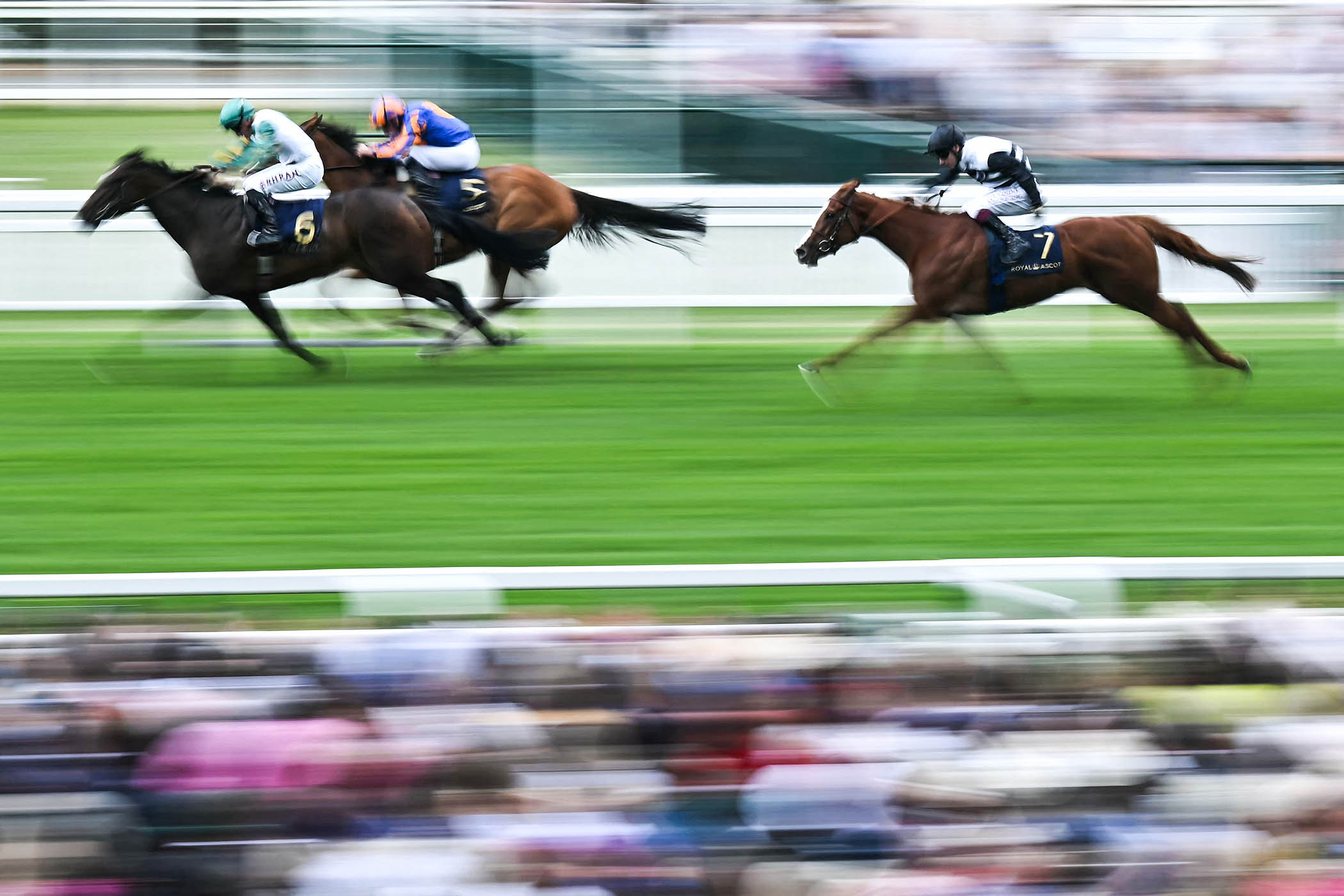


British culture owes a lot to horse racing. “Dark horse”, “neck and neck”, “frontrunner”, “down to the wire”, “hands down”, “also-ran”, “on your Tod” – its phrases pepper the language. Almost every English monarch since Henry VIII has raced them; Charles II even moved his entire court to Newmarket twice a year for the racing season. It is our second largest spectator sport, contributes about £4bn a year to the economy and still transfixes the nation at Royal Ascot and the Grand National every year.
But by almost every measure horse racing is dying. Many tracks have closed globally since the 1950s, there are fewer horses per race than ever before and the number of punters is dwindling by the year: in 2015, 6.13 million of us in the UK went to the races; now that figure hovers around the 5 million mark. Whether posh hobbyists or committed professionals, fewer people are bothering to breed horses too. Just 4,000 racing foals were born in Britain in 2024, compared with 6,250 20 years earlier. The trend extends even to our most ancient horse-breeding organisation: the royal family itself is cutting back. King Charles recently sold almost 60% of his mother’s horses at auction.
Climate change and the rising cost of a day at the races are among the reasons for the decline (flooded tracks are one problem, periods of drought another: young horses struggle to race when the ground is too hard). But an even bigger issue is that people are increasingly placing their bets elsewhere. Football and Formula 1 are ever more popular with gamblers; having a flutter on the gee-gees less so. While the sport’s annual turnover was £14bn in 2018-19, by 2023-24 it had fallen to £11.75bn.
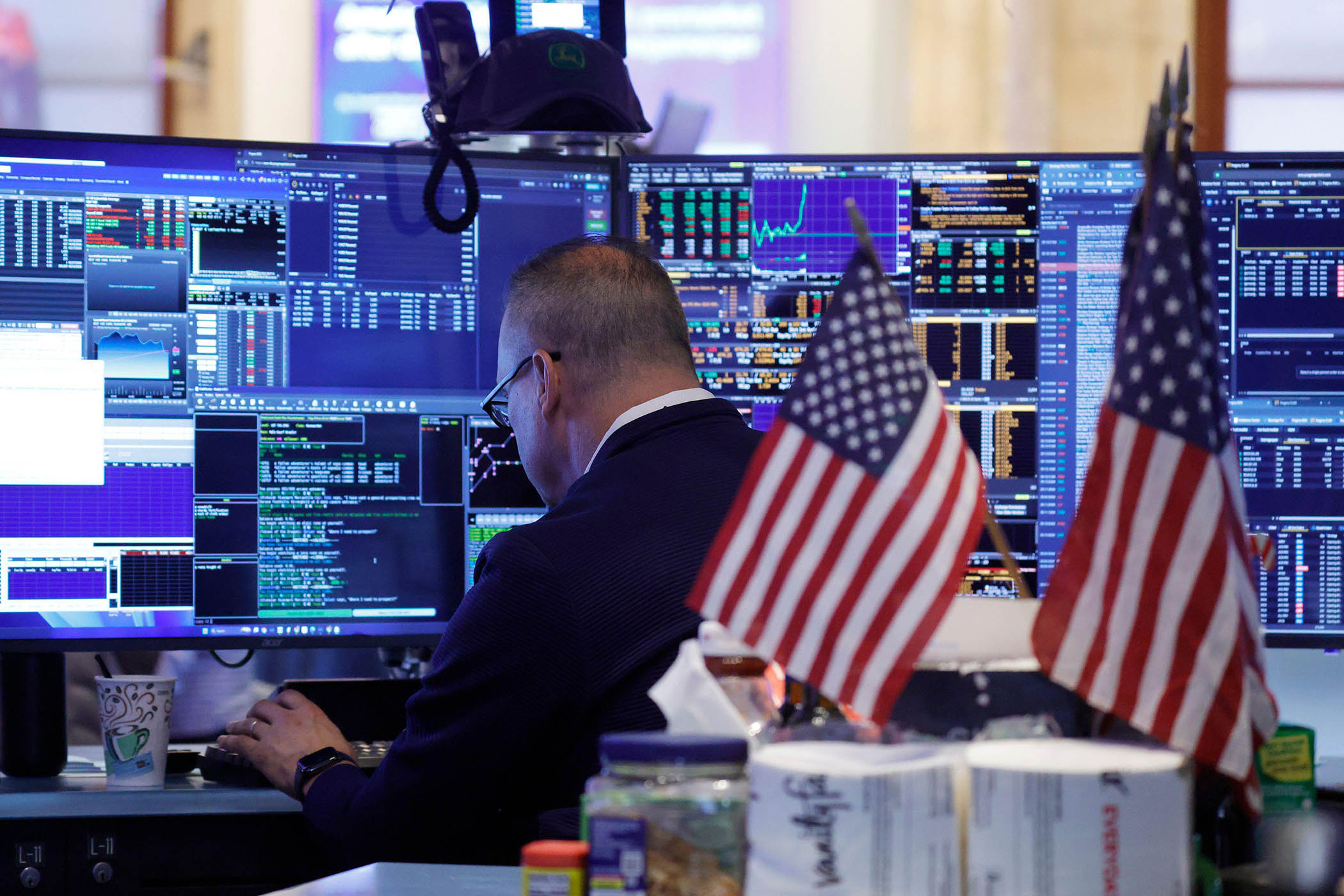
That’s bad news for horse racing because, unlike most other sports, it heavily relies on betting: it is funded in part directly by punters, in part by a tax on gambling as well as contributions from owners. But serious gamblers are also rapidly moving online, where it is easier to get your fix and stay anonymous, and where there is an endless variety of games, lotteries, novelty bets, fantasy leagues and sports from all over the world. Betting shops are one casualty of this growing trend – their number in Britain has fallen 30% since 2019 – and horse racing another.
These pressures are global, but we are doing particularly badly. The money that racing returns to the industry is four times higher in Australia than in the UK, and seven times higher in France. Britain has a great deal of cultural capital when it comes to the sport of kings: the modern thoroughbred can trace its lineage to three horses imported to Britain in the late 17th century. Cheltenham is an international phenomenon: coverage is broadcast in Africa, Latin America, the Caribbean, the US, Australia and much of Europe. So why are we falling behind?
The sport cannot be sustained by casual fans betting the odd £5. If the wealthy are going elsewhere, that’s a problem.
The sport cannot be sustained by casual fans betting the odd £5. If the wealthy are going elsewhere, that’s a problem.
The British Horseracing Authority (BHA), which oversees the sport, worries that well-meaning efforts to help people addicted to gambling are instead driving them into dangerous online markets, and wrecking UK horse racing in the process. “What we have seen in horse racing is a huge shift of consumers to non regulated black markets, largely as a consequence of interventions put in place by government,” says Brant Dunshea, its CEO.
One of these measures is “affordability checks”, a recent pilot scheme to stop problem gamblers, which involves asking people who lose more than £150 in a day to prove they can afford it. But the idea of having to turn in bank statements puts many people off, particularly the uber-wealthy. Horse racing occupies a niche in sports betting: it operates by attracting a group that is both rich and prepared to understand form, breeding and track conditions, and who wager large sums. The sport cannot be sustained by casual fans betting the odd £5. If the wealthy are going elsewhere, that’s a problem.
Another is our paltry prizes. In Britain, prize pots are tied to wagering – and are being outpaced by other nations as takings fall, making the whole thing less attractive to breeders. Last year’s Epsom Derby winner, Lambourn, won its owner £900,000; first prize in Britain’s other most prestigious race, the Grand National, was £500,000. Compare this with The Everest in Australia, which gave A$7m (£3.6m) for first place, or the Dubai World Cup, which doled out $6.9m (£5m). No wonder horses bred here are increasingly being sent abroad.
A further problem is that animal-loving Brits – always keen on animal welfare – may be growing a conscience. Racing is bad for horses: it pushes them to their limits, with intense training and the use of whips to make them run faster. In 2024, 221 animals died on the tracks; they either had heart attacks or were euthanised after breaking bones. It was a bad year – but not a stand-out one. In 2023, 175 died, and 220 the year before. However, that’s not the full casualty list: it doesn’t account for those that die in training.
There has been a small recent uptick in attendance, which increased by 5% last year. But reversing the fortunes of this sport will be hard. One route is to offer bigger rewards, either by directing more money from the betting levy into prizes, or finding cash elsewhere, perhaps using the money generated from selling media rights to broadcasters. Dunshea wants to expand a mingled “world pool” for prize money, involving all racing nations – something the richer ones may be reluctant to do. The BHA is also keen to emphasise that animal welfare is improving: there are now stricter whip rules, padded hurdles and stringent pre-race medical inspections for horses. But safety can only be improved so far: every year they race, more animals will die. A former CEO of the BHA once fretted that horse racing would go the way of fox hunting. Vigorous anti-cruelty campaigns eventually killed that other “sport of kings”. Could horse racing be next?
•
This article has been amended since publication. An earlier version stated incorrectly that injured horses were shot, rather than euthanised by injection, after breaking bones.
Newsletters
Choose the newsletters you want to receive
View more
For information about how The Observer protects your data, read our Privacy Policy
Photograph by Ben Stansall/AFP via Getty Images