

Everyone has their ghost places: the long-gone venues, with traces in brick or grass of what they were before the housing estate or retail park descended, and the club that lived there moved or died.
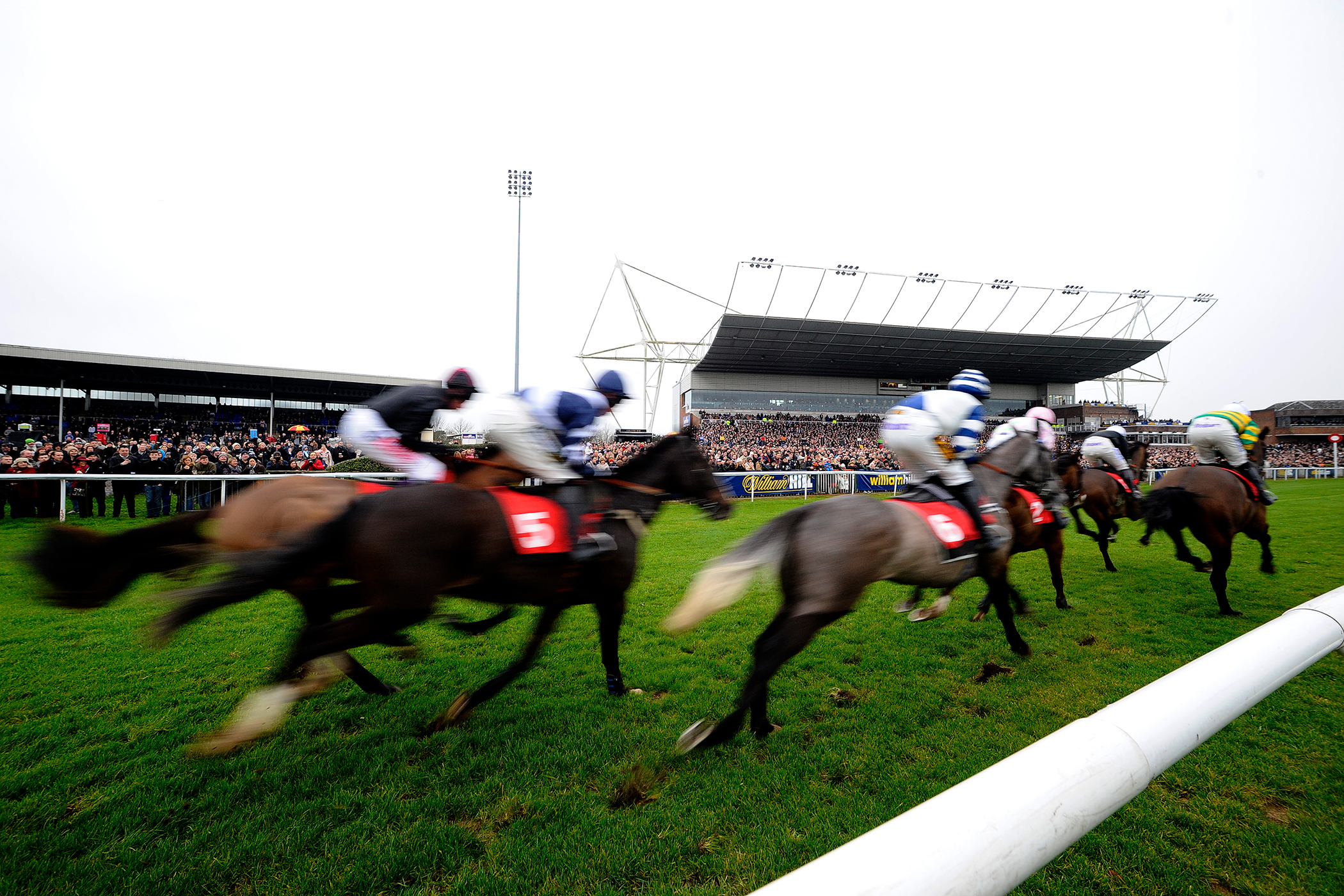
Britain is known for its pretty racecourses. In a beauty contest, Kempton Park, in the sprawl between south-west London and Surrey, wouldn’t make the top 50 – and there are only 59 tracks. But its potential disappearance under 550 Redrow homes has prompted a cri de coeur in racing, a sport hyper-alert to threat.
The 2017 deal that gives Redrow the right to build at the home of Boxing Day’s King George VI chase isn’t a straightforward case of cynical sell-off or developer ram-raid. Its owners, the Jockey Club, invest their revenues back into racing and may use the proceeds to build an all-weather floodlit track in Newmarket.
The objections to shedding another “London” course decades after Alexandra Palace and Hurst Park shut down aren’t rooted in aesthetics. The main one is technical. Kempton is a flat track with good ground and first-class drainage. It’s a jump-racing trainer’s heaven. Nicky Henderson, the doyen of that trade, leads the resistance to the King George being rehomed at Sandown Park or Ascot.
But there’s also the unspoken visceral attachment that makes people fearful of losing places they associate with permanence and ritual.
Who, with a love of sport, has not been drawn to a vanished venue, however small; not heard the echoes of the life it had before. Traces of buildings, remnants of terracing and overgrown outlines of the battleground resonate – even if the new place that replaced it is bigger and better.
No Manchester City fan of a certain age, for example, could revisit the scene of the old Maine Road ground and not have their senses flooded by memories of Colin Bell, Francis Lee and Mike Summerbee; or by the rawness of terrace life before football was commodified.
As for starting a conversation about the Boleyn Ground (aka Upton Park) with West Ham fans trudging to the London Stadium, with its Olympic vibe… don’t even go there.
A touching memento of City’s former self is the centre circle preserved in turf in the middle of 474 homes, built after the club relocated to the Commonwealth Games Stadium, now the Etihad, in 2003.
In the tide of action at the Emirates, Highbury, perhaps the quintessential English ground, features rarely now in the conversations of Arsenal fans. Only when you look at photos of the 650 flats and communal gardens that Highbury has become does nostalgia for an architectural masterpiece flood back in.
Newsletters
Choose the newsletters you want to receive
View more
For information about how The Observer protects your data, read our Privacy Policy
Kempton’s defenders are in no mood to hear that ghost places are eternal in memory
Kempton’s defenders are in no mood to hear that ghost places are eternal in memory
Stadiums now are machines for playing in: entertainment complexes. Even the acknowledgements they make to the past are performance-driven as much as nostalgic. The “Spursification” of the Tottenham Hotspur stadium was meant to strengthen the club’s bond with its past and send a message about tradition to incoming players.
Across the UK since the second world war, many racecourses have been swallowed up by development. The darts mecca of Alexandra Palace was once a teeming track (1868-1970) nicknamed “The Frying Pan” and just as slippery when rain greased the circular loop of its turf. Traces of the course are still visible.
Further south near Hampton Court, Hurst Park (1890-1962) featured in Charles Dickens’s Nicholas Nickleby as a hotbed of swindling, drinking and gambling. Its owners cashed in on its real estate value. Gatwick (1891-1950) was obliterated by having an airport built on top of it. Birmingham was another casualty of house building in the 1960s – a kind of Dr Beeching decade for racing.
Historically then, Kempton’s demise for a £100m gain would be easily placed in the context not only of a housing shortage but the need for racing to repair its funding. The sport fought off betting tax rises in the November budget. Declinism though has become its mother tongue as dire warnings about profile-slippage multiply.
Kempton’s reinvention as a housing estate is widely expected, but complications remain. Redrow are still studying its “viability”. The local authority is not planning for it and call the site a “strongly performing” green belt space. The scheme could protect the racecourse. Yet, many in the sport are already preparing its obituary.
There is anger among professionals that Redrow’s 12-year option was not explained (racing thought the threat had gone away). Closing Kempton they say would transfer opportunity unfairly from the jumps to the wealthier Flat racing industry in Newmarket.
The King George has been won by Arkle (once), Desert Orchid (four times) and Kauto Star (five times). It’s steeplechasing’s pre-Cheltenham Festival, synonymous with the actual track, the pace and shape of the contest. There’s more to it than a six-minute race run once a year.
Many argue that, like the Masters or the Derby, it can’t simply be picked up and dropped somewhere else. “Kempton dies, the King George dies,” Matt Chapman, the ITV Racing pundit, has said. “Bury it under the houses.” Kempton’s defenders are in no mood to hear that ghost places are eternal in feeling and memory.
Photograph by Alan Crowhurst/Getty Images