
Humans, Danny Kruger insists, “are born greedy, narcissistic and violent”. “Left entirely to ourselves,” he believes, “individuals will exploit, slack off, rent-seek, and cheat.” The job of society is “to teach us to temper these impulses” and to inculcate virtues such as “courage, temperance, fortitude, creativity, compassion and shrewdness”.
Kruger became, last September, the first sitting Tory MP to join Reform UK. He is now charged with making party policy fit for a prospective Reform government.
The defection of Robert Jenrick to Reform has excited much media coverage. It may be, though, the earlier decamping of Kruger that proves, as Tory grandee and Times columnist Danny Finkelstein recently noted, more significant in shaping the “realignment of the right”, and in particular in answering the question: “What is the right being realigned to?”
Kruger, once chief speechwriter for David Cameron (and responsible for his “hug a hoodie” speech) has become a significant voice in the emergent “New Right”: the challenge to mainstream conservatism posed by movements such as Maga in the USA, parties like Reform UK, and many reactionary and far-right groups in Europe.
All despise liberalism and seek to restore more cohesive societies. For Kruger, this requires the establishment (or, rather, the re-establishment) of a “social covenant”: the web of relationships rooted in mutual obligations that emerges from one’s place in the family, community and nation, and that, in Kruger’s account, was dissolved by modernity and Enlightenment rationalism. “The yearning for a more just, more free, more meaningful and moral society is a yearning for the past”, he writes, and “at heart the new Jerusalem is a reflection of the old one”.
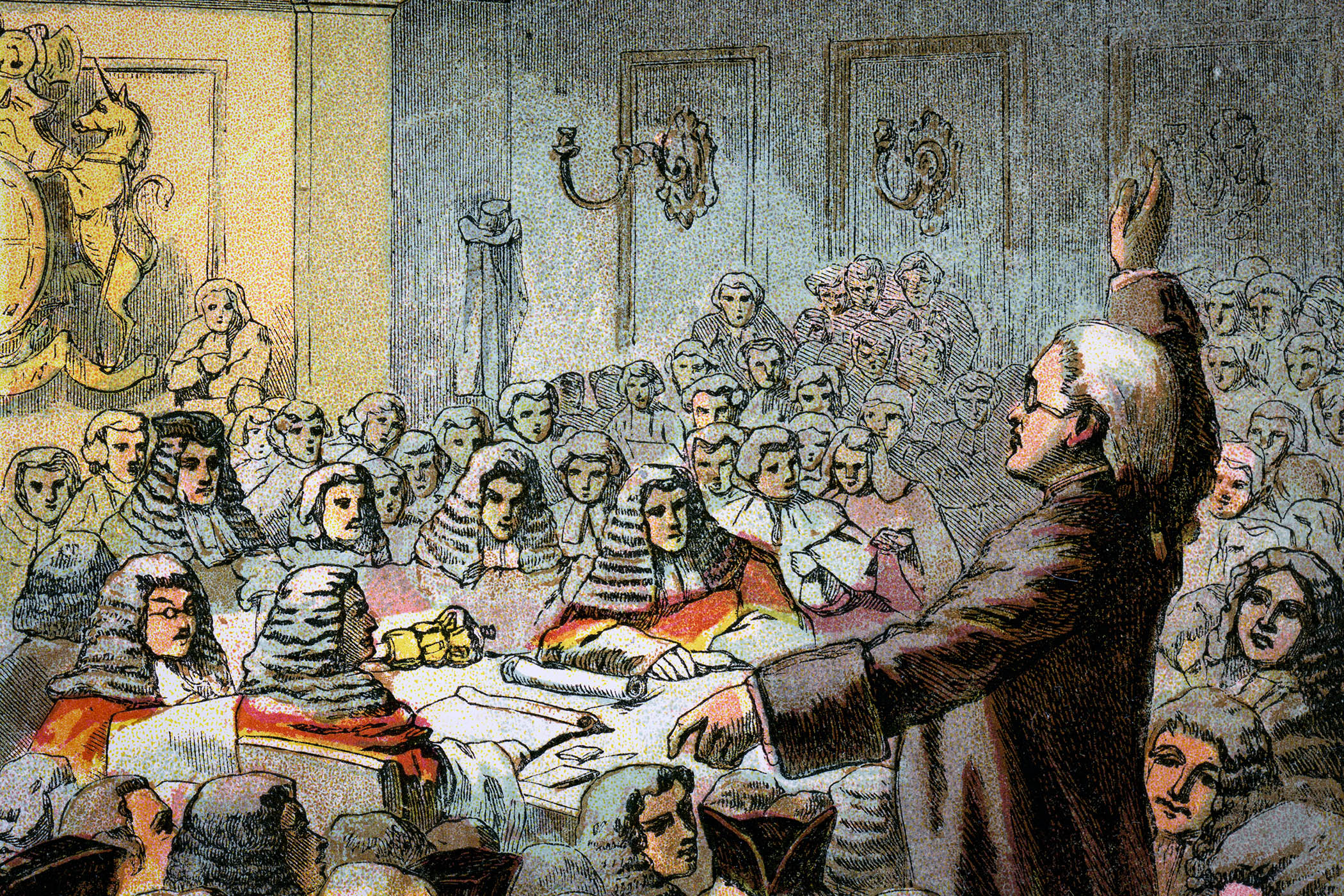
It is a social vision that harks back to Edmund Burke, the founder of modern conservatism. For Burke, a community embodied “an idea of continuity, which extends in time as well as in numbers and in space”, and values were defined more by place and tradition than by reason and necessity.
Kruger, like many religiously grounded conservatives, talks of “love” as the force that binds society together and of the “common good” as the goal of policy. Yet, as one of his philosophical heroes, the late Roger Scruton, acknowledged, a Burkean community is founded in abhorrence as much as in love. “The real price of community”, Scruton argued, “is intolerance, exclusion” and “vigilance against the enemy”. All of which can be observed in recent debates about migrants and Muslims, in demands for mass deportations, and in the questioning of whether someone like Rishi Sunak can be truly British.
Similarly, in discussions of the “common good”, the “good” is often defined through a restricted notion of the “common”. When Aristotle wrote of the common good, he excluded the concerns of women, manual labourers and slaves. In early modern England, Catholics were seen as outside the moral community, Jews even more so. Today, migrants and Muslims often play a similar role as the people against whom the moral community is defined.
The idea of the common good is also about taming class conflict and ensuring the lower orders know their station in life. A “hairdresser or… a working tallow-chandler”, Burke wrote, “ought not to suffer oppression from the state; but the state suffers oppression if the likes of them, either individually or collectively, are permitted to rule”.
Acknowledging the wisdom of the past should not lead us to seek refuge there
Acknowledging the wisdom of the past should not lead us to seek refuge there
Society has become far more democratic and inclusive since Burke’s time, but that Burkean sneer endures – among liberals as much as conservatives, and, despite the oft-made claim to be defenders of working-class interests, on the New Right, too. So, for Patrick Deneen, an influential American “post-liberal” with the ear of the Trump administration, “ordinary people” are “not sufficiently capable or disposed to govern themselves or others well”. What is needed, he argues, is a new elite capable– unlike now – of inculcating the lower orders with an “understanding of what constitutes their own good”.
Newsletters
Choose the newsletters you want to receive
View more
For information about how The Observer protects your data, read our Privacy Policy
Such condescension makes the New Right amenable to working-class people who are “obedient” (a favourite virtue of Kruger, Deneen and Scruton) but hostile to organised working-class action. Kruger, like other Reform MPs, has consistently voted against restoring even basic trade union rights.
Conservative critics of liberalism are right to recognise the significance of communities and the ways in which social bonds have frayed. But their restricted, tradition-bound notion of community and solidarity leads only to reactionary views of humans and of society.
Humans are no more “born greedy, narcissistic and violent” than they are born selfless and noble. We are not blank slates but have many, sometimes contradictory, dispositions, one of which is our propensity to be social creatures. How we nurture that propensity is not a given.
We can imagine communities and collectives in terms not simply of tradition but also of transformation. From trade unions to the Suffragettes, from civil rights campaigns to national liberation struggles, movements for social transformation have defined themselves not just by a sense of a shared past but also by hopes of a transformed future. The very existence of such movements remodels our understanding of both the past and the present. “Britain” means something different if viewed primarily in terms of what we want it to be, rather than of what it has been.
It is the decay of movements for collective social change that has led people to think about communities purely in Burkean terms, opening the way for more reactionary politics. The Jerusalem in the rear-view mirror is a mirage. Acknowledging the wisdom of the past should not lead us to seek refuge there, nor obscure the need to build Jerusalem anew.
Photograph by The Print Collector/Getty Images