

This article first appeared as part of the Daily Sensemaker newsletter – one story a day to make sense of the world. To receive it in your inbox, featuring content exclusive to the newsletter, sign up for free here.
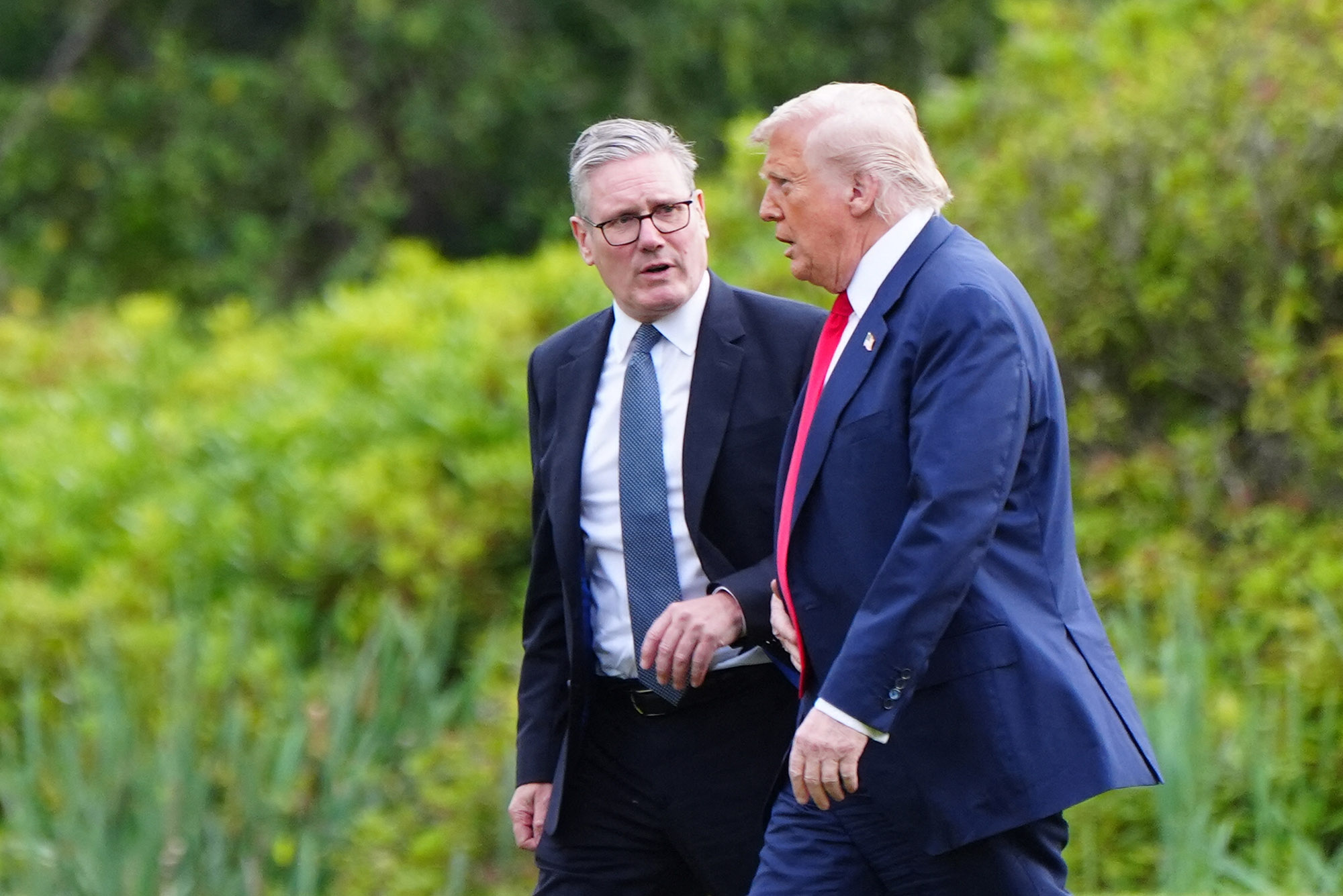
Donald Trump has mocked the UK’s preparations to send warships to the Middle East, accusing Keir Starmer of trying to “join wars after we’ve already won”, even though Israeli and US strikes continue against Iran and the regime remains in place.
So what? Starmer spent much of last year trying to charm Trump. He is now a punching bag of the US president, who is furious that American jets weren’t allowed to use British bases for the initial attacks on Iran. But this could work to the prime minister’s advantage, since it
•
has gone down well with his backbenchers;
•
puts him in step with the public and European opinion; and
•
is unlikely to do lasting damage to the so-called special relationship.
Cosying up. Last year Starmer was one of several leaders who auditioned for the role of Trump-whisperer. Criticism was muted, ideological disagreements were shelved and there was a lavish state visit during which the leaders showered each other with praise.
Initially, the approach paid off. The UK dodged the worst of Trump’s tariffs and secured investments worth tens of billions of pounds from American tech firms. There was also a deal to build nuclear power stations and deepen AI collaboration.
But now, a few months on, this agreement has not been signed and Trump has taken to regularly admonishing the UK. This includes
•
comparing the prime minister unfavourably to Winston Churchill;
•
threatening to sanction Britain for opposing his attempts to annex Greenland; and
•
describing the move to cede control of the Chagos Islands as “an act of great stupidity”.
Taking a stand. Starmer’s position is that any support for the first wave of strikes on Iran would have been a breach of international law, since there was no clear evidence that the regime posed an immediate threat. Yvette Cooper, the foreign secretary, said yesterday that it was the government’s job “to decide what’s in the UK national interest”. That, she said, “doesn’t mean simply agreeing with other countries or outsourcing our foreign policy to other countries”.
Making a shift. Since the initial attacks, Starmer has allowed American bombers to use British military bases for “defensive” operations after Iran retaliated by attacking its neighbours. HMS Dragon, an air-defence destroyer, is being sent to the Mediterranean following a drone strike on RAF Akrotiri in Cyprus. HMS Prince of Wales, one of the Royal Navy’s two aircraft carriers, is also being readied for a possible deployment to the region.
Still unhappy. This has not appeased Trump, who posted on social media that “we don’t need [the Brits] any longer”. There has been criticism at home as well. Kemi Badenoch claimed that Starmer was “too scared” to join the strikes and Tony Blair, who followed the US into Iraq, said that the prime minister “should have backed America from the very beginning”.
Balanced approach. But Starmer’s position is popular. Only 6% of Britons agree with Badenoch while 42% support using British bases for defence, according to an Opinium poll for The Observer. The prime minister’s approval rating, although poor, has risen by seven points.
Rally around the flag. Some MPs are calling this Starmer’s “Love Actually moment”, a reference to the noughties romcom in which Hugh Grant plays a prime minister who stands up to an overbearing US president. Certainly, following the Gorton and Denton by-election, and with crucial local elections on the way, the prime minister’s position on Iran has given him a boost.
Short memories. Kim Darroch, the former UK ambassador to Washington, doesn’t think the breakdown in relations is terminal. “Everyone falls out with Trump eventually, but you can patch it up,” he said. “The key thing is not to get involved in a transatlantic slanging match.” This patch-up operation appears to be in motion, with Starmer and Trump speaking on Sunday.
And yet, the spat should convince Labour of the merits of deepening Britain’s real special relationship. Not with the US, but with Europe.
Newsletters
Choose the newsletters you want to receive
View more
For information about how The Observer protects your data, read our Privacy Policy